From Kraków to Century Media: Europe's Metal Machine Keeps Turning This Week
There's a particular kind of chill that runs through a metal fan when a European city becomes the backdrop for something bigger than a regular tour stop. This week it's Kraków, Poland, where Till Lindemann filmed a live set for his upcoming concert film last December. The freshly unveiled "Übers Meer" live video is the first real glimpse of that footage, and it's a reminder that Central and Eastern Europe have quietly become some of the most important stages in the entire European metal scene — not just tour dates to fill between Berlin and London, but destinations bands choose to immortalize on film.
Poland's metal infrastructure has been building toward this for years. Between festival culture, a rabid extreme metal fanbase, and venues that can handle arena-scale production, it's no accident that a project as visually ambitious as Lindemann's concert film found its home there. For a region that sometimes gets treated as an afterthought behind Germany, Scandinavia, and the UK, this is exactly the kind of story worth flagging: the center of gravity for European metal spectacle keeps shifting, and it's shifting east as much as anywhere.
Dark Funeral and the Weight of a Live Album
Sweden's Dark Funeral dropped their new live album "A Beast To Praise" via Century Media today, alongside a live video for "Nail Them To The Cross." Century Media itself deserves a mention here — the label has been a backbone of the European extreme metal export machine since the early '90s, and a legacy black metal act choosing to document a live show through them in 2025 says something about how seriously the genre's elder statesmen still take their catalog and their stagecraft.
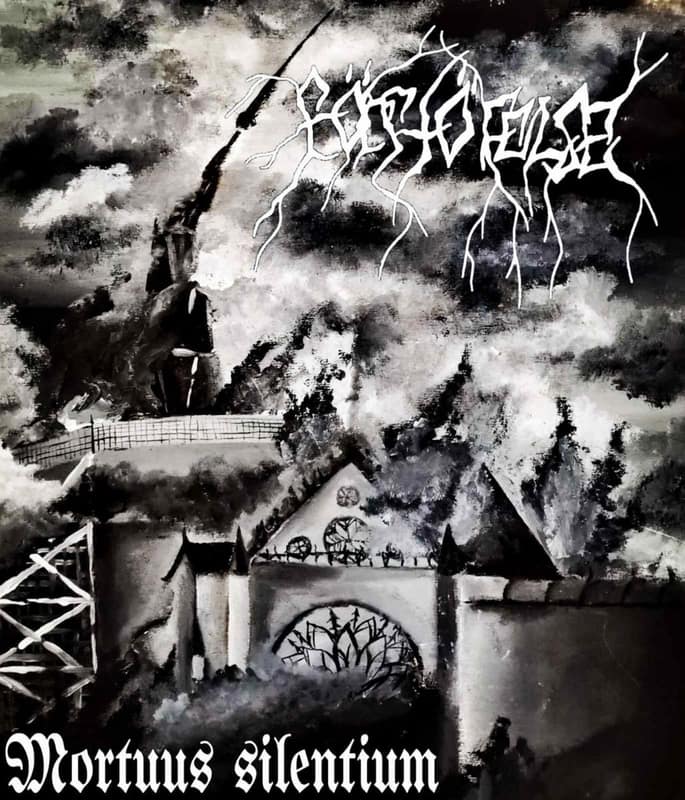
Dark Funeral have never needed reinvention — their entire career has been built on unrelenting, ceremonial aggression — but a live album is also a statement of continuity. It's proof that first-wave-adjacent Swedish black metal still commands festival-headliner respect decades on, and it sets a high bar for the newer generation of bands working the same territory. Europe's black metal underground is deep and getting deeper, and while Dark Funeral occupy the orthodox, blasphemous end of the spectrum, there's a whole ecosystem of bands pushing the genre's edges outward. Italian outfit Darkend have been folding symphonic elements into their black metal for exactly this kind of atmosphere-first audience, while Danish black metal act Afsky and melodic black metal act Massen represent the more melodic, emotionally driven wing of the scene that rarely gets the column inches it deserves. On the rawer end, bands like Förstörelse and Silumgar keep the genre's uglier, more claustrophobic instincts alive. If you're only tracking the legacy names, you're missing most of the story — melodic black metal alone accounts for hundreds of active European bands right now, and precious few of them get written about with any regularity.
Chris Holmes and the Human Cost Behind the Riffs
Not every story this week is about riffs and stagecraft. Former W.A.S.P. guitarist Chris Holmes, who has lived in Cannes, France since 2014, gave an update on his GoFundMe campaign after beginning chemotherapy for prostate cancer, describing the last two weeks as among the sickest periods of his life. Holmes has been a fixture of the European rock expat community on the Côte d'Azur for over a decade now, and his openness about the fight is a sobering counterpoint to the glossier headlines dominating the news cycle.
"The last two weeks I went through probably one of the sickest times I've ever been in my life."
It's worth remembering that the generation of musicians who built the '80s metal bands boom — the same era Phil Collen was reflecting on this week when he credited producer Robert John "Mutt" Lange with roughly 99% of Def Leppard's success — are now in their sixties and seventies, and increasingly dealing with the health realities that come with a lifetime on the road. Collen's comments about Lange's studio wizardry are a fascinating footnote for anyone debating what actually belongs on a list of the best metal albums of all time; "Hysteria" and "Pyromania" didn't happen by accident, they happened because a producer treated hard rock songwriting with pop-level precision. But stories like Holmes's are a reminder that behind every one of those best heavy metal songs is a human being who's now paying the physical toll of decades of touring, and the European metal community — the fans, the venues, the labels — has a role to play in supporting these artists when the applause fades and the medical bills arrive.
The Old Guard, the Touring Circuit, and What Comes Next
Speaking of the old guard: American acts continue to remind Europe why the touring pipeline matters so much for band welfare, not just ticket sales. Buckcherry's tour bus was involved in a multi-vehicle accident in South Carolina this week, with the band and crew thankfully confirmed safe. It's a stark reminder that the unglamorous mechanics of touring — buses, drivers, logistics, insurance — are as important to a band's survival as any album cycle, and it's a conversation European promoters and booking agents have been having more seriously as metal bands touring 2026 schedules start locking into place across the continent's festival calendar.
That calendar is going to be packed. Between legacy acts revisiting classic material and a wave of new metal bands 2026 acts angling for their first real continental exposure, the European circuit is shaping up to be as crowded and competitive as it's ever been. If you're a band trying to break into that conversation, getting your dates listed and your name in front of the right ears matters more than ever — check out our upcoming shows listings, and if you're an unsigned or underground act looking for coverage, you can always submit your band for consideration.
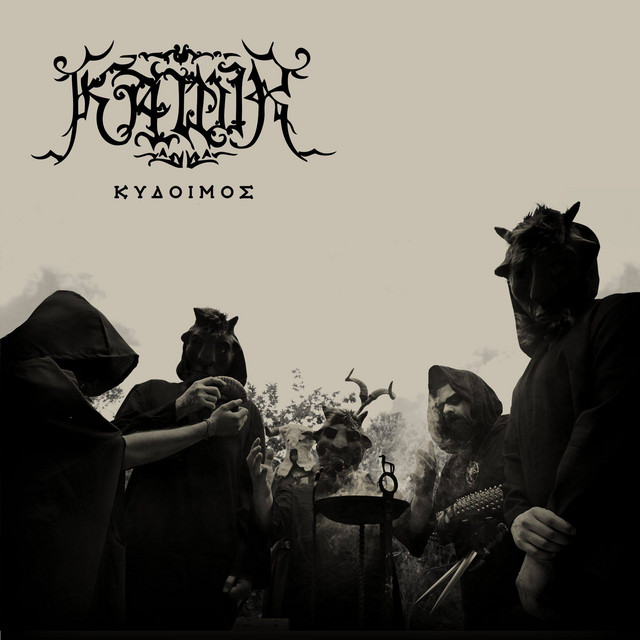
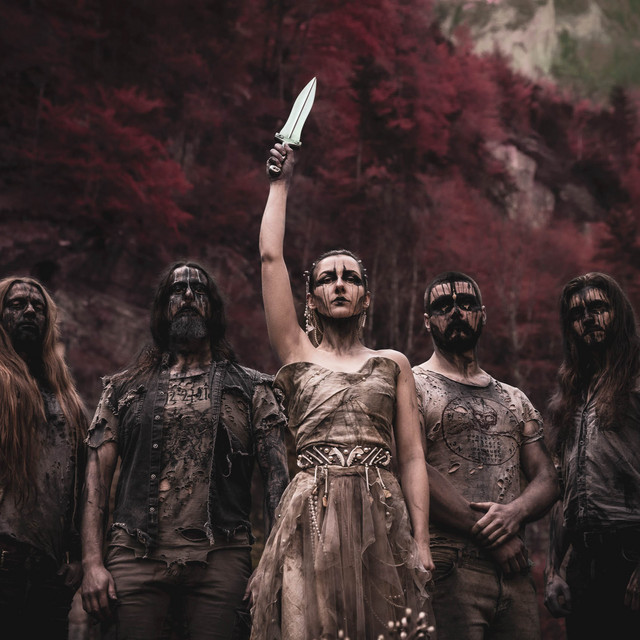
One genre that deserves more of that spotlight heading into next year is pagan metal, a scene with deep European roots but surprisingly thin blog coverage relative to its size. Greek ritualistic act Kawir, Finnish melodic outfit Brymir, and bands like Firtan and Tarabas are all carrying forward a tradition that predates the current black metal boom by decades, blending folk instrumentation with genuine aggression rather than treating folk elements as a novelty. As festival bookers look for something beyond the usual death metal and black metal headliners, pagan metal's ritualistic, communal live experience is exactly the kind of programming that could set European festivals apart from their North American counterparts in 2026.
Heavy Metal's Unkillable Core
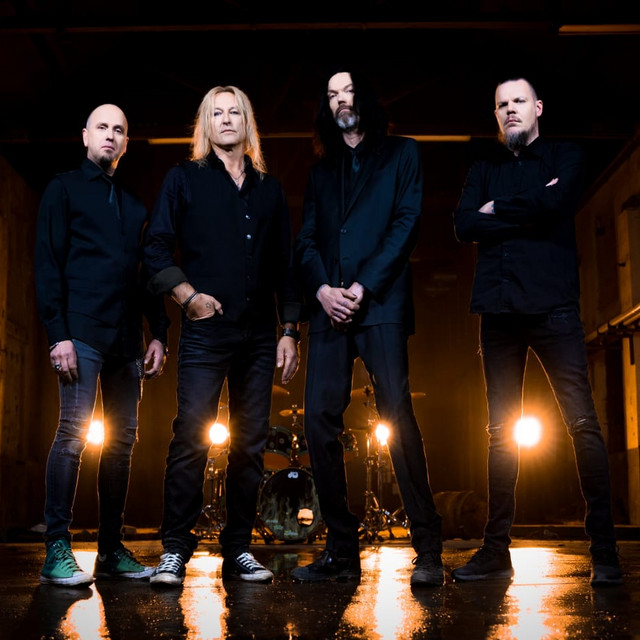
Amid all this, it's worth zooming back out to straightforward, unpretentious heavy metal — the genre that started this whole thing and still refuses to die. European bands like Viking Skull, Mindless Sinner, and Jaded Heart represent the same lineage that Phil Collen was talking about this week — bands built on riffs, hooks, and the kind of no-frills songwriting that made 80s metal bands a global phenomenon in the first place. Def Leppard's studio-crafted perfectionism under Mutt Lange is one branch of that family tree; the rawer, more direct approach of Europe's heavy metal underground is another. Both are legitimate, and both still have audiences hungry for them decades later.
What ties all of this week's stories together — Lindemann's Kraków footage, Dark Funeral's Century Media live album, Chris Holmes's health battle in France, Buckcherry's brush with disaster on the road — is a simple truth about the European metal scene: it's not a museum. It's a living, physically demanding, occasionally dangerous industry populated by people who keep showing up anyway, whether that means filming a concert film in a Polish arena, pressing a live album thirty-plus years into a career, or fighting cancer while still answering fan questions about the road. The best metal bands, past and present, aren't the ones with the cleanest narratives — they're the ones who keep grinding through the messy, human parts of the job. That's as true in 2025 as it will be when the 2026 touring season kicks into gear.