Alex Terrible Goes Nu-Metal, Abbath Walks: A Two-Minute Meltdown and a Deathcore Cover Define Europe's Week
Some weeks in European metal give you tidy narratives. This isn't one of them. Instead we get a Russian-born deathcore vocalist tearing into Korn, a Norwegian black metal legend storming off a Finnish stage before the first verse even lands, and one of Germany's most beloved frontwomen calmly explaining why five decades of screaming has somehow kept her in better shape than she was in the '80s. Add a British NWOBHM guitarist quietly confirming that one of the genre's most anticipated 2027 albums is already mixed, and you've got a scene that refuses to sit still, for better or worse.
Alex Terrible Drags Nu-Metal Into Deathcore Territory
Let's start with the fun one. Slaughter To Prevail frontman Alex Terrible has dropped a cover of Korn's "Freak on a Leash," and by most accounts it's exactly the kind of unhinged, larynx-shredding take you'd expect from a vocalist who's built a career on sounding like he's gargling gravel for sport. It's a smart move, and not just because nu-metal nostalgia is currently printing money across the touring circuit. Slaughter To Prevail have spent the last few years becoming one of the genre's biggest crossover acts in Europe, pulling festival crowds who wouldn't otherwise touch a deathcore bill, and a Korn cover is the kind of gateway drug that works both directions — old nu-metal heads discover breakdown-heavy deathcore, and deathcore kids get schooled on where a lot of that groove-laden aggression actually came from.
It's worth noting how much groove-adjacent deathcore has been cross-pollinating lately. Scottish outfit Bleed From Within have spent years proving that groove metal and metalcore can share a stage without diluting either, and Alex Terrible's detour into nu-metal territory feels like part of the same broader trend — Europe's heavier scenes borrowing riffs and vocal cadences from genres they used to keep at arm's length. If you're tracking new metal bands 2026 is shaping up to be a year where those genre lines blur even further, and honestly, the results have mostly been worth hearing.
Abbath's Two-Minute Set: A Meltdown Heard Round the Underground
Then there's Tampere, Finland, where Abbath's set at the SaariHelvetti festival lasted almost exactly as long as it takes to read this paragraph. The former Immortal frontman launched into the opening song, threw down his guitar mid-riff, and stormed off stage — a full set scrapped inside two minutes flat. His bandmates cited health problems afterward, and whatever the real story is, it's a stark reminder of how fragile even legendary live careers can be when the body and the mythology stop cooperating.
Two minutes in, guitar down, gone. No encore, no explanation from the man himself — just a festival crowd left staring at an empty stage.
Abbath has always cultivated a certain chaotic, larger-than-life persona — corpse paint theatrics, on-stage antics, a personality as much a part of the show as the riffs — but there's a difference between chaos-as-performance and chaos-as-symptom. Norway's black metal old guard has been touring hard for three decades now, and moments like this force an uncomfortable question the European scene doesn't love asking out loud: how much longer can the genre's founding generation keep doing this at full intensity? It's a question that extends well beyond Abbath. Veterans like Germany's Nargaroth have built entire careers on raw, uncompromising black metal that demands as much physically and emotionally as it does creatively, and the toll of decades in that mode doesn't announce itself politely. It just shows up one night, mid-riff, guitar hitting the floor.
Doro Pesch Says Metal Keeps Her Young — And She's Not Wrong
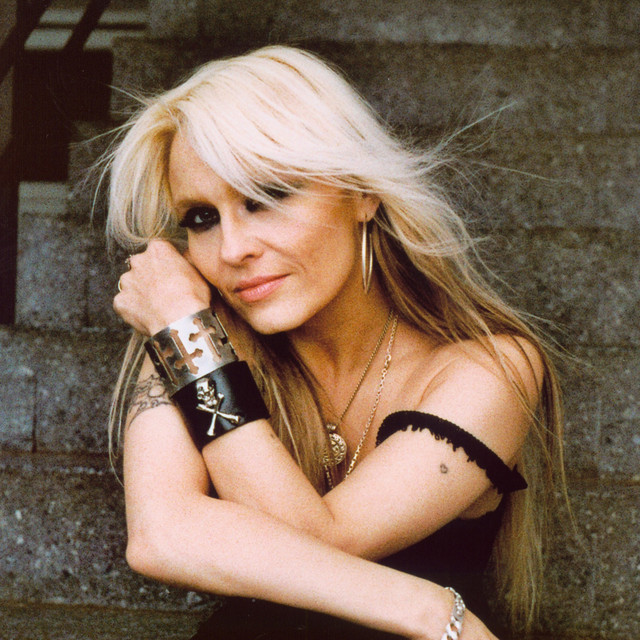
On the opposite end of that spectrum sits Doro Pesch, who in a new interview with Music Interview Corner offered up one of the more heartening quotes of the week. Asked whether she'd want to travel back in time to watch her younger self perform, the German metal queen instead turned the question on its head, insisting she's genuinely healthier now than she was in the 1980s. It's the kind of statement that sounds almost too optimistic until you remember Doro has spent over four decades proving that longevity in this genre isn't just possible, it's a discipline.
There's something quietly instructive in the contrast between Doro's comments and Abbath's Tampere collapse. Both are lifers. Both have given the European metal scene decades of genuinely essential music. But where one frontperson seems to have found a sustainable rhythm with the demands of touring and performing, the other appears to be running up against them in real time. If there's a lesson buried in this week's headlines, it might be that surviving heavy metal long-term has less to do with talent and more to do with how you manage the wear and tear — physically, mentally, all of it.
Saxon's Gods of Thunder Nears the Finish Line
Meanwhile, in the NWOBHM camp, Saxon guitarist Brian Tatler — also known for his work with Diamond Head — gave an update on the band's upcoming album "Gods Of Thunder," tentatively due in early 2027 via Silver Lining Music. According to Tatler, the record is fully mixed, and he also touched on frontman Biff Byford's health, a subject that's been on fans' minds given Saxon's status as one of the last active torchbearers of the original 80s metal bands wave that helped define British heavy metal in the first place.
Saxon's continued output matters more than it might seem at a glance. When people compile lists of the best metal albums of all time, NWOBHM entries from the Saxon, Iron Maiden, and Def Leppard era show up constantly, and it's genuinely rare for a band from that generation to still be releasing new, mixed-and-mastered material rather than just touring on nostalgia. It's the difference between a legacy act and a band that's still actively part of the European metal scene's present tense. For anyone building a case for the best heavy metal songs of the last five decades, Saxon's back catalog remains a masterclass in how to keep riffs simple, huge, and endlessly replayable — and if "Gods Of Thunder" delivers on that tradition, 2027 is shaping up to be a good year for the band's diehards.
What This Week Says About Europe's Metal Ecosystem
Taken together, these stories paint a scene in genuine flux. You've got deathcore artists like Slaughter To Prevail actively reaching backward into nu-metal for inspiration, you've got black metal's founding generation visibly buckling under the physical demands of the road, and you've got NWOBHM veterans somehow still finishing full-length albums decades after their genre supposedly peaked. None of that is contradictory — it's just what a mature, layered metal ecosystem looks like when it's been running continuously for fifty years.
It also underlines why coverage of metal bands touring 2026 and beyond needs to stay honest about both ends of that spectrum. The festival circuit is still packed with acts pushing three, four, five decades deep into their careers, and audiences deserve transparency when things go sideways onstage, the way they clearly did in Tampere. At the same time, there's a whole generation of European bands — deathcore, black metal, doom, thrash, everything in between — building the next chapter of this scene's story right now, often without the visibility their older counterparts still command.
If you're chasing down where to catch some of these acts live, or just want to see who's actually playing your city this season, our upcoming shows listings are updated constantly with exactly that kind of on-the-ground information. And if you're in a band that feels like it's been overlooked in favor of the same handful of legacy names getting all the ink, we'd genuinely like to hear from you — submit your band and let's get you into the conversation. Because whether it's a deathcore vocalist reinventing a nu-metal classic or an 80s metal band still finishing albums against all odds, the story of European metal has never been about just one generation. It's about all of them, colliding, arguing, and somehow still sharing the same stages.