Avant-Garde Brilliance and Legacy Recognition: Igorrr's UK Invasion While Ozzy Receives Congressional Honor
The European metal landscape witnesses a fascinating convergence of experimental innovation and institutional recognition this week, as French avant-garde mastermind Igorrr prepares to unleash his genre-defying chaos across the UK and Ireland this November, while across the Atlantic, the US House of Representatives formally honors metal's most enduring icon for his towering contributions to heavy music history.
Experimental Metal's European Expansion
Igorrr's upcoming UK and Ireland tour represents a significant moment for European experimental metal, bringing together an exceptional lineup that showcases the continent's most adventurous musical minds. The November dates will feature Norwegian black metal innovators Shining alongside experimental electronic artist Otto Von Schirach, creating what promises to be one of the most sonically diverse metal packages touring European venues this year.
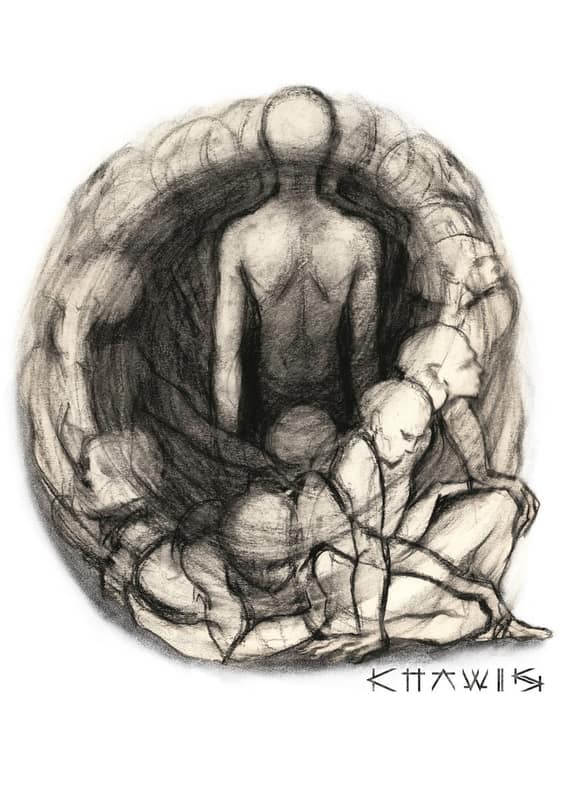
The French mastermind behind Igorrr has spent over a decade crafting a sound that defies conventional metal categorization, blending breakcore electronics with classical arrangements, death metal brutality, and avant-garde composition techniques. This approach mirrors broader trends within the European metal scene, where Kha.wis and other post-metal acts continue pushing boundaries between atmospheric composition and crushing heaviness.
What makes this tour particularly significant for the European circuit is its demonstration of how Continental acts are increasingly comfortable presenting challenging, experimental material to mainstream metal audiences. The inclusion of Norwegian Shining—masters of jazz-influenced extreme metal—further emphasizes how Nordic innovation continues to influence European metal's creative direction.
Institutional Recognition and Metal's Cultural Legitimacy
The formal recognition of Ozzy Osbourne by the US House of Representatives marks a watershed moment for metal's cultural legitimacy, with the congressional honor specifically citing his "rebellious independence, creative freedom, and unapologetic individuality." While this recognition occurs in America, its implications resonate deeply within European metal circles, where questions of artistic legitimacy and cultural acceptance have long influenced the scene's development.
European metal has always maintained a complex relationship with institutional recognition. Unlike their American counterparts, Continental acts often emerge from cultural environments where experimental music receives greater institutional support, yet metal itself has historically operated outside mainstream cultural acknowledgment. This congressional recognition of metal's cultural significance could influence how European cultural institutions approach their own metal heritage.
The timing is particularly relevant as European metal continues its global expansion. Acts like Nightwish have already achieved mainstream recognition across Continental Europe, while younger acts push creative boundaries that demand serious critical consideration.
Lineage and Innovation in Modern Metal
Mark Morton's recent observations about Lamb of God's unique sonic signature raise fascinating questions about originality within metal's evolutionary path. His assertion that "nobody just straight up sounds like Lamb of God" after 25 years highlights how truly innovative bands develop distinctive voices that resist easy imitation—a principle that applies directly to European metal's most successful acts.
This concept of sonic uniqueness resonates strongly within European metal scenes, where acts like Blut aus Nord have spent decades developing atmospheric black metal approaches that remain entirely their own. The French collective's industrial-tinged atmospheric compositions demonstrate how European acts often achieve lasting influence through patient artistic development rather than following trending sounds.
European death metal acts like Benediction have similarly carved distinctive niches within established genres, proving that innovation within traditional metal frameworks remains viable for Continental acts willing to commit to long-term artistic development.
Cross-Generational Influence and Fan Investment
Geddy Lee's recent insights about Rush's fanbase development—noting how "with every shift in style, we lost fans, but we gained other fans"—offers crucial lessons for European metal acts navigating creative evolution. His emphasis on fan investment rather than simple entertainment speaks directly to European metal's sophisticated relationship with its audience.
European metal scenes have always demonstrated exceptional loyalty toward acts that maintain artistic integrity while evolving creatively. This principle applies across genres, from gothic metal pioneers like Moonspell who've successfully navigated multiple stylistic periods, to power metal institutions like Gamma Ray who continue attracting new generations while maintaining core audiences.
The concept of fan investment becomes particularly relevant for younger European acts building sustainable careers. Rather than chasing immediate commercial success, Continental metal bands increasingly focus on developing meaningful connections with dedicated audiences who appreciate artistic growth over stylistic stagnation.
Genre Evolution and Continental Identity
The current metal landscape reveals fascinating developments in how European acts approach genre boundaries and creative identity. Igorrr's success with extreme genre-blending parallels broader trends where Continental metal acts feel increasingly confident abandoning traditional genre limitations in favor of personal artistic vision.
This creative confidence extends beyond experimental acts into more traditional metal territories. European death metal continues evolving through acts like Deathrite who maintain genre foundations while incorporating distinctive Continental influences, creating music that sounds unmistakably European while remaining authentically heavy.
Black metal's ongoing evolution across European scenes demonstrates similar patterns, with acts like Groza developing atmospheric approaches that reflect specific regional influences while contributing to metal's global conversation.

Looking Forward: European Metal's Growing Confidence
These developments collectively highlight European metal's growing creative confidence and cultural significance. From Igorrr's genre-defying innovation to the institutional recognition of metal's cultural importance, the scene demonstrates increasing comfort with both experimental boundary-pushing and mainstream cultural engagement.
European metal acts are no longer content simply participating in global metal conversations—they're increasingly leading those conversations through innovative approaches that reflect Continental metal's sophisticated understanding of both tradition and progress. This leadership extends beyond individual acts to encompass touring strategies, festival development, and cultural integration approaches that influence metal scenes worldwide.
The November tour dates across UK and Irish venues will provide crucial insights into how European audiences respond to challenging experimental music presented within metal frameworks, potentially influencing future touring and creative strategies across Continental scenes.