European Metal's Nostalgia Circuit and Eastern European Metalcore Expansion Highlight Continental Scene's Strategic Touring Evolution
The European metal scene is experiencing a fascinating dichotomy as established acts embrace their classic catalogues while emerging Eastern European forces push metalcore into new territories. This strategic evolution reveals how Continental metal bands are approaching touring and creative output in an increasingly complex marketplace.
The Gathering's Mandylion Revival Sparks European Nostalgia Circuit
Dutch atmospheric metal pioneers The Gathering have successfully launched their spring European tour celebrating the classic Mandylion lineup, with original vocalist Anneke van Giersbergen returning for what promises to be one of 2026's most emotionally resonant touring experiences. The London kickoff at O2 Shepherds Bush Empire demonstrates how European best metal bands are strategically leveraging their classic periods to connect with both longtime fans and newer audiences discovering these seminal works.
This approach reflects a broader trend across the European metal scene where established acts are mining their catalogues for touring opportunities that celebrate specific eras rather than simply promoting new material. The Mandylion tour represents more than nostalgia—it's a masterclass in how Continental metal acts can create meaningful live experiences that honor their artistic legacy while remaining commercially viable.
The success of this model has implications for other European bands with similarly rich catalogues. Progressive and atmospheric metal acts particularly benefit from this approach, as their complex compositions often gain new layers of meaning when performed by reunited classic lineups.
Eastern European Metalcore's International Breakthrough
While Western European acts mine their past, Eastern European metalcore is aggressively expanding into international markets. Denis 'Stoff' Shaforostov's return with Drag Me Out represents a significant development in how new metal bands 2026 are approaching global expansion from Eastern European bases.
The release of "Can't Keep On Running Away" through Life Or Death Records demonstrates sophisticated label partnerships that give Eastern European acts access to Western distribution networks. This represents a maturation of the regional scene that goes far beyond the raw black metal exports that traditionally dominated Eastern European metal output.
Shaforostov's international experience with Asking Alexandria has clearly informed Drag Me Out's strategic approach. Rather than simply creating music for local scenes, Eastern European metalcore bands are now designing their sound and marketing for immediate international consumption. This shift has profound implications for how we understand the geographic boundaries of metal scenes.
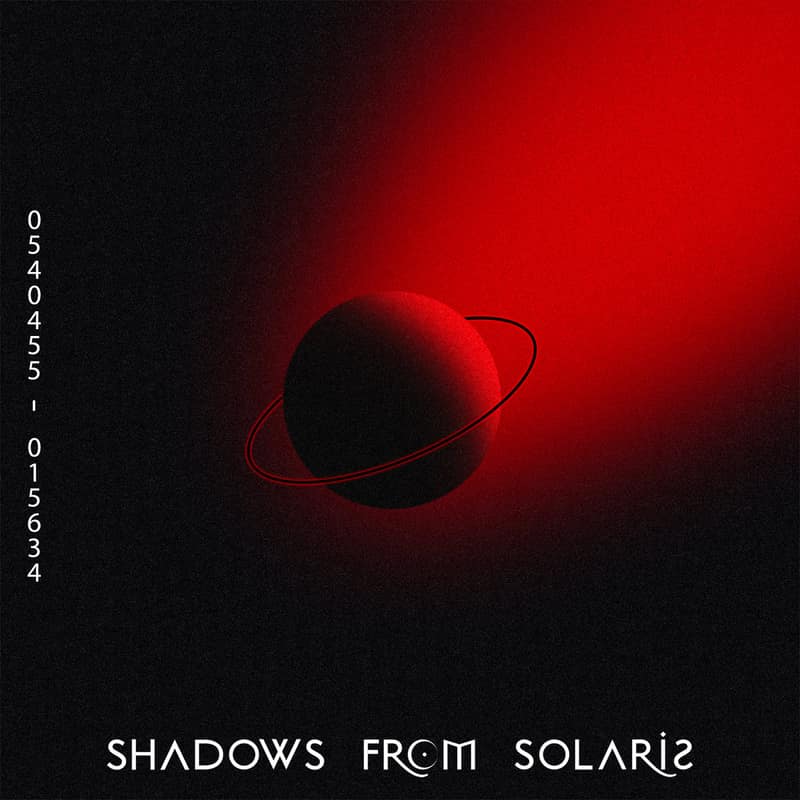
The emotional metalcore approach favored by acts like Shadows from Solaris aligns perfectly with this international expansion strategy, as the genre's accessibility makes it ideal for cross-cultural metal export.
Iron Maiden's Catalog Deep Cuts Set New Touring Standards
Iron Maiden's decision to perform "Infinite Dreams" for the first time in three decades sends shockwaves through the touring strategies of European metal acts. When one of the best metal albums of all time architects begins mining their deep catalog, it signals a fundamental shift in how legacy acts approach setlist construction.
This move validates the growing fan appetite for rare material and suggests that European metal audiences are sophisticated enough to appreciate deep cuts alongside the expected classics. The strategy creates multiple touring opportunities from the same catalog—anniversary tours, deep cuts tours, and traditional greatest hits packages can all coexist.
For European acts with extensive catalogs, Maiden's approach provides a roadmap for extending the commercial life of their back catalogs. Rather than relying solely on new material to drive tours, bands can create themed experiences around different eras or rarely performed songs.
This approach particularly benefits the power metal acts that dominate much of Continental Europe's traditional metal scenes, as their elaborate compositions and storytelling elements translate perfectly to themed touring concepts.
Studio Activity and Creative Cycles Shape 2026 Landscape
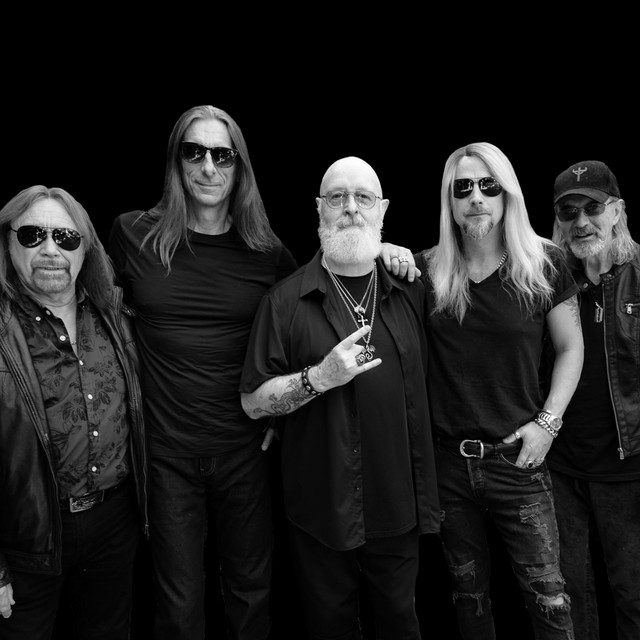
The confirmation that Judas Priest's next album is shaping up to be "more traditional" than their recent output highlights how veteran European-connected acts are responding to current metal trends. While metal bands touring 2026 focus heavily on nostalgia and catalog celebration, studio activity reveals artists seeking balance between innovation and tradition.
Roy Khan's intention to recreate the classic Kamelot sound on his solo project represents another facet of this trend. Rather than pushing into entirely new territory, established European metal figures are increasingly comfortable embracing the sounds that originally defined their success. This creative conservatism isn't artistic retreat—it's strategic positioning in a marketplace where fans increasingly value authenticity over constant reinvention.
Parkway Drive's apparent return to studio work suggests that even newer international acts recognize the importance of consistent output in maintaining European market position. The Continental metal scene demands both touring presence and regular studio activity, creating pressure for bands to balance live performance with creative development.
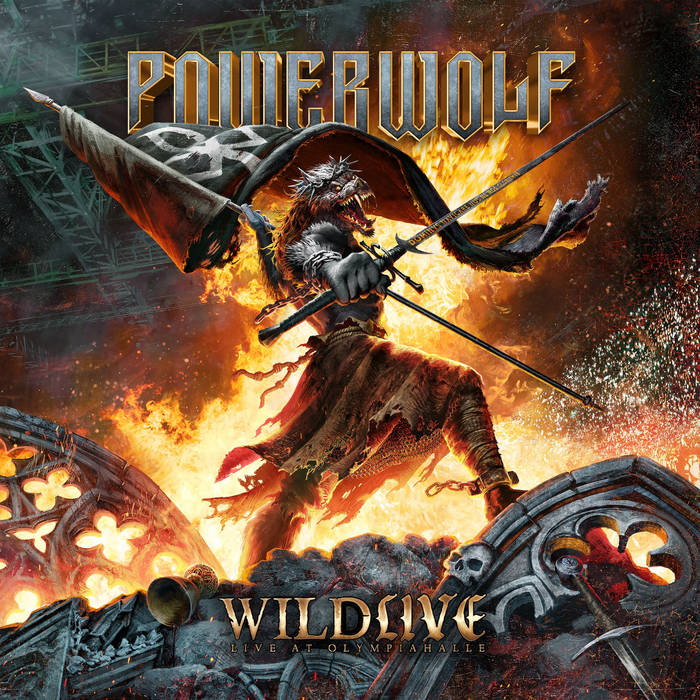
European power metal acts like Powerwolf have mastered this balance, maintaining regular touring schedules while producing albums that satisfy both traditional metal expectations and contemporary production standards.
Health Concerns and Industry Mortality Cast Shadows
The departure of Spineshank guitarist Jason Hager from their anniversary tour due to health concerns reflects broader industry conversations about sustainability and artist wellness. When combined with Exodus guitarist Gary Holt's recent comments about mortality and performance, these developments highlight the physical and emotional toll of modern metal touring.
These concerns resonate particularly strongly across European metal scenes, where extensive touring circuits and festival seasons create intense physical demands. The celebration of classic albums through reunion tours and deep catalog performances takes on additional urgency when viewed against the reality of aging musicians and health challenges.
Mikkey Dee's reflections on the lost Motörhead lineup underscore how quickly legendary configurations can disappear. For European metal fans, this reality makes current touring opportunities with classic lineups—like The Gathering's Mandylion tour—feel particularly precious and time-sensitive.
The Future of European Metal Touring Strategy
The combination of nostalgic touring approaches and aggressive international expansion from Eastern European acts suggests a maturing European metal scene that can support multiple strategic approaches simultaneously. Traditional Western European acts can mine their catalogs for themed touring experiences while newer Eastern European forces push into international markets with contemporary sounds.
This diversity strengthens the overall European metal ecosystem by providing multiple entry points for different audiences. Fans seeking 80s metal bands nostalgia can attend classic lineup reunions, while those interested in cutting-edge metalcore can explore the expanding Eastern European scene.
The success of both approaches validates European metal's growing confidence in its own artistic legacy while maintaining openness to innovation from emerging regional scenes. This balance between preservation and progress positions Continental metal scenes as increasingly sophisticated cultural ecosystems capable of supporting both historical celebration and contemporary creativity.
As 2026 progresses, the European metal scene's strategic evolution continues to demonstrate how regional differences can strengthen rather than fragment the broader Continental metal community. Whether through catalog celebration or international expansion, European metal acts are finding increasingly sophisticated ways to connect with audiences while maintaining their artistic integrity.