European Metal Veterans Battle Personal Struggles as Continental Power Metal Icons Drive Genre Innovation
The European metal scene finds itself at a crossroads where personal battles intersect with creative triumphs, as veteran acts confront health challenges while power metal innovators push the genre toward new territories. Recent developments highlight both the vulnerability and resilience that define Continental metal's enduring spirit.
Health Battles Unite Metal Community Across Continents
The metal community has rallied around several prominent figures facing serious health challenges, demonstrating the genre's characteristic solidarity. Coal Chamber's Mikey Cox recently announced his victory over Stage 3 cancer, marking a significant milestone in what has been a grueling battle. The drummer's announcement that he is "cancer free" represents not just personal triumph, but a beacon of hope for others in the metal community facing similar struggles.
This wave of health challenges has prompted unprecedented community support initiatives, with GWAR launching a nationwide blood donation effort for a founding member battling cancer. These grassroots campaigns underscore metal's capacity for collective action and mutual support, values that have long defined the European metal scene where community bonds run particularly deep.
For European metal fans, these stories resonate strongly within a Continental scene that has historically embraced both darkness and triumph as core themes. Bands like Cancer, the British heavy metal veterans, have long explored themes of mortality and struggle through their music, creating anthems that now provide soundtrack to real-world battles. The parallels between artistic expression and lived experience highlight metal's unique ability to process difficult realities through crushing riffs and powerful vocals.
Band Longevity Faces Modern Pressures
Veteran acts across the Atlantic are grappling with questions of longevity and legacy that resonate throughout European metal circles. Sevendust's Morgan Rose recently revealed that retirement discussions preceded their latest album "One," a candid admission that reflects broader industry pressures facing established acts. The Atlanta quintet's upcoming European headline tour represents their first Continental run in eight years, highlighting the complex relationship between American acts and European audiences.
This touring gap speaks to larger structural challenges within the global metal ecosystem. European metal infrastructure has evolved significantly over the past decade, with Continental festivals and venues becoming increasingly selective about international bookings. The result is a more competitive landscape where even established acts must prove their continued relevance to European audiences who have access to an unprecedented depth of local talent.
Corrosion of Conformity's recent upheaval, following Mike Dean's unexpected departure, exemplifies how longtime partnerships can fracture unexpectedly. Woody Weatherman's description of the bassist's exit as "a shock" reveals the human cost of maintaining creative collaborations across decades. These dynamics echo throughout European metal, where bands like Dep continue pushing death metal and groove metal boundaries while navigating similar interpersonal complexities.
Power Metal's European Renaissance
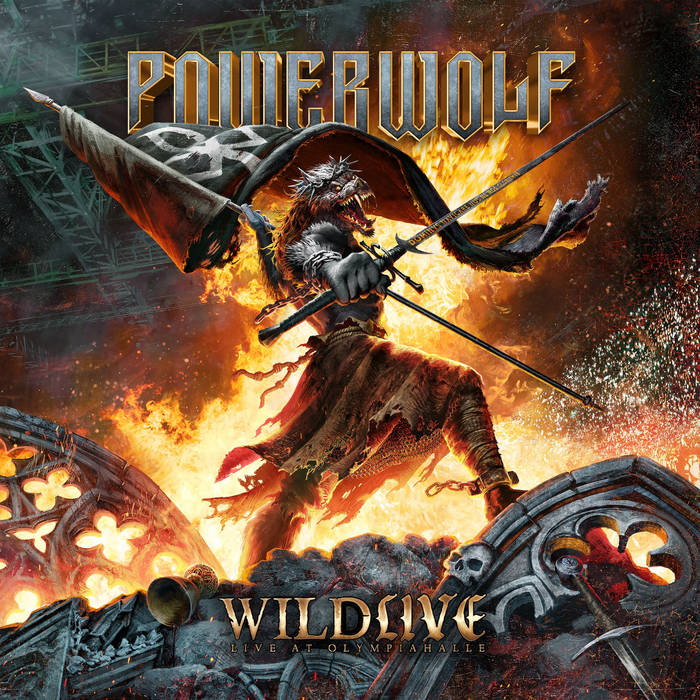
While veteran acts confront challenges, European power metal continues its creative renaissance with acts like Powerwolf leading the charge. The German theatrical metal masters exemplify how Continental power metal has evolved beyond traditional fantasy themes to embrace more complex narratives and sophisticated musicianship. This evolution positions European power metal as increasingly distinct from its American counterparts, developing unique regional characteristics that attract global attention.
The genre's European stronghold benefits from deep cultural roots and institutional support systems that simply don't exist elsewhere. From Germany's robust festival circuit to Scandinavia's government arts funding, European power metal operates within an ecosystem designed to nurture creative development. This infrastructure advantage becomes particularly apparent when examining touring patterns and album production values, where European acts consistently demonstrate higher production standards and more ambitious conceptual frameworks.
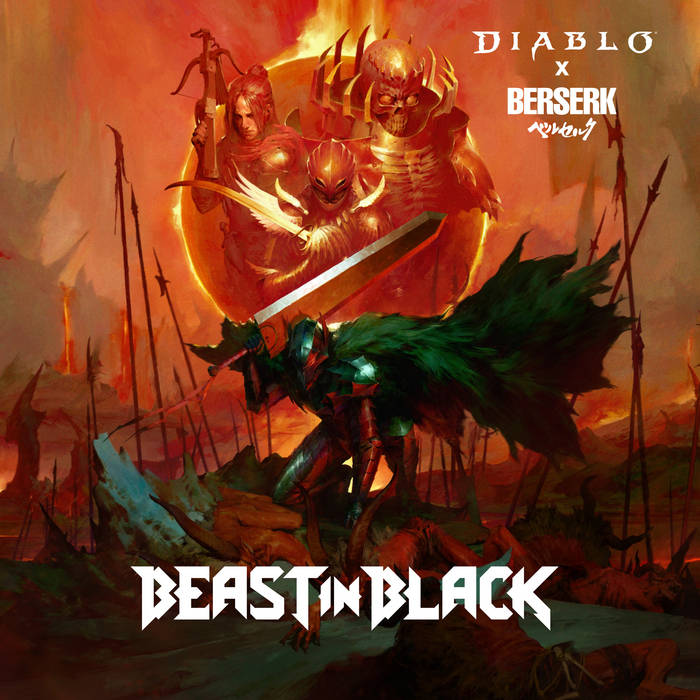
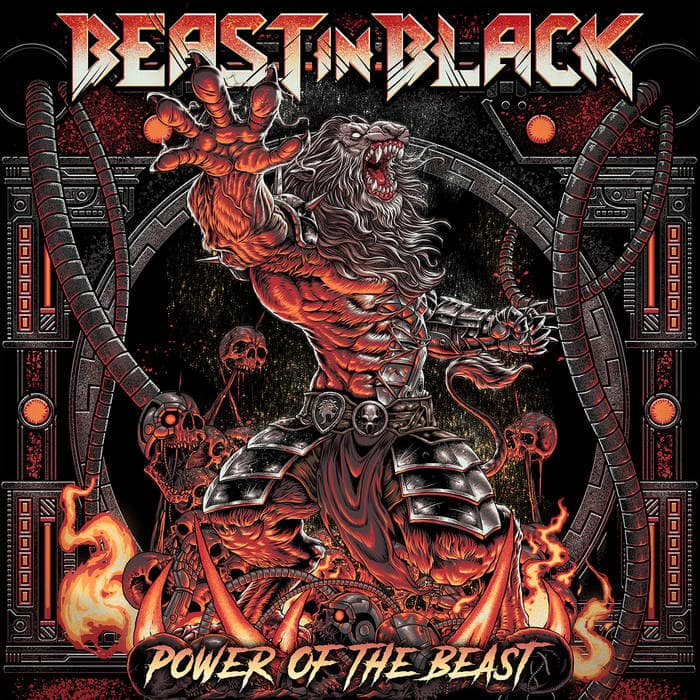
Finnish acts like Beast in Black represent this new wave of European power metal sophistication, combining traditional melodic sensibilities with modern production techniques and visual presentation. Their approach influences younger Continental acts who see power metal not as nostalgic throwback, but as viable contemporary expression worthy of serious artistic investment.
Generational Transitions and Legacy Projects
The emergence of Stanley Simmons, featuring sons of KISS legends Paul Stanley and Gene Simmons, raises intriguing questions about musical inheritance and generational transition. While the project represents American rock royalty, its implications resonate throughout European metal where similar dynastic questions emerge as pioneering acts age and consider succession planning.
European metal's generational transition differs significantly from American patterns, largely due to the Continental scene's emphasis on institutional knowledge transfer and formal mentorship. Younger European acts frequently collaborate with veteran musicians in ways that preserve technical knowledge while encouraging innovation. This approach contrasts sharply with American tendencies toward complete generational replacement, suggesting different cultural attitudes toward tradition and change.
Shadows Fall's 30th anniversary celebration in Springfield, Massachusetts, demonstrates how American acts maintain hometown connections, but European metal's geographic density creates different relationship patterns. Continental acts often maintain connections across multiple cities and countries, creating more complex but potentially more resilient support networks.
Political Expression and Artistic Responsibility
Dave Mustaine's recent comments about celebrity political influence highlight ongoing tensions between artistic expression and political advocacy that particularly affect European metal. Continental metal scenes have historically embraced more explicit political content, from Norwegian black metal's anti-Christian themes to German thrash metal's anti-fascist messaging. This tradition creates different expectations for how metal musicians should engage with contemporary political issues.
European metal's political consciousness stems partly from the continent's complex 20th-century history and ongoing political integration challenges. Bands regularly address immigration, economic inequality, and cultural identity through their music, creating artistic works that function as political commentary. This approach contrasts with American metal's more individualistic tendencies, suggesting fundamental cultural differences in how metal functions as social discourse.
The implications extend beyond lyrical content to encompass touring decisions, festival participation, and record label relationships. European metal acts frequently face pressure to take positions on everything from environmental policy to refugee assistance, expectations that reflect the genre's perceived role as cultural voice rather than mere entertainment.
Future Trajectories and Continental Strength
As 2026 approaches, European metal's trajectory appears increasingly independent from American influences. Continental acts demonstrate growing confidence in their unique artistic visions, supported by robust infrastructure and passionate audiences. The combination of technical excellence, cultural depth, and institutional support positions European metal as the genre's creative leader heading into the decade's second half.
This independence manifests in everything from production choices to touring strategies. European metal acts increasingly bypass American validation entirely, building careers through Continental festival circuits and direct fan engagement. The result is a more authentic and sustainable creative ecosystem that prioritizes artistic integrity over commercial compromise.
For European metal fans, these developments represent both opportunity and responsibility. The scene's growing influence creates obligations to support emerging acts while preserving the cultural values that made Continental metal distinctive. Whether addressing personal struggles, creative challenges, or political pressures, European metal's response will shape the genre's global development for years to come.