Venom's Transatlantic Touring Crisis Exposes European Metal's Growing International Divide
The financial and bureaucratic barriers preventing legendary British black metal pioneers Venom from crossing the Atlantic have become emblematic of a broader crisis facing European metal acts seeking international expansion. As guitarist Stuart "Rage" Dixon recently explained, the band faces prohibitively expensive visa costs that make American touring financially unfeasible, despite overwhelming fan demand following their latest release "Into Oblivion."
The Economics of International Metal Touring
Dixon's candid assessment that international bands are "like vampires" who need formal invitation to cross thresholds reveals the harsh realities behind modern touring economics. The visa application process, combined with equipment transportation costs, insurance requirements, and venue guarantees, has created an almost insurmountable barrier for many European acts. This stands in stark contrast to the golden era of international metal touring in the 1980s and 1990s, when legendary 80s metal bands could more easily traverse continents to build global followings.
The irony is particularly bitter for Venom, whose influence on both American and European extreme metal cannot be overstated. The Newcastle trio essentially created the template that countless best metal bands of all time would follow, yet now find themselves economically excluded from markets where their impact remains strongest.
European Metal's Creative Resurgence Versus Market Access
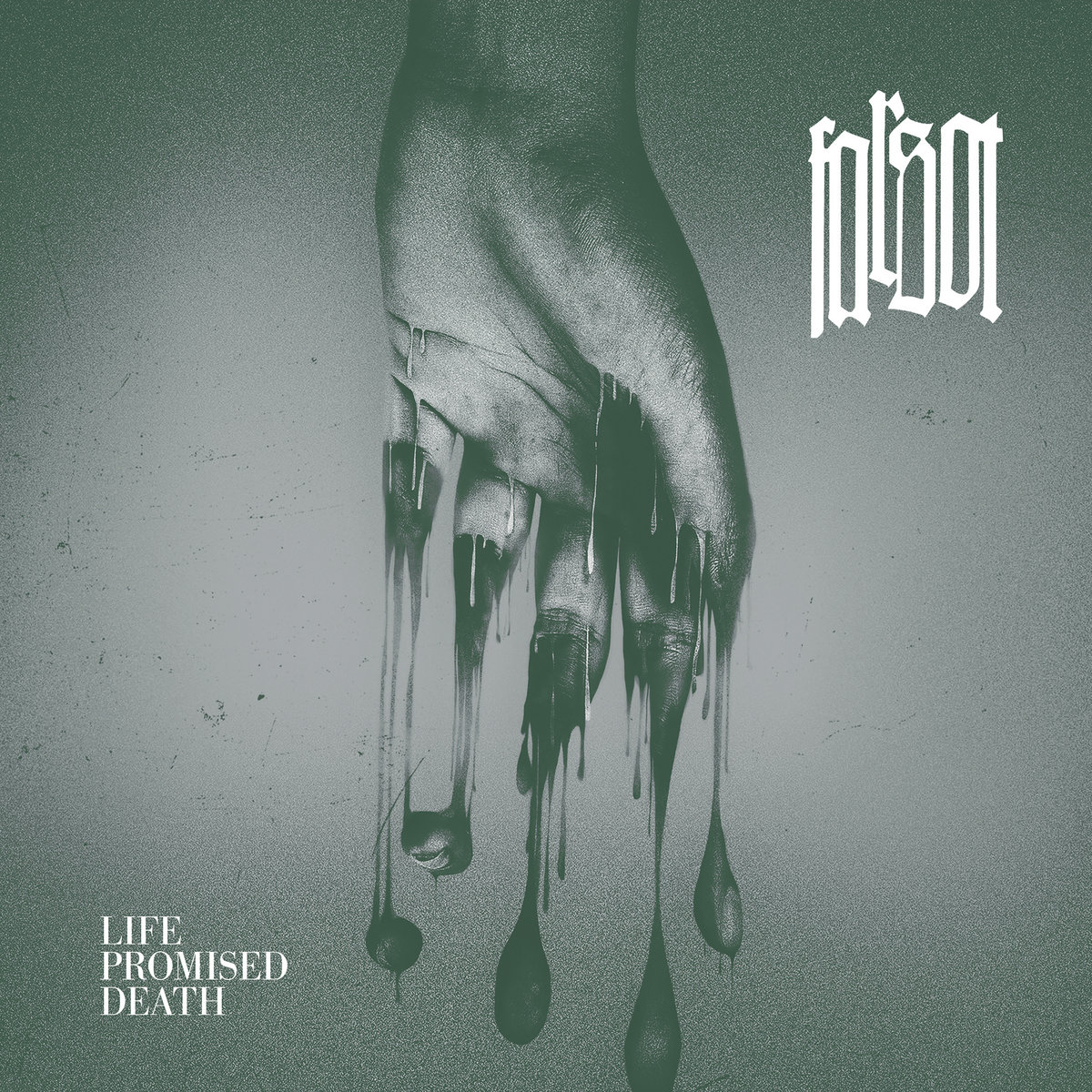
While Venom struggles with international logistics, the broader European metal scene continues its creative renaissance. The continent's black metal underground, particularly active in Scandinavia and Eastern Europe, has produced some of the most innovative extreme metal of recent years. Bands like Darkspace and Farsot represent this new wave of atmospheric and experimental black metal that pushes beyond traditional boundaries while honoring the genre's roots.

The stoner metal and sludge metal scenes across Europe have similarly flourished, with acts incorporating everything from post-rock atmospherics to industrial elements. This creative diversity within European metal scene represents both a strength and a challenge – while the artistic output remains exceptional, the fragmented nature of regional scenes makes it difficult for individual acts to achieve the international recognition necessary to fund major touring operations.
The Visa Crisis and Its Broader Implications
Venom's touring predicament reflects broader post-Brexit complications that have affected UK-based metal acts particularly severely. The additional bureaucratic layers now required for both European and American touring have created what many industry insiders describe as a "perfect storm" of logistical nightmares. This has forced many new metal bands 2026 to reconsider their international ambitions entirely, focusing instead on regional touring circuits.
The ripple effects extend beyond individual bands to festival programming and international metal collaboration. Major European festivals report increasing difficulty securing diverse international lineups, while American promoters find themselves working with smaller pools of available European acts. This geographic segmentation threatens to reverse decades of global metal community building.
Digital Solutions and Virtual Connections
Some European acts have responded to these touring limitations by embracing digital platforms more aggressively. Live streaming performances, virtual meet-and-greets, and enhanced social media engagement have become essential tools for maintaining international fan connections when physical touring proves impossible. This digital pivot has particularly benefited experimental acts working in grindcore and brutal death metal, genres that translate surprisingly well to online formats due to their intense, concentrated energy.
The industrial metal scene, with acts like Master Boot Record, has pioneered innovative approaches to digital-first releases and virtual performances. These technological adaptations may represent the future of international metal engagement, even as traditional touring remains the gold standard for authentic metal experience.

Regional Strength Through Creative Collaboration
Unable to easily tour internationally, many European metal bands touring 2026 have instead focused on strengthening regional networks and cross-border European collaborations. This has led to fascinating creative exchanges between national scenes – German bands collaborating with Italian acts, Scandinavian musicians working with Eastern European artists, and British bands finding new audiences in Continental markets previously considered secondary.
The folk metal scene has particularly benefited from this regional focus, with acts exploring shared European mythological and historical themes that resonate across borders. This cultural approach to metal has created some of the best heavy metal songs of recent years, combining traditional European instruments with contemporary extreme metal techniques.
Festival Circuits as Alternative Pathways
European festival circuits have become increasingly important as alternatives to traditional touring routes. Major festivals can absorb visa and transportation costs that would cripple individual venue tours, allowing international acts brief but impactful European appearances. This has created a new ecosystem where festival performance becomes the primary method of international exposure for many acts.
However, this festival-centric approach has its limitations. Only established acts typically receive festival slots, creating barriers for emerging artists who previously might have built international followings through smaller venue tours. The result is a widening gap between internationally recognized European metal acts and promising regional bands struggling to break beyond local scenes.
The Future of Transatlantic Metal Exchange
Industry experts suggest that current touring limitations may eventually force fundamental changes in how international metal operates. Potential solutions include industry-wide visa assistance programs, festival consortium arrangements for shared transportation costs, and expanded digital platform revenue streams that could fund traditional touring activities.
Some European metal acts have begun exploring alternative international markets with lower entry barriers, including South American tours and Asian festival appearances. These markets, while smaller than traditional American circuits, offer growing audiences and fewer bureaucratic obstacles.
The Venom touring crisis ultimately represents broader challenges facing European metal's international ambitions. While the continent continues producing some of the best metal albums of all time, the mechanisms for sharing that creativity globally have become increasingly complex and expensive. Whether through technological innovation, industry reform, or new partnership models, the European metal scene must adapt to maintain its global influence in an increasingly fragmented musical landscape.
As Dixon noted, invitation remains key – but increasingly, those invitations must come with substantial financial backing to make international metal exchange viable. The future of European metal's global reach may depend as much on economic innovation as musical creativity.