Explore European Metal
Featured Album
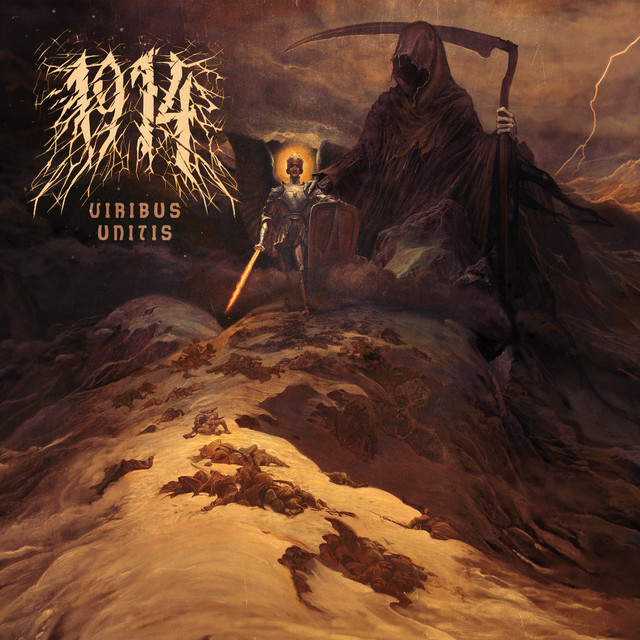
Viribus Unitis (2025)
Featured Groove Metal Album
Hydra (2025)
Featured Artist with an Upcoming Show
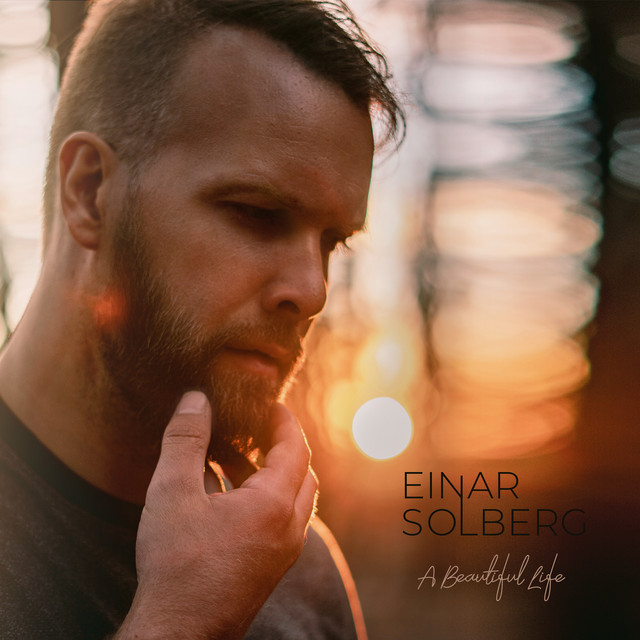
Featured Thrash Metal Album
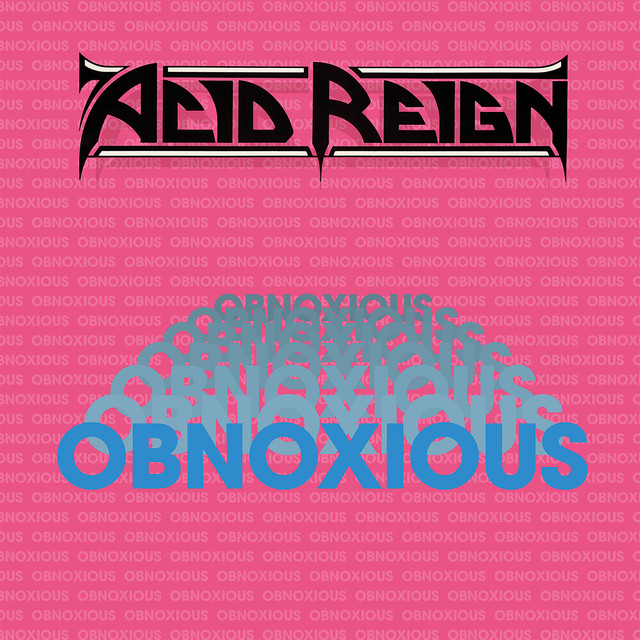
Obnoxious (2022)
Featured Artist with an Upcoming Show
Browse European Metal Bands
54 bands found
I, Doris formed in London in 2017 as a collective punk and post-punk project built around wit, feminist anger, and lived adult experience rarely centered in guitar music. On stage, the members all perform as Doris, turning the band into a shared identity rather than a conventional personality vehicle. Their music has been described through terms like mummycore, menopausecore, kitchen punk, and riot pop, but beneath the jokes is a sharp, melodic punk band with a strong sense of purpose. Songs such as "HRT," "In The Ladies," "Wonderwomen," and "Superduperdoris" use bright hooks, gang vocals, bass-driven grooves, and playful arrangements to address sexism, motherhood, aging, healthcare, solidarity, and everyday resistance. The band's connection to the wider DIY punk and LOUD WOMEN community gives their work a communal charge, with songs often designed to be funny, cathartic, and politically pointed at the same time. I, Doris are strongest when they make serious frustrations sound like a party starting in the next room: irreverent, inclusive, and unafraid to turn domestic detail into punk-rock ammunition.
IDLES formed in Bristol in 2009 and became one of the most prominent modern post-punk bands by turning repetition, abrasion, and communal shouting into a public language of grief, anger, and solidarity. Brutalism introduced the band's blunt force, but Joy as an Act of Resistance made them a wider cultural presence, with Joe Talbot's vocals confronting masculinity, class, immigration, loss, and empathy over Adam Devonshire's bass and the twin-guitar scrape of Mark Bowen and Lee Kiernan. Ultra Mono sharpened the attack into something almost percussive, while Crawler and Tangk showed more space, groove, vulnerability, and studio experimentation. IDLES are not metal, but they fit the accepted post-punk, punk, and noise-rock scope through volume, aggression, and the physical intensity of their live shows. Their best songs work because the slogans are not separate from the sound; the repetition becomes part of the argument. IDLES can be messy, tender, funny, and confrontational in the same set, making heaviness feel social rather than purely musical. The result is punk as pressure, conversation, and release.
Kid Kapichi formed in Hastings and built a reputation on sharp British alternative rock that pulls from punk, post-punk, garage rock, and working-class social frustration. Early material led into This Time Next Year, an album that introduced the band's combination of chant-ready hooks, thick guitars, and lyrics about boredom, austerity, masculinity, and everyday pressure. Here's What You Could Have Won expanded the band's reach with tracks such as "New England," featuring Bob Vylan, and There Goes the Neighbourhood continued the focus on social commentary while tightening the songwriting for larger stages. Kid Kapichi are not a metal band, but they fit punk and hard-rock-adjacent scope through riff weight, sneering vocals, and live force. Their music often works like a pub argument made rhythmic: direct, funny, irritated, and designed to be shouted back. What keeps the band from becoming one-note is the precision of the hooks and the sense that the anger is located in real places, not vague branding. Kid Kapichi's best songs make frustration communal without turning it into empty slogan rock.
KSU emerged in Ustrzyki Dolne in the late 1970s and became one of the foundational bands in Polish punk rock. The group's name came from the local vehicle registration prefix, tying the band directly to its Bieszczady roots. Built around Eugeniusz "Siczka" Olejarczyk, KSU started by absorbing Western rock and punk broadcasts, then turned that influence into direct, rebellious songs shaped by local frustration, youth culture, and the restrictions of life in communist-era Poland. The band's early years were marked by unstable conditions, censorship, lineup changes, and limited access to recording, but its reputation grew through concerts and circulated recordings. Pod prad, released in 1988, became a key document of Polish punk, with songs that remained staples of the scene. Over time KSU's music widened from raw punk into a broader rock sound while keeping its defiant character. Decades later, the band remains closely associated with Polish punk history, regional identity, and songs that speak from the perspective of outsiders and working people.
Lambrini Girls are a Brighton punk band whose music uses volume, sarcasm, and direct confrontation as tools rather than decoration. Built around Phoebe Lunny and Lilly Macieira, the group makes short, abrasive songs that take aim at misogyny, queerphobia, class contempt, corporate culture, and the exhausting performance of respectability. Early singles and the You're Welcome EP introduced their mix of blown-out bass, jagged guitar, shouted vocals, and comedy sharpened into anger. Who Let the Dogs Out pushed the band to a wider audience while keeping the same sense of attack, with songs that feel written for small rooms where the distance between stage and crowd collapses. Lambrini Girls are not metal, but they fit the accepted punk, post-punk, and noise-rock scope clearly. Their heaviness comes from friction: distorted low end, sneered phrasing, confrontational pacing, and the refusal to let discomfort stay polite. At their best, Lambrini Girls sound like a band turning social exhaustion into a weapon, where every joke has teeth and every chorus is built to kick back.
Leniwiec are a Polish punk rock band from Jelenia Gora whose music combines punk, ska, reggae, and folk-accented energy into a long-running regional voice. Active since the mid-1990s, the group became part of Poland's post-communist punk landscape, writing songs that move between social commentary, humor, anti-authoritarian feeling, and upbeat stage-ready movement. Their sound is not built on metal heaviness, but it fits accepted scope through actual punk rock and ska punk. Guitars carry simple, direct force, horns and offbeat rhythms add bounce, and the vocals often give the songs a communal quality that works well in festival and club settings. Leniwiec's endurance matters because Polish punk developed through very specific local pressures, from political change to DIY touring networks and regional festival culture. The band has kept working through those shifts rather than existing as a short-lived scene artifact. Their catalog shows how punk can absorb reggae, ska, and folk without becoming soft, especially when the songs keep their forward drive and social bite. Leniwiec are best understood as a practical, road-tested punk band: direct, melodic, politically aware, and built around the idea that loud music can still be accessible and collective.
Nova Twins are a London duo formed by Amy Love and Georgia South, and their music makes heavy rock feel futuristic without abandoning the body impact of riffs. Their sound is built from live guitar and bass pushed through pedalboards until they resemble synths, sirens, sub-bass drops, and industrial machinery. Who Are the Girls? introduced the duo's collision of punk energy, grime attitude, alternative metal, and distorted pop hooks, while Supernova made the attack sharper and more political, tying swagger to identity, race, gender, and scene exclusion. Parasites & Butterflies expanded the emotional range without smoothing away the abrasion, showing how chaos and vulnerability can sit inside the same track. Nova Twins' importance in modern heavy music comes from refusing the usual divide between rock instrumentation and bass-music production. The riffs are real, the grooves are confrontational, and the hooks are immediate, but the textures feel self-invented. Their songs work because every sound seems designed to be both a weapon and a signature.
Panic Shack are a Cardiff punk band whose songs turn irritation, friendship, social pressure, and everyday absurdity into sharp, funny, fast-moving guitar music. Formed in 2018, the group came through the Welsh DIY scene with a sound that favors wiry riffs, shouted hooks, deadpan humor, and the kind of gang energy that makes small venues feel like pressure cookers. Their singles and self-titled debut material lean into punk's directness while leaving room for indie rock melody and conversational bite. Panic Shack write songs that often sound like arguments overheard on a night out, full of personality and quick turns rather than polished detachment. The band fits accepted scope through punk rock and garage punk, with a feminist and working-friendship edge that gives the music its character. Their performances have become a major part of their reputation, using choreography, crowd contact, and chaotic charm without losing the songs underneath. Panic Shack's strength is that they make punk feel local, current, and socially observant. The music is scrappy by design, but the hooks are deliberate, and the humor lands because the frustration behind it feels real.
Pull The Wire are a Polish punk rock band from Zyrardow, active since 2006 and known for a loud, melodic, socially observant take on punk. Their music draws from California punk, British punk tradition, and Polish guitar-driven underground rock, combining fast tempos, direct riffs, chantable choruses, and lyrics sung in Polish. The band's early years included demos, festival contests, and growing recognition around the 2014 debut W Polsce jest ogien, followed by appearances connected to the Woodstock and Pol'and'Rock circuit. Later records such as Negatyw, Sztuka Przemijania, and Zycie to western expanded the band's voice, mixing humor, bitterness, everyday frustration, and reflective storytelling. Pull The Wire's lineup evolved over time, including a shift that moved Marszal into the lead vocal role while retaining guitar duties. The band's identity is strongly live-oriented: energetic, conversational, and built for club crowds and festival singalongs rather than detached studio polish.
Enter the Inferno
View all threads →Frequently asked questions
European Metal Index indexes hundreds of European heavy metal bands across every subgenre — death metal, black metal, thrash metal, doom metal, metalcore, hardcore punk, grindcore, sludge, stoner metal, and more. Browse heavy metal bands by genre, city, or state.
Yes — browse European death metal bands in our index. Filter by genre to find death metal, technical death metal, and melodic death metal bands. We also index black metal, thrash metal, doom metal, and all heavy metal bands.
Use the genre filter to browse European black metal bands. We index black metal, atmospheric black metal, and related subgenres alongside death metal, thrash metal, doom metal, and all heavy metal bands.
Browse our index for European thrash metal bands. Filter by genre to discover thrash metal, crossover thrash, and speed metal bands. Our index covers all heavy metal bands including death metal, black metal, doom, and metalcore.
Yes — we index metalcore bands, doom metal bands, and every heavy metal subgenre. Browse European metalcore, doom metal, sludge metal, stoner metal, progressive metal, power metal, and more.
Yes — browse European hardcore punk bands alongside heavy metal bands. We cover hardcore punk, crust punk, D-beat, grindcore, metalcore, and all heavy music subgenres.
Filter by city and state to find heavy metal bands near you. Each band page includes streaming links, genre tags, and upcoming metal concerts. Discover death metal, black metal, thrash, doom, and all heavy metal bands in your area.
Visit our shows page for European metal concerts — death metal shows, black metal concerts, thrash metal shows, doom concerts, and all heavy metal events. Updated daily with ticket links from Ticketmaster and SeatGeek.
European Metal Index is an index of European heavy metal bands — death metal, black metal, thrash metal, doom metal, metalcore, hardcore punk, and all heavy music. Browse bands by genre, find metal concerts near you, and discover the European metal scene.