A Fallen Drummer, a Billion Streams, and What Metal's Big Numbers Still Can't Explain
Some weeks in metal news remind you why this genre exists in the first place — not the streaming milestones or the tour routing spreadsheets, but the raw, physical, occasionally devastating reality of playing music live. This week, that reminder came in the worst possible way: a drummer collapsed onto his own kit mid-performance at a rock festival and did not survive. A witness who rushed the stage described the moment bluntly:
"I rushed towards him, but I could sense that he was already gone."There's no clean way to write about something like this, and we won't pretend otherwise. But it's worth saying plainly, for readers across the European metal scene who spend their summers hopping between festival grounds: the stage is not a neutral space. Every band that grinds through a punishing touring schedule, every festival that books three stages running twelve hours a day, is asking human bodies to do something extraome. It's a sobering note to carry into a season where upcoming shows across the continent are already stacking up for autumn and well into 2026.
Pantera, Metallica, and the Long Shadow of a European Summer
On a lighter note, Pantera bassist Rex Brown has been reflecting on his band's ongoing run supporting Metallica on the "M72" tour, a trek that has spent serious time on European soil across stadiums and festival stages alike. Speaking on The Bass Nerds podcast, Brown didn't hide his gratitude for the gig, calling it:
"an honor to be on for a whole three and a half years."Three and a half years is an eternity in touring terms, and it says something about how the European market still anchors these mega-tours — cities that hosted Metallica and Pantera separately in the 80s and 90s now get to see both legacies collide on the same bill. For anyone who grew up on cassette dubs of classic thrash, watching Brown still out there representing Dimebag Darrell Abbott's band decades on hits different. Speaking of Dimebag, the second wave of his ReAction figures just landed, each one bundled with an exclusive signature guitar pick — a small, slightly absurd, entirely lovable piece of merch culture that keeps his memory circulating through a generation of fans who never got to see him play. It's the kind of collectible that tends to move fast at European metal conventions and record shop counters alike.
Limp Bizkit's Billion-Stream Club and Nu-Metal's Stubborn European Afterlife
Meanwhile, Limp Bizkit's "Rollin' (Air Raid Vehicle)" just crossed one billion plays on Spotify, becoming the band's second track to hit that number. Say what you want about nu-metal's critical reputation, but the streaming numbers tell a different story — one where a genre that was supposedly buried in the early 2000s keeps getting rediscovered by algorithmic playlists and TikTok clips. European festivals have leaned into this for years, booking early-2000s nu-metal and rap-metal acts as nostalgia headliners that somehow always draw a packed field. It's part of a broader pattern worth tracking heading into 2026: festival bookers everywhere are mixing genres far more aggressively than the old "metal tent vs. main stage" divide used to allow. Look at the newly announced 2026 Gods Of Chaos bill in the US, which throws Speed, Big Ass Truck I.E., and Chamber onto the same lineup as OsamaSon and Waka Flocka Flame — a booking philosophy that would have been unthinkable a decade ago. European festivals have been quietly doing versions of this for a while, and it's fair to expect more genre-blurring bills as promoters chase younger, more genre-agnostic audiences in the year ahead.
Weather, Delays, and the Reality of Festival Logistics
Even outside the metal world, this week's festival news carried a familiar theme: Lollapalooza's Chicago weekend saw its Saturday lineup pushed back by severe weather, a reminder that no amount of production budget can fully insulate a festival from the elements. European metal fans know this dance well — muddy fields, delayed set times, the occasional evacuation order mid-set. It's part of the ritual now, arguably as much a part of the festival experience as the music itself, for better or worse.
Where the Underground Keeps Building
Away from the big stages and the streaming milestones, the actual engine of the European metal scene keeps running on smaller, stranger, more personal releases — the ones that don't come with billion-play counters attached but matter just as much to the people making them. Two bands worth flagging right now are the heavy/stoner metal outfit Thel and the progressive metal project Gone, both representative of exactly the kind of homegrown work this index exists to track. Thel's pull toward riff-heavy, downtuned stoner metal sits comfortably alongside the wider European fascination with fuzzed-out, groove-driven heaviness, while Gone's progressive leanings speak to a scene that's never stopped chasing technical ambition even as trend cycles come and go. Neither band needs a billion streams or a stadium slot to matter — they need ears, and that's exactly what a healthy regional scene is supposed to provide.
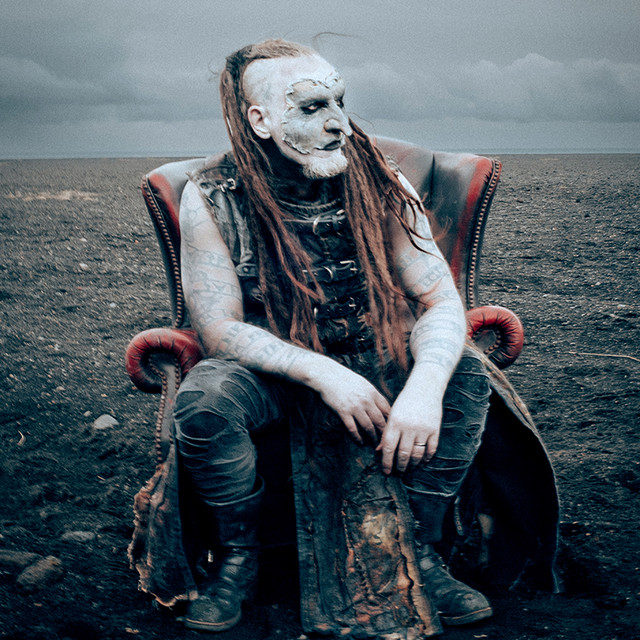
It's the same spirit that keeps acts like Norwegian industrial metal architect Mortiis relevant decades into a genre-defying career, or that keeps grindcore/death metal unit Raised by Owls grinding away in the DIY circuit that never asked permission to exist. And it's worth remembering that the current crop of massive package tours — the In Flames and Trivium runs, the Metallica stadium treks — all started somewhere much smaller, often on exactly the kind of stage where a band like Thel or Gone might be playing to forty people on a Tuesday night right now. If you're trying to figure out which of the new metal bands 2026 will actually break through, that's usually where you find the answer: not in the streaming charts, but in a sweaty basement venue somewhere between Ghent and Gothenburg.
The 80s Never Really Left
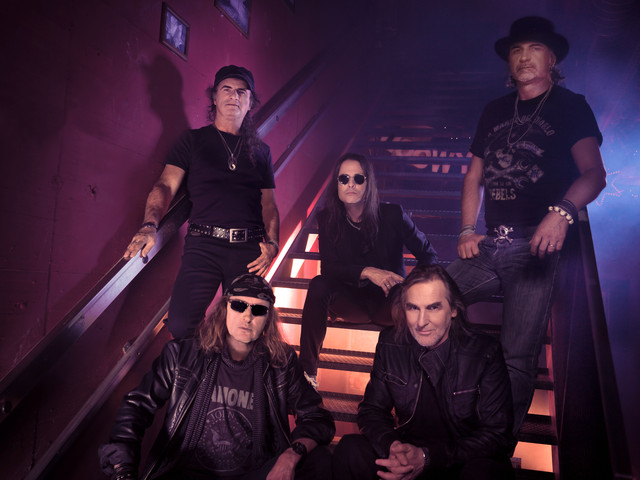
It's also worth pausing on how much of this week's news orbits, directly or indirectly, around bands that trace their DNA back to the 80s metal bands who built the genre's touring infrastructure in the first place. Metallica's stadium dominance, Pantera's genre-defining groove, even the merch culture around Dimebag Darrell — all of it descends from a European and American 80s metal scene that treated the live show as the ultimate proof of a band's worth. Acts like Swiss heavy metal veterans Krokus were part of that same era, grinding out European club and arena circuits long before "legacy act" was a marketing category. That lineage matters because it explains why this week's tragic festival news lands so hard — the entire culture is built on the premise that live performance is where metal proves itself, night after night, city after city, regardless of how the music charts online.
What to Watch Heading Into 2026
Between massive package tours locking in years ahead of schedule, nu-metal classics still racking up billion-play milestones, and festival bookers throwing genre convention out the window, the European metal scene is entering 2026 in an oddly contradictory state — simultaneously more commercially secure and more unpredictable than it's been in years. The big names keep filling stadiums. The underground keeps quietly producing the bands that will eventually replace them. And every so often, a moment like this week's festival tragedy reminds everyone involved — bands, crews, fans — exactly what's at stake every time someone walks out on stage.
If you're in a band building toward that future, whether you're chasing the best heavy metal songs of your own catalogue or just trying to get your first regional support slot, our upcoming shows listings and our open call to submit your band remain the easiest way to get on our radar. The scene doesn't run on billion-stream milestones alone — it runs on the bands willing to show up and play, week after week, wherever the stage happens to be.