Sid Wilson's Deleted Exit, Dee Snider's War of Words, and the European Underground That Keeps Grinding On
Some weeks the biggest metal story isn't a release date or a festival lineup — it's a deleted Instagram post. That's exactly what happened this week when Slipknot officially confirmed, then scrubbed within minutes, an announcement that Sid Wilson had parted ways with the band after 28 years behind the turntables and sample pads. For a European scene that has watched Wilson leap off scaffolding at Download, Hellfest, and half the continent's biggest festival stages since the early 2000s, the news lands harder than it might elsewhere. Slipknot isn't just an American import here — they're practically festival infrastructure, headlining slots that anchor entire weekends from Wacken to Graspop. A lineup change of this magnitude inevitably ripples into next year's booking conversations, and it's a safe bet that promoters across the region are already recalculating what a post-Wilson Slipknot means for 2026 routing.
The band's brief statement — thanking Wilson and wishing him well before pulling it entirely — has fueled more speculation than a fully worded press release ever could. Whether the deletion was a legal precaution, a PR misstep, or simply a band still figuring out how to talk about a fracture almost three decades in the making, it's a reminder that even the biggest names in metal are not immune to the same chaotic, unfiltered social media cycle that smaller European bands navigate every day when they announce a lineup change to a few hundred followers instead of a few million.
Snider vs. Osbourne: A Reminder That the Old Guard Still Bites
Meanwhile, a very different kind of generational drama has been playing out between two names synonymous with the golden era of 80s metal bands. Dee Snider's comments questioning how much of Ozzy Osbourne's songwriting credit was truly his own didn't sit well with Kelly Osbourne, who fired back publicly, writing:
"In the immortal spirit of Will Smith keep my father's name out your f*cking mouth"
She went further, calling Snider's remarks "spectacularly classless" and accusing him of trying to diminish her father's abilities and achievements — even taking aim at a pointed comment Snider made about Sharon Osbourne's role as manager. It's messy, it's personal, and it's exactly the kind of feud that reopens old debates about who actually writes the best heavy metal songs versus who simply fronts them. For European fans who grew up on both Twisted Sister and Black Sabbath in equal measure, watching two of the genre's elder statesmen (or their families) trade blows in public is uncomfortable, but it also underlines something true: the legacy generation isn't done talking, even when the conversation turns ugly.
The Quiet Business of Getting Discovered
Away from the drama, there's a quieter but arguably more important story unfolding this week — the kind that matters more to working bands than to headline writers. Southern California's Stryfe signed a distribution deal with Candlepower Records ahead of their new single "Breathe", while Carla Harvey's post-Butcher Babies project The Violent Hour, featuring Anthrax's Charlie Benante, dropped "Screenager" and locked in 2026 festival dates. These aren't massive label signings or arena announcements — they're the unglamorous, essential mechanics of how bands actually survive: distribution deals, single rollouts, and festival slots booked a year in advance.
It's a model that applies just as directly to Europe's own underground, where hundreds of bands are doing the same grind without the benefit of a recognizable surname in the lineup. If there's a lesson in watching Stryfe strike a distribution deal or The Violent Hour lock in festival dates, it's that visibility doesn't happen by accident — it's built single by single, deal by deal. That's precisely the gap platforms like this index exist to close, and if you're in a band putting in that same work without the coverage to match, you can submit your band and get on our radar.
Legacy Musicians, New Vessels
There's also a broader trend worth noting in how veteran musicians keep finding new outlets rather than resting on old catalogues. Waylon Reavis, formerly of Mushroomhead, used his A Killer's Confession project to reimagine The Weeknd's "Blinding Lights" as a stripped-down alt-metal cut — a genre-crossing move that would have seemed unthinkable a decade ago but now barely raises an eyebrow. Alexisonfire's Chris Cresswell guesting on Dead Tired's "The Pull" video, timed to their new album "Hornets Of The Fall", is another example of hardcore and post-hardcore veterans cross-pollinating rather than staying in their lanes. European bands working in adjacent post-hardcore and alternative metal spaces — acts like Charlotte-via-UK post-hardcore act As It Is — sit squarely within that same lineage of blending melodic accessibility with heavier roots, even as the American headlines dominate this particular news cycle.
Where Europe's Underground Still Goes Uncovered
It's worth pausing on genres that dominate this region's band count but rarely get the column inches they deserve. Raw Black Metal alone accounts for well over five hundred active bands across the European metal scene in our index, yet mainstream coverage almost never touches it. The same is true of Melodic Black Metal, Post-Metal, Pagan Metal, and Experimental output — genres with real, sustained scenes but almost no press attention outside of dedicated zines and forums.
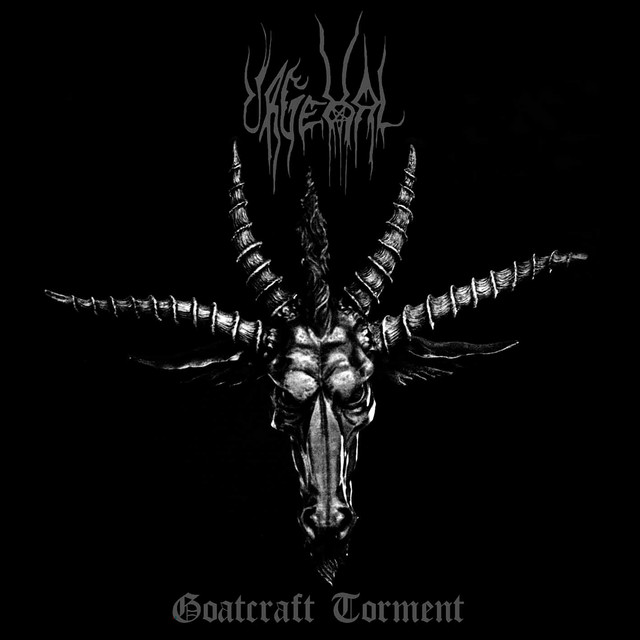
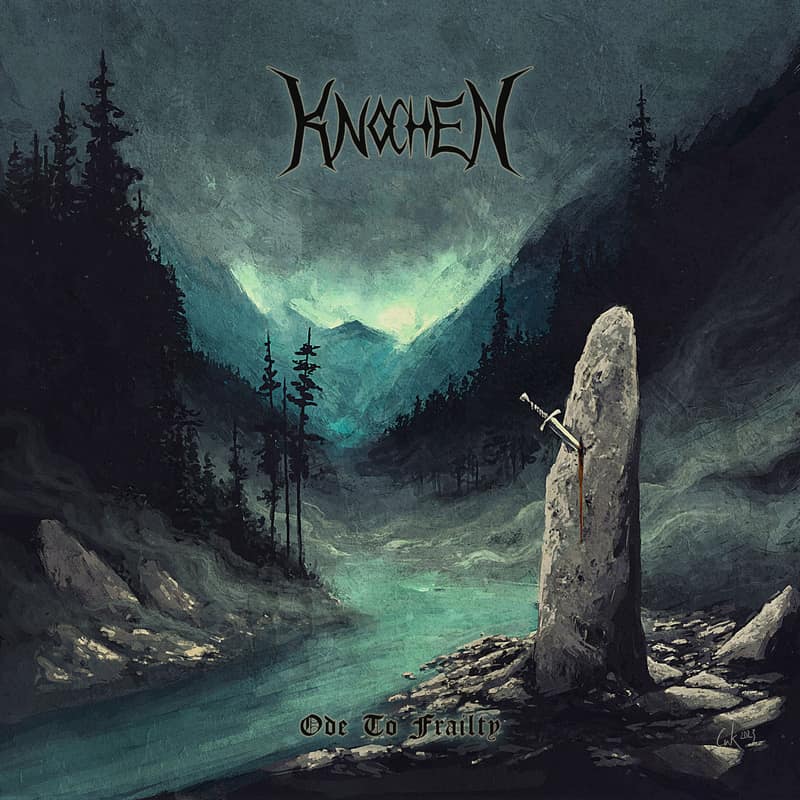
That underground is very much alive. Norwegian black metal veterans Urgehal helped define the genre's second-wave ferocity decades ago and remain a reference point for newer acts. On the rawer, more atmospheric end of the spectrum, bands like raw black metal outfit Knochen, black metal act Mystic Death, black metal project Regn, and black metal band Threnodia continue building on that tradition with the kind of uncompromising, low-fidelity aesthetic that defines the raw black metal underground — a scene that rarely gets a headline but never stops releasing records.
On the extremity front, the grindcore and death metal underground remains just as fertile. Finnish death metal and grindcore unit Concrete Winds have built a reputation on relentless, blown-out aggression, while UK death metal outfit Vacuous continues to represent the region's technical, atmosphere-heavy death metal wing. These are the bands that rarely trend on social media the way a Slipknot statement does, but they're arguably where the region's most vital, uncompromising work is happening right now.
Looking Toward 2026
Between Fuel's new single "Pull Me In" teasing their upcoming album "Pendulum", Lockslip's debut record "The Conversation" due in November with guest spots from members of Nails and Thirdface, and Brother's Keeper returning with their first new track in 23 years, it's clear the back half of 2025 is setting up an unusually packed run into next year. Add in Evergreen Terrace filming a video in Berlin for "Bolt Cutter" and Misfire hitting the road with Raider, and the connective tissue between the American underground and European stages is only getting tighter — bands are recording here, touring here, and building fanbases here in ways that make the "regional scene" framing feel increasingly porous.
As always, the best way to track which of these threads actually matters for the region is to watch who's routing through Europe next. For a full look at who's confirmed and where, check our constantly updated upcoming shows listings — because between legacy feuds, deleted announcements, and a raw black metal underground that refuses to disappear, there's rarely a dull week in European metal.