From The O2 to Birmingham: Europe's Metal Week Bridges Its Founding Fathers and Its Death Metal Underground
There's something fitting about kicking off a week of metal news in London and ending it in Birmingham — the two cities bookend the story of how heavy music got here in the first place, and this week both got a reminder of why the continent still matters more than any other region on the metal map.
Wednesday night at The O2 Arena, Hollywood Vampires opened their first European tour in more than three years with a surprise guest that had the crowd losing its collective mind: Rolling Stones guitarist Ronnie Wood joined Alice Cooper and company onstage for the tour kickoff. It's a reminder that the UK still functions as ground zero for rock spectacle, the kind of show where septuagenarian legends trade solos and nobody in the building cares that half the band could collect a pension. For a project literally named after the drinking club Cooper ran with John Lennon and Keith Moon in the early '70s, having a Stone wander out mid-set isn't nostalgia bait — it's the closest thing rock has to institutional memory made flesh.
Birmingham Remembers Its Architect
Speaking of institutional memory: next month, Tony Iommi will sit down at the Royal Birmingham Conservatoire to discuss his life in music, and if you want a single event that captures why this region's metal scene punches so far above its population, this is it. Birmingham isn't just where Black Sabbath happened to form — it's the industrial backdrop that gave the riff its weight in the first place. Iommi's severed fingertips, the down-tuned strings, the factory-floor doom of those early records — all of it came out of a specific postwar British city, and it's still paying dividends fifty-plus years later.
Events like this matter beyond the sentimental value. When people talk about the best metal albums of all time, Sabbath's self-titled debut and Paranoid are never far from the conversation, and every band operating in doom, sludge, or straight-up heavy metal across this continent today is working in a lineage Iommi effectively invented with a broken hand and a detuned Gibson. It's worth remembering that the 80s metal bands who built entire subgenres in Sabbath's shadow — and the countless European acts still mining that same tonal weight — owe their existence to a Birmingham factory accident. Doom and sludge acts like Kashchey and atmospheric doom/black hybrids like Morgen Mist are, whether they'd frame it this way or not, still cashing that same check.
Old Wounds: Rikki Rockett and the Genre Wars That Never Really Ended
Poison drummer Rikki Rockett dropped an interesting bit of history on the Beardo & Weirdo podcast this week, recalling how 1980s rock media deliberately manufactured beef between glam metal and thrash metal — pitting bands like Poison against Metallica for headlines and readership, even when the musicians themselves often didn't buy into the rivalry. It's a small anecdote, but it lands differently in 2026, when the European scene is arguably more fractured by genre tribalism than it's been in decades. Black metal purists, deathcore converts, and doom traditionalists rarely occupy the same festival bill, let alone the same conversation — and a lot of that separation gets reinforced by algorithm-driven media just as much as it was by print magazines forty years ago.
The lesson from Rockett's story isn't that genre rivalries are fake — it's that they're often manufactured, and the bands themselves usually know better than the press does.
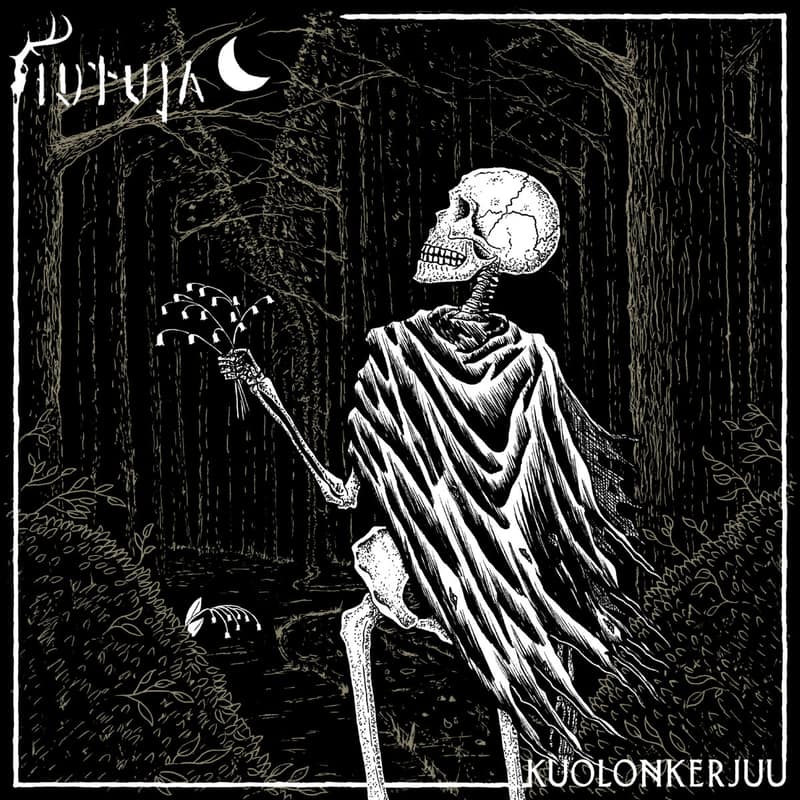
That's a useful frame for anyone trying to make sense of the European metal scene right now, where a band like power/symphonic act Endeavour and a raw black metal project like Riutuja have almost nothing in common sonically but are drawing from the exact same well of DIY infrastructure — small labels, regional promoters, word of mouth — that's kept the underground alive since before either genre had a name.
Deathcore's Loudest Ambassador Just Went Viral Again
Elsewhere, Slaughter to Prevail's Alex Terrible dropped a full deathcore cover of Korn's "Freak on a Leash" this week, and the internet did exactly what it does whenever he opens his mouth. The cover reportedly surprised Korn's own Brian "Head" Welch, which tells you everything about how far deathcore vocal technique has evolved since nu-metal's original wave. Terrible's rendition isn't a novelty — it's a genuine flex of range, and it's a good excuse to talk about how much ground deathcore and brutal death metal have covered across Europe in the last few years.
This is exactly the kind of moment where the region's own death metal and deathcore underground deserves a spotlight. UK brutal death metal outfit Ingested has been building an international reputation on the same combination of technical brutality and vocal extremity that made Terrible's cover blow up. Danish death metal band Baest and French technical death metal act Gorod occupy similarly punishing lanes, proving that the continent doesn't need to import extremity — it's been exporting it for years.
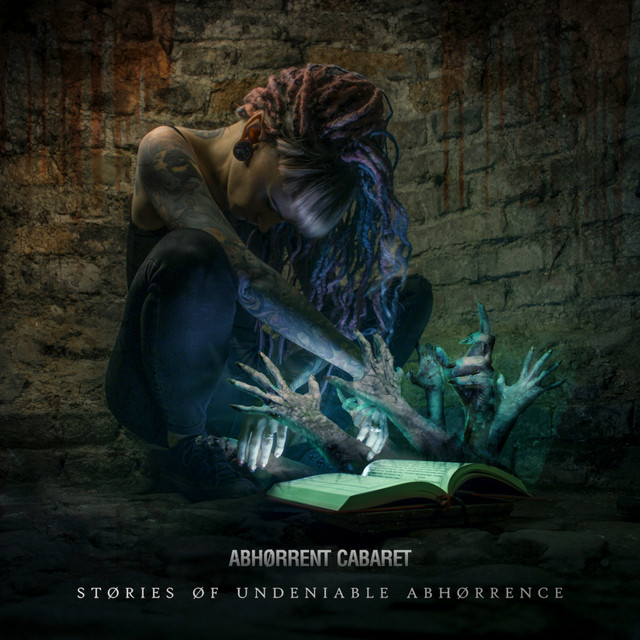
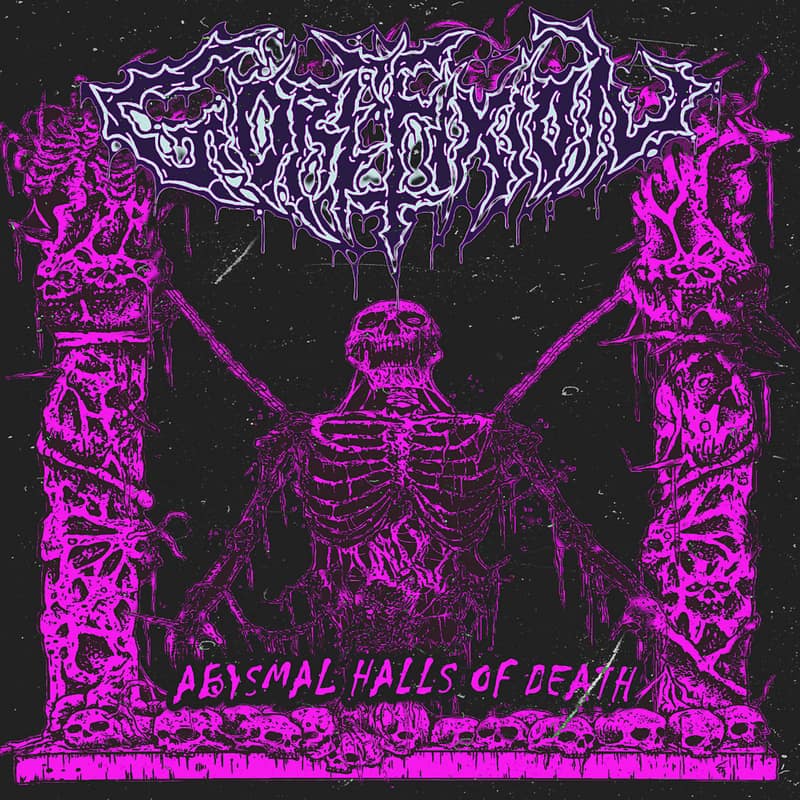
Deeper in the index, there's no shortage of bands carrying that same weight without the streaming numbers to match. Death metal acts like Nakka, Merihim, and DeathCollector are grinding through the same regional circuits, while brutal death metal and grindcore hybrids like Kransys, Abhorrent Cabaret, and Gorefixion keep pushing the genre's technical ceiling higher without ever leaving the underground venue circuit. If you're wondering what new metal bands 2026 might be worth watching once the deathcore hype cycle inevitably shifts to something else, this tier of the scene is exactly where to look.
The Founding Fathers Are Still Fighting
Meanwhile, in a reminder that death metal's origin story is nowhere near settled business, former Death and Massacre bassist Terry Butler used a recent interview with Loud And Proud Italy to make it unambiguously clear he and Rick Rozz have no intention of ever working with Kam Lee again, calling him "toxic." The comments came while Butler was promoting Left to Die's debut album Initium Mortis, out via Relapse Records — a project built explicitly on the classic Death and Massacre lineage.
It's a messy, very human footnote to a genre that's spent the better part of forty years canonizing its founders as untouchable legends. But it's also a useful counterweight to all the tribute shows and legacy reissues: death metal's first generation is still made up of actual people with actual grudges, not museum pieces. For a genre whose entire identity is built on discomfort, that kind of unresolved tension feels almost appropriate.

What This Means For The Region
Taken together, this week's headlines sketch out a European metal scene operating on two tracks simultaneously. On one side, you've got heritage acts and their offshoots — Hollywood Vampires at The O2, Iommi in Birmingham, Poison-era war stories getting relitigated on podcasts — reminding everyone why this continent still gets treated as metal's ancestral home. On the other, you've got a death metal and deathcore underground that doesn't need the legacy acts' permission to keep evolving, whether that's Alex Terrible reinventing a nu-metal classic or a hundred smaller bands across the index grinding out material in genres — raw black metal, melodic black metal, post-metal, pagan metal — that still don't get anywhere near enough press coverage relative to how many bands are actually working in them.
If there's a throughline here, it's that the best metal bands, whether they're arena headliners or unsigned regional acts, tend to succeed for the same reason: they ignore the manufactured rivalries and just make the music they want to make. That's true of the 80s metal bands Rockett was talking about, and it's true of whoever's rehearsing in a basement somewhere in the region right now, working on the record that might define the scene's next chapter.
As always, if your band has news, a release, or a tour announcement that belongs in this conversation, check the upcoming shows listings for the region or go ahead and submit your band for coverage. The underground doesn't wait for the algorithm to notice it — it just keeps playing.