Frontmen, Legends, and the Long Goodbye: Europe's Metal Scene Grapples With Its Touring Realities
There's a particular kind of dread that ripples through the European touring circuit when a legacy act pulls the plug mid-run. This week it's Rose Tattoo. The Australian hard rock institution has canceled the remainder of its summer 2026 European tour after frontman Gary "Angry" Anderson was sidelined by what the band described only as a "medical issue." For a group that's been synonymous with raw, unpolished rock swagger since the late 1970s, the cancellation lands as more than just a scheduling headache — it's a reminder of how fragile these touring machines are once you strip away the myth and look at the humans running them.
European promoters and fans alike have grown used to this pattern over the last few summers: veteran bands booking ambitious continental runs, only for age, illness, or sheer physical exhaustion to intervene. It doesn't diminish the music. If anything, it sharpens the urgency around catching these bands live while you still can, whether that's at a festival stage in Germany or a club date in the Benelux. The European metal scene has always had a complicated, loving relationship with its elder statesmen, and moments like this force everyone — bands, agents, and audiences — to reckon with the math of touring in your seventies.
Avatar's Metallica Moment and What It Means for the Scene
On a considerably brighter note, Swedish theatrical metal outfit Avatar had a genuinely surreal week. Frontman Johannes Eckerström discussed the band's spring/summer 2026 stint opening for Metallica across Europe, revealing that the American giants had publicly praised Avatar for "raising the bar" on the tour. Eckerström called it "a total bizarre childhood dream version of success," and it's hard not to read that as a genuine, unguarded reaction rather than industry spin.
This matters beyond the novelty of a nice compliment. Support slots on stadium tours are one of the few remaining pipelines that reliably push a European act into a wider international consciousness, and Avatar's trajectory — theatrical, unapologetically weird, built over two decades of grinding — is exactly the kind of story the region's scene needs more of. If you're trying to make the case that new metal bands 2026 audiences should be paying attention to aren't just algorithm-fed TikTok acts but bands who've put in the work on stages across Scandinavia and beyond, Avatar is Exhibit A.
Danko Jones Isn't Interested in Reinventing the Wheel
Elsewhere, Danko Jones — the Canadian power trio that's spent years crisscrossing European rock clubs and festivals — offered a refreshingly blunt take on where the band's next record is headed. In conversation with Metal Exposure, frontman Danko Jones stated plainly that the new album will "sound like the last one," adding, "we're not gonna evolve." It's a stance that flies directly against the usual press-cycle language about growth and reinvention, and there's something almost punk about the honesty of it.
"We're not gonna evolve."
Whether you find that admirable consistency or creative stagnation probably depends on how you feel about bands that have found their lane and refuse to leave it. But there's a case to be made that this kind of stubbornness is part of what makes certain acts reliable festival draws decade after decade. Not every band needs a reinvention arc — sometimes the appeal really is just showing up and delivering the riffs people came for, the same way generations of 80s metal bands built entire careers on doing one thing extremely well.
Ritchie Blackmore's Return: A Reminder of Where It All Started
Speaking of legacy, guitarist Ritchie Blackmore announced he'll join Deep Purple on stage for the first time in more than three decades, at a headlining show in New York this week. Blackmore last performed with the band in 1993, and while this particular reunion is happening stateside, its resonance runs straight through European metal history. Deep Purple is foundational to the entire hard rock and heavy metal lineage that Europe still draws from — you can trace a direct line from Blackmore's riffing to virtually every guitarist who's ever picked up an instrument and tried to write something that belongs on a list of the best heavy metal songs ever recorded.
For European fans who grew up on Deep Purple's catalog as gospel, the idea of Blackmore and the band sharing a stage again — even briefly, even an ocean away — is the kind of news that reopens old debates about which era of the band mattered most, and whether any reunion, however fleeting, can ever recapture what made those early records land on every serious list of the best metal albums of all time.
Rival Sons' Jay Buchanan Keeps the European Momentum Going
Rival Sons frontman Jay Buchanan is capitalizing on a strong run through Europe, announcing a September/October 2026 "Storyteller" tour across the United States built as a follow-up to his sold-out "Weapons Of Beauty" European solo dates from earlier this summer. The stripped-down, intimate acoustic format is a notable departure from Rival Sons' full-band bombast, and the fact that European audiences turned out in force for the stripped-back version says something about how the region's rock and metal fanbase has matured — increasingly willing to show up for a frontman's quieter, more personal project rather than demanding the full arena experience every time.
The Underground Genres Nobody's Talking About — Yet
While the headlines chase legacy reunions and stadium support slots, it's worth pointing a spotlight back toward the corners of the European scene that rarely get this kind of coverage. Depressive black metal, raw black metal, melodic black metal, pagan metal, and post-metal remain some of the most populated genre tags in any serious index of the continent's bands, yet they're consistently underserved by mainstream metal press.
Take depressive black metal outfit Mond, operating in a subgenre built on atmosphere, isolation, and a deliberate rejection of the polish that dominates so much of contemporary metal. It's a style that thrives specifically in Europe's forests and small clubs, far from festival main stages, and it deserves the same critical attention that gets lavished on bigger commercial acts. The same goes for death metal band Rest, part of a European death metal underground that continues to churn out technically punishing, unglamorous records without much fanfare outside dedicated circles.
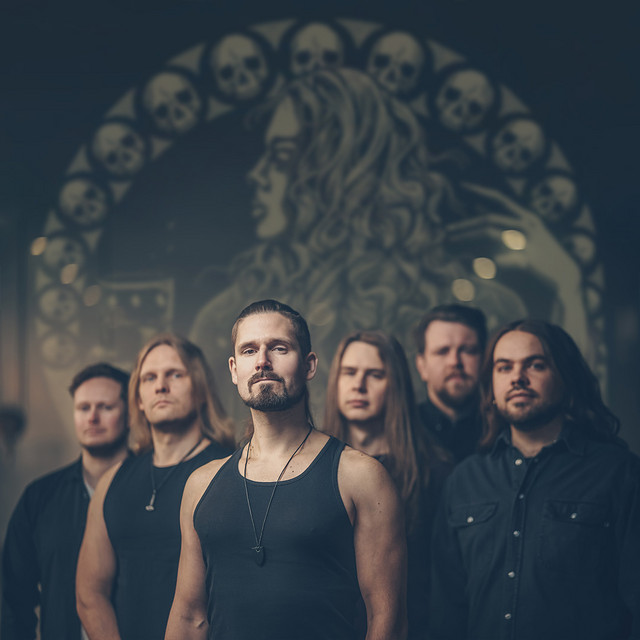
The broader picture here is a scene that's genuinely two-tiered: the visible layer of arena tours, legacy reunions, and Metallica shoutouts, and a much larger, quieter layer of bands working in genres like pagan metal or avant-garde black metal — acts in the vein of German avant-garde black metal group Nocte Obducta or melodic death and power metal crossover band <a href="https://eumetalindex.com/band/gladenfold, err, Gladenfold — that rarely get profiled despite deep, dedicated followings. Death/thrash act Messiah fits that same pattern: genre-blending, unglamorous, and criminally under-covered relative to how long these scenes have actually existed.
Where This Leaves the Rest of Us
Zoom out far enough and this week's news cycle tells a fairly coherent story about the state of European metal in 2026: legacy acts are hitting the physical limits of the road, mid-tier bands like Avatar are proving there's still real upward mobility for acts willing to grind through support slots, and an enormous underground continues to operate almost entirely outside the spotlight. All three of those realities are true simultaneously, and all three deserve coverage.
If you're trying to figure out what to see this year, whether that's catching a dwindling number of remaining dates from an aging rock legend or discovering a new depressive black metal act two towns over, the answer is the same: pay attention to what's actually touring near you, not just what's trending. Check upcoming shows in your region before assuming the good stuff only happens in the big cities, and if your band is out there grinding without the coverage it deserves, submit your band — because the next great story out of this scene probably isn't going to come from a stadium stage.