Anniversary Celebrations and Balkan Symphonic Innovation Drive European Metal's Cultural Renaissance
Europe's metal landscape continues to showcase its rich cultural tapestry as legendary Dutch progressive rock pioneers The Gathering prepare for the finale of their 30th anniversary celebration, while emerging Balkan symphonic metal acts like Bosnia's DOLIA demonstrate how modern European bands are weaving ancient mythology into contemporary extreme music.
Dutch Legends Close Anniversary Chapter in Amsterdam
The Gathering's reunion with their classic 'Mandylion' lineup represents more than nostalgia—it's a testament to European metal's ability to honor its pioneering past while remaining culturally relevant. The announcement of their final anniversary show at Amsterdam's AFAS Live in January 2027 marks the culmination of 29 worldwide performances featuring the album's original configuration, including the return of beloved vocalist Anneke Van Giersbergen.
This celebration highlights the enduring influence of European progressive and atmospheric metal, genres that emerged from the continent's experimental music traditions in the 1990s. The Gathering's approach to blending heavy guitars with ethereal vocals and progressive song structures helped establish a distinctly European alternative to American metal's more aggressive tendencies, influencing countless acts across the continent.
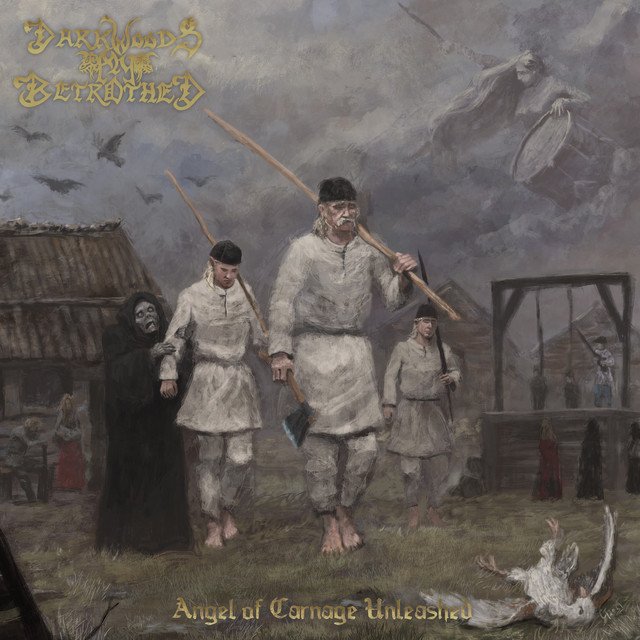
The choice of Amsterdam as the tour's conclusion reinforces the Netherlands' position as a crucial hub for European extreme music innovation. The country's metal scene has consistently produced bands that challenge genre boundaries, from the atmospheric black metal of Finnish black metal pioneers Darkwoods My Betrothed to contemporary progressive acts pushing creative limits.
Balkan Symphonic Metal Embraces Slavic Heritage
Meanwhile, Bosnia's DOLIA represents the new generation of European metal acts drawing inspiration from their cultural roots. Their latest single "Duet" continues a trilogy based on ancient Slavic mythology surrounding the goddess Morana, showcasing how contemporary European metal bands are increasingly incorporating regional folklore and historical narratives into their artistic vision.
Led by vocalist Sara Vojicic, DOLIA's approach to symphonic and progressive metal demonstrates the genre's evolution beyond its traditional Germanic and Scandinavian strongholds. The Balkan region has emerged as a surprising source of innovative extreme music, with bands utilizing local legends and musical traditions to create something distinctly their own while maintaining the technical prowess expected from European metal.
This cultural authenticity resonates with a broader trend across European metal, where bands are rejecting generic themes in favor of deeply personal and regionally specific narratives. The Slavic mythology that DOLIA explores connects modern audiences with pre-Christian European spiritual traditions, creating a bridge between ancient wisdom and contemporary musical expression.
British Alternative Metal Continues Evolution
Across the continent, British alternative rock and post-hardcore act Static Dress continues generating discussion with their "Injury Episode" release, representing the ongoing evolution of UK extreme music beyond traditional heavy metal frameworks. The band's approach to blending emo, post-hardcore, and alternative rock elements reflects Britain's continued innovation in heavy music, decades after pioneering movements like the New Wave of British Heavy Metal.
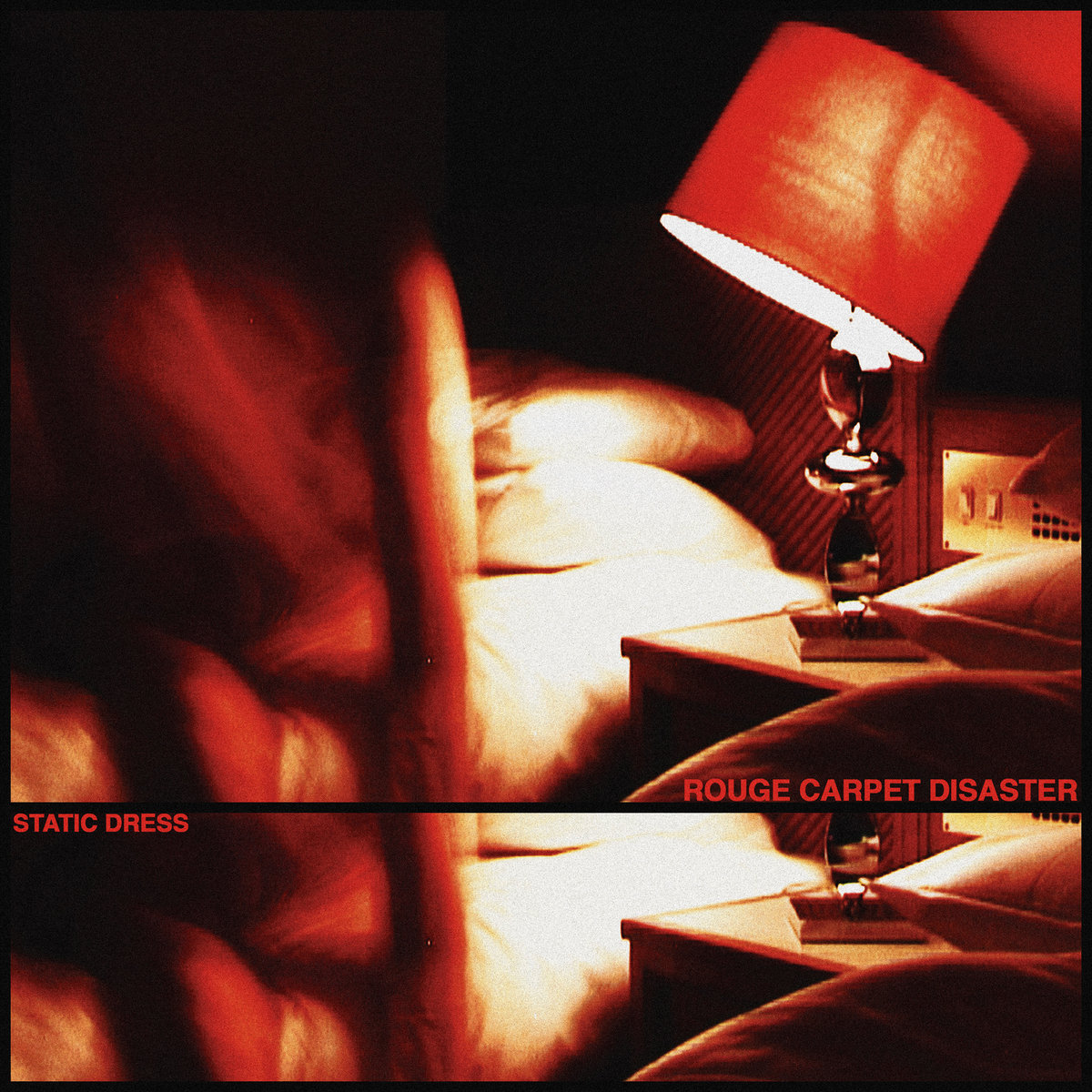
The reception and analysis of Static Dress's work highlights how European metal criticism and journalism have matured, with detailed examinations of albums becoming cultural events in themselves. This level of analytical engagement demonstrates the sophistication of European metal audiences and their demand for music that challenges both technically and emotionally.
Legacy Acts Maintain Creative Momentum
European metal's veteran generation continues defying retirement expectations, with Deep Purple's Don Airey confirming the British legends have no plans to stop performing despite previous farewell announcements. This persistence reflects a broader phenomenon where European metal's founding fathers refuse to surrender the stage, maintaining active creative lives well into their later years.
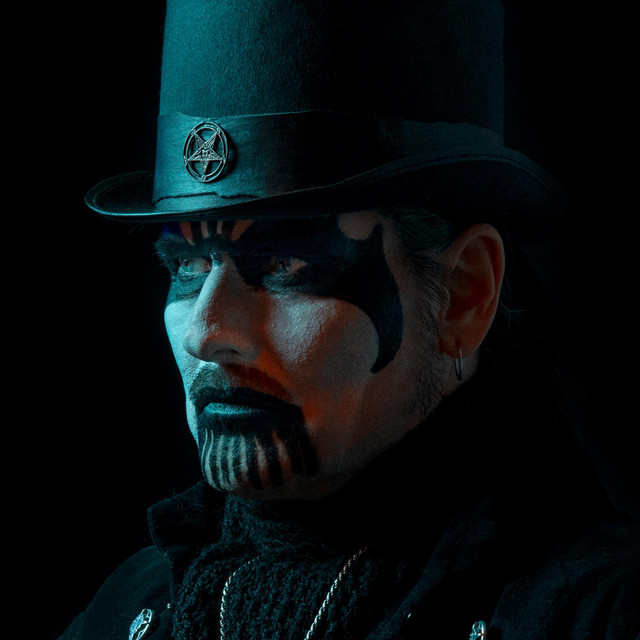
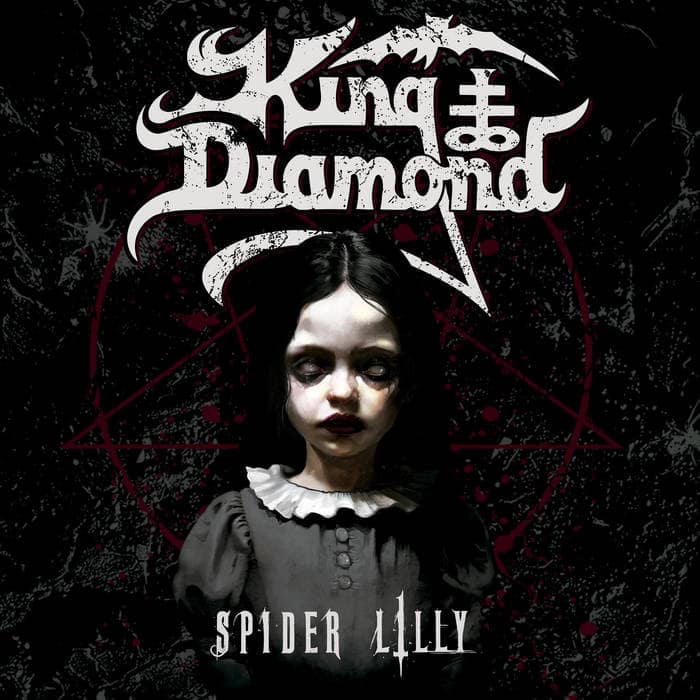
Similarly, the ongoing anticipation for King Diamond's "Saint Lucifer's Hospital 1920" demonstrates how European metal's horror and theatrical traditions remain commercially viable and artistically relevant. Andy La Rocque's acknowledgment that "nobody knows" when the album will arrive only heightens expectations for what promises to be another chapter in Danish metal's contribution to extreme music's narrative traditions.
Bruce Dickinson's continued work on visual accompaniments to his solo material, including new footage for "Tears of the Dragon," shows how European metal veterans are embracing contemporary multimedia approaches while maintaining their classic songwriting sensibilities.
Cultural Impact Beyond Music
The broader cultural acceptance of metal in European society becomes evident through unexpected endorsements from mainstream figures. Recent revelations about prominent actors' appreciation for extreme music demonstrate how metal has transcended subcultural boundaries to become part of Europe's general cultural conversation.
This mainstream acceptance creates opportunities for European metal acts to reach wider audiences while maintaining their artistic integrity. The continent's metal festivals continue drawing international attention, with events spanning from intimate club shows to massive outdoor gatherings that attract hundreds of bands and tens of thousands of fans.
European metal's anniversary celebrations and mythological explorations reveal a scene confident in both its historical achievements and future potential. As established acts like The Gathering close significant chapters while newcomers like DOLIA open fresh narratives, the continent's extreme music landscape demonstrates remarkable depth and cultural richness.
The intersection of tradition and innovation that defines contemporary European metal ensures its continued relevance in global extreme music. Whether through progressive pioneers revisiting their classics or symphonic newcomers exploring ancient legends, Europe's metal scene maintains its position as both culturally significant and artistically adventurous.
For those tracking upcoming shows across the continent, these developments signal an exciting period where anniversary tours and debut releases create diverse opportunities for metal fans to experience both historical celebrations and cutting-edge creativity.