Darkthrone's Nocturno Culto Expands Norwegian Rock While Technical Death Metal Masters Archspire Bridge Pop Culture Divides
The intersection of black metal tradition and creative exploration reached new heights this week as Darkthrone's Ted "Nocturno Culto" Skjellum announced his emerging heavy rock project AVRAK will unleash its debut album this fall. Meanwhile, Canadian technical death metal virtuosos Archspire demonstrated the genre's unexpected versatility with their brutal reimagining of pop hits, signaling broader shifts in how extreme metal artists approach creative boundaries.
Norwegian Black Metal Royalty Ventures Into Heavy Rock Territory
Skjellum's AVRAK project represents a fascinating departure from the raw black metal foundations that made Darkthrone legendary. Collaborating with Anders Hegna of NØD, EL KAYENNE, and SVIDD GREVLING, the duo made their live debut in April backed by the Kråbøl brothers, showcasing a sound that reportedly blends heavy rock sensibilities with the atmospheric depth Norwegian metal is renowned for.
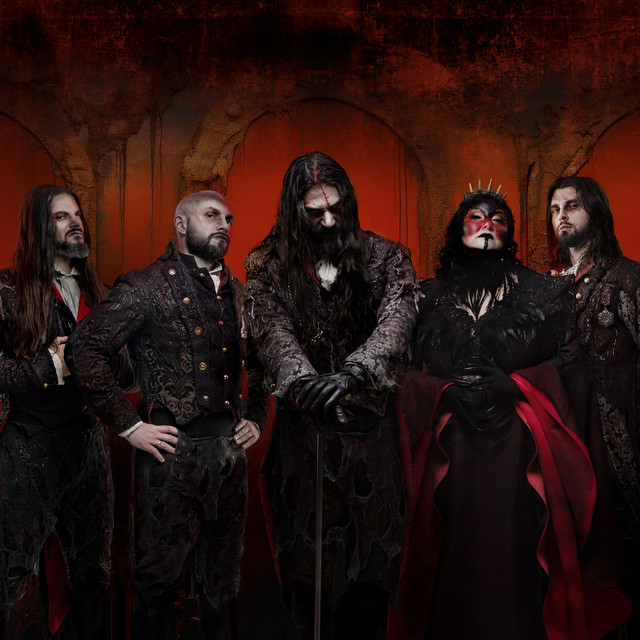
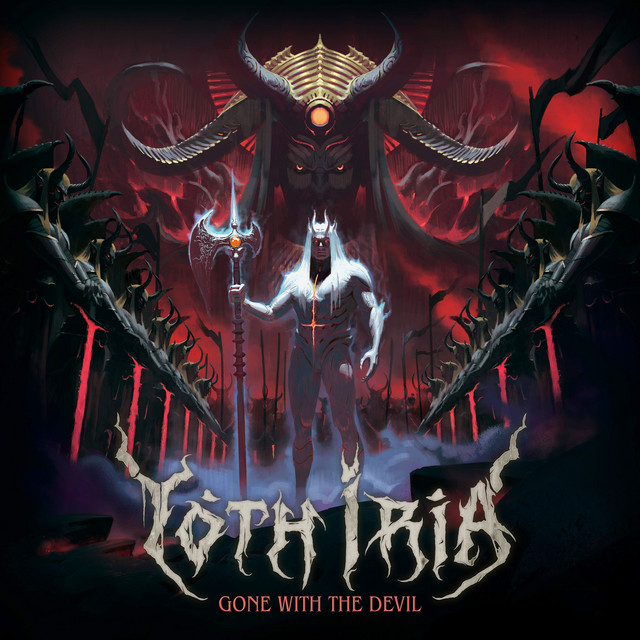
This creative expansion mirrors trends across the European metal scene, where veteran artists increasingly explore sonic territories beyond their established foundations. The move reflects confidence in artistic evolution that has become characteristic of Norway's metal scene, where bands like Greek black metal innovators Yoth Iria similarly blend traditional extreme metal with progressive elements.
AVRAK's forthcoming album arrives at a crucial moment for Norwegian heavy music, as the country's metal scene continues balancing respect for its pioneering black metal heritage with contemporary creative ambitions. The project suggests Skjellum views musical boundaries as creative challenges rather than limitations, a philosophy that has driven Norwegian metal's international influence for decades.
Technical Death Metal Meets Pop Culture in Unprecedented Crossover
Archspire's technical death metal interpretation of ROSÉ and Bruno Mars' "APT." demonstrates extreme metal's growing confidence in engaging mainstream pop culture on its own terms. The Canadian quartet's characteristically intricate approach transforms the pop track into a showcase of technical precision while maintaining the original's melodic hooks through brutal recontextualization.
This pop culture engagement represents a significant shift from extreme metal's historically antagonistic relationship with mainstream music. Where previous generations might have rejected such crossovers as compromising artistic integrity, contemporary technical death metal artists increasingly view pop reinterpretation as creative exercise that showcases their instrumental mastery.
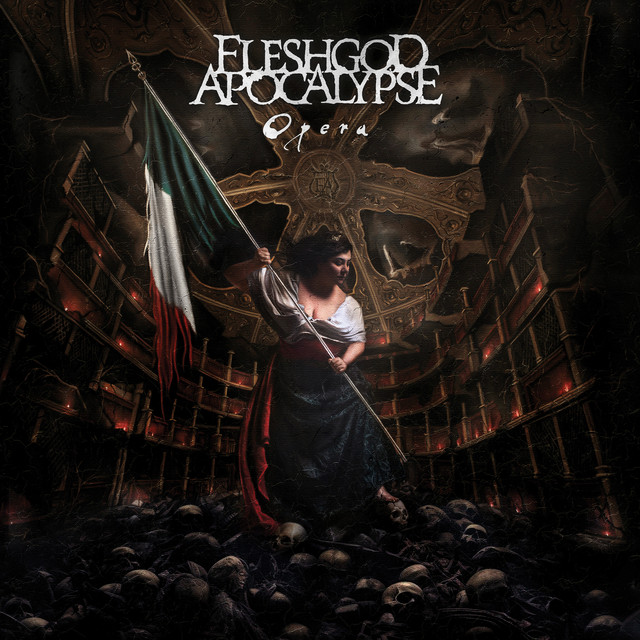
The approach resonates with European technical death metal acts who similarly blend accessibility with complexity. Bands like Italian symphonic death metal masters Fleshgod Apocalypse have long demonstrated how extreme metal can incorporate diverse influences while maintaining its essential brutality, paving the way for such bold crossover experiments.
Progressive Metal Legends Return to Creative Momentum
A Perfect Circle's apparent movement toward new album development signals renewed activity from one of progressive metal's most influential acts. Billy Howerdel's confirmation that the band is "working toward something" following their "Starless" single release suggests substantial creative momentum behind their next full-length effort.
The band's methodical approach to album development reflects progressive metal's emphasis on conceptual depth over rapid release cycles. This patience-driven creative process has become increasingly valuable in an era where metal bands face pressure for constant content production, demonstrating how established acts can maintain artistic standards while satisfying audience expectations.
Similarly, Trivium's Matt Heafy's bold claim that their upcoming eleventh studio album represents "arguably our greatest album of all time" indicates the creative confidence driving established metal acts in 2026. Such statements reflect artists' growing willingness to publicly stake their reputations on new material, suggesting genuine belief in their evolving creative capabilities.
Career Transitions and Personal Evolution in Metal
The news of Alex Varkatzas completing firefighter training represents the increasingly diverse career paths pursued by metal musicians. The former Atreyu vocalist's transition from "Slow Burn" to literally stopping burns demonstrates how metal artists increasingly balance musical careers with meaningful service professions.
This trend toward dual careers reflects both economic realities and personal fulfillment desires within the metal community. Musicians increasingly seek careers that provide financial stability while allowing continued creative expression, challenging traditional notions of full-time musical dedication as the only authentic path.
Such transitions also highlight the transferable skills metal musicians develop through their artistic careers: discipline, physical endurance, teamwork, and high-pressure performance capabilities that translate effectively to emergency services and other demanding professions.
Reflecting on Band Dynamics and Creative Relationships
Jim Ward's retrospective commentary on his At The Drive-In departure illustrates the complex interpersonal dynamics that shape metal and hardcore scenes. His admission that even collective discussion might not clarify what happened during his firing demonstrates how creative partnerships can dissolve in ways that defy simple explanation.
Ward's statement about willingness to donate a kidney to former bandmates despite ongoing communication breakdown reveals the deep bonds that music creates, even when professional relationships become impossible. This emotional complexity characterizes many metal band relationships, where shared creative intensity creates lasting connections that transcend business disputes.
These reflections resonate throughout the European metal scene, where similar band dynamic challenges affect acts from emerging underground groups to established festival headliners. The honest examination of such difficulties provides valuable perspective for both musicians and fans navigating comparable situations.
European Metal Scene Adaptation and Innovation
The week's developments highlight European metal's continued adaptation to evolving creative and cultural landscapes. From Norway's heavy rock experimentation to technical death metal's pop culture engagement, the scene demonstrates remarkable flexibility while maintaining its essential character.
This adaptability proves crucial as European metal faces ongoing challenges including venue availability, touring costs, and competition from streaming-era content oversaturation. Bands that successfully balance innovation with authenticity position themselves for sustained relevance in increasingly competitive musical environments.
The continued evolution of veteran artists like Nocturno Culto alongside technical innovators like Archspire suggests European extreme metal's future lies in creative fearlessness rather than rigid adherence to established formulas. This approach ensures the scene remains vital and relevant while honoring its groundbreaking heritage.
As these developments unfold, they reinforce European metal's position as a creative laboratory where tradition and innovation coexist productively, generating new possibilities for extreme music's continued evolution into 2026 and beyond.