From Royal Recognition to Farewell Tours: European Metal Legends Navigate Legacy and Transition
The European metal scene finds itself at a fascinating crossroads where legendary recognition meets inevitable transitions, as recent developments showcase both the establishment's embrace of heavy music pioneers and the bittersweet reality of iconic acts planning their final chapters.
Royal Honours Meet Heavy Metal Heritage
Tony Iommi's recent appointment as Member of the Order of the British Empire represents a seismic shift in how metal's foundational figures are perceived by traditional institutions. The Black Sabbath architect's MBE recognition for services to music and charity marks perhaps the most significant mainstream acknowledgment of heavy metal's cultural impact in British history. This isn't merely about one musician receiving an honour—it's about the genre's complete transformation from countercultural rebellion to recognized artistic achievement.
The implications for the European metal scene are profound. When the guitarist who literally invented the heavy metal riff receives royal recognition, it legitimizes decades of European metal innovation that followed in Sabbath's wake. From the New Wave of British Heavy Metal through to today's extreme metal movements, Iommi's honour validates the entire continental metal ecosystem that evolved from those early Birmingham foundations.
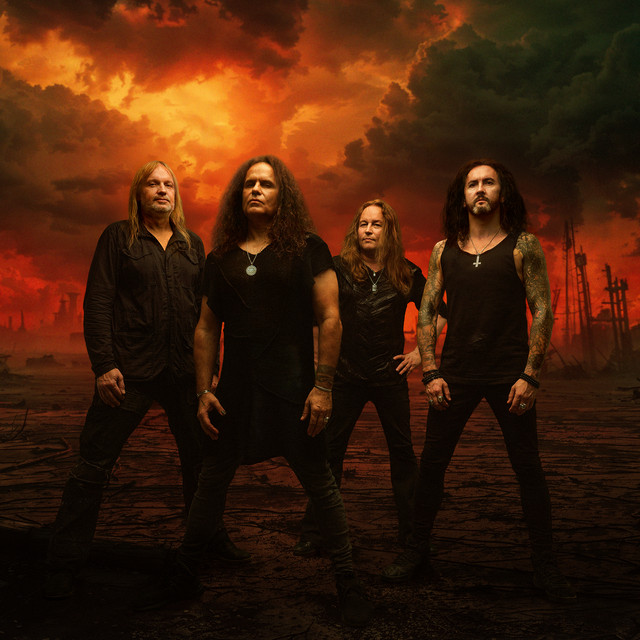
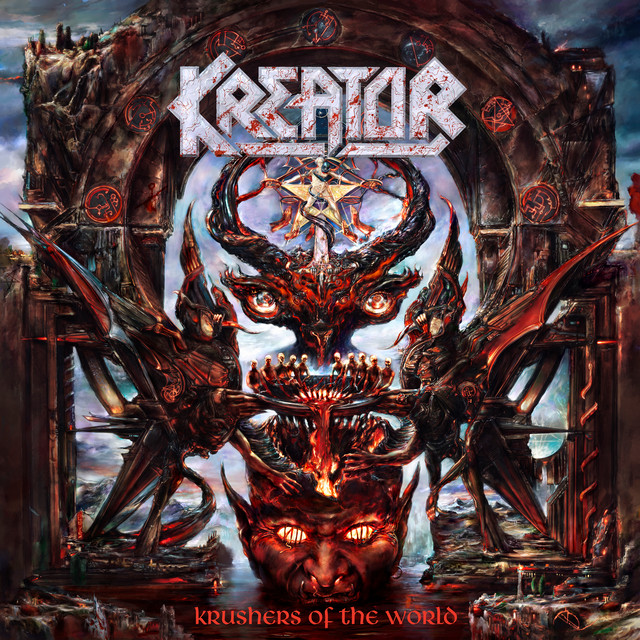
This recognition comes at a time when German thrash metal pioneers Kreator and other European extreme metal veterans continue pushing boundaries while gaining increasing respect from cultural institutions. The gap between underground credibility and mainstream acknowledgment continues shrinking across European metal circles.
Finnish Power Metal Transitions and Festival Circuit Evolution
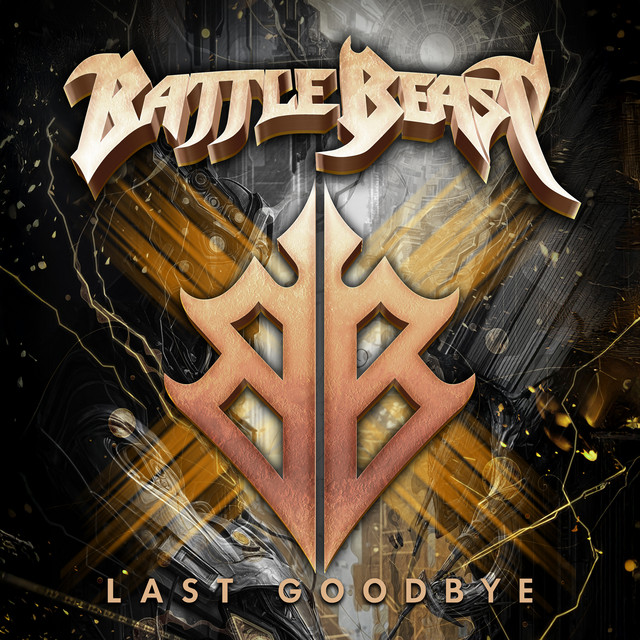
Battle Beast's emergence with new vocalist Marina La Torraca at Czech Republic's Metalfest Open Air represents another significant transition within European metal's established hierarchy. The Finnish power metal act's successful debut with their replacement singer demonstrates the resilience that has long characterized the European metal scene's approach to lineup changes and creative evolution.

Finland's metal export success story continues evolving as bands like Battle Beast maintain their touring momentum despite personnel shifts. The Czech Republic's festival circuit, meanwhile, solidifies its position as a crucial testing ground for European acts navigating major changes. These festival performances serve as essential proving grounds where bands can gauge audience reception before committing to extensive touring campaigns.
The European festival network's importance cannot be overstated for metal bands managing transitions. From Germany's established festival circuit to emerging events across Eastern Europe, these gatherings provide crucial revenue streams and audience development opportunities that sustain the continental metal economy.
Thrash Revival and Veteran Perspectives
Recent commentary from thrash metal veterans reveals growing concern about modern metal's direction versus the innovative spirit that characterized earlier European extreme metal development. These perspectives highlight tension between nostalgic reverence for 80s metal bands and contemporary metal's evolution toward increased technicality and production polish.
The criticism focuses particularly on how modern metal bands approach songwriting and artistic development compared to the organic scene growth that characterized European thrash metal's emergence during the 1980s. Veterans argue that today's acts often lack the distinctive personality that made early European metal scenes so vibrant and regionally distinct.
This debate reflects broader questions about authenticity versus progress within European metal. While bands like German metalcore and thrash metal act Erv continue developing their own approaches to aggressive music, the conversation about maintaining metal's rebellious spirit while embracing modern production and distribution methods remains contentious.
Scandinavian Metal's Continued Innovation
Yngwie Malmsteen's upcoming album announcement reinforces Sweden's ongoing contribution to European metal innovation, even as the legendary guitarist approaches his fifth decade of recording. The neoclassical metal pioneer's continued activity demonstrates how Swedish metal maintains its creative vitality across generational divides.
Sweden's metal scene continues producing both technically accomplished veterans and emerging acts that push genre boundaries. This sustained creative output reflects the country's unique position within the European metal scene, where institutional support for music education combines with underground metal culture to produce consistently innovative results.
The announcement of new material from established Swedish metal figures coincides with increasing international attention on Scandinavian metal's distinctive approaches to melody and aggression, influencing metal development across the continent.
British Metal's Living Legends and Spoken Word Evolution
Nicko McBrain's announcement of a European spoken-word tour represents an intriguing evolution in how metal legends engage with their audiences beyond traditional performance contexts. The Iron Maiden drummer's literary and speaking ventures highlight growing interest in metal musicians' perspectives on industry evolution and personal experiences.
Starting in Frankfurt and spanning multiple European cities, McBrain's tour reflects the continent's appetite for intimate metal-related content that goes beyond standard concert experiences. This trend toward spoken-word presentations and memoir promotions suggests European metal audiences increasingly value the historical context and personal stories behind their favourite music.
The European market's embrace of these alternative formats demonstrates sophistication in how continental metal culture approaches its own history and mythology. Rather than merely consuming nostalgia, European metal fans actively engage with the storytelling and historical analysis that contextualizes their musical preferences.
Legacy Tours and Cultural Preservation
The broader trend of anniversary tours and legacy celebrations across European metal reflects both commercial pragmatism and genuine cultural preservation efforts. These events serve multiple functions: they provide financial stability for veteran acts while introducing younger audiences to metal's foundational works.
European venues and promoters increasingly recognize the value of hosting these heritage-focused events, as they attract multi-generational audiences and often sell more consistently than newer act promotions. This creates a sustainable ecosystem where metal's history remains commercially viable while providing educational value.
The success of these legacy presentations also influences how contemporary European metal acts approach their own career development, with many bands now consciously building their own historical narratives and anniversary-worthy moments from their earliest releases.
Underground Resilience and Future Directions
Despite the focus on established acts and mainstream recognition, Europe's underground metal scenes continue developing new approaches to extreme music creation and distribution. The continent's diverse regional scenes maintain their distinctiveness while participating in increasingly globalized metal culture.
From black metal innovation in Scandinavia to death metal evolution in the Low Countries, European metal's underground continues pushing boundaries that eventually influence mainstream metal development. This cycle of innovation from underground to mainstream remains crucial for maintaining metal's creative vitality.
The current moment represents a unique balance where metal's pioneers receive unprecedented recognition while new generations of European metal artists continue developing their own revolutionary approaches to heavy music. This dual dynamic suggests European metal's cultural significance will only increase as both historical appreciation and contemporary innovation continue flourishing across the continent.
As European metal navigates this period of simultaneous celebration and transition, the scene's fundamental strength lies in its ability to honour its pioneers while remaining open to radical evolution from emerging voices.