Progressive Horizons and Theatrical Ambitions: British Innovation Meets American Touring Plans for European Markets
The intersection of progressive artistry and theatrical metal spectacle is reshaping how bands approach European audiences, with British progressive masters leading the charge while American acts plan ambitious continental conquests. Recent developments showcase the evolving dynamics between homegrown European innovation and international touring strategies targeting the continent's diverse metal markets.
Progressive Metal Renaissance: HAKEN's Creative Evolution
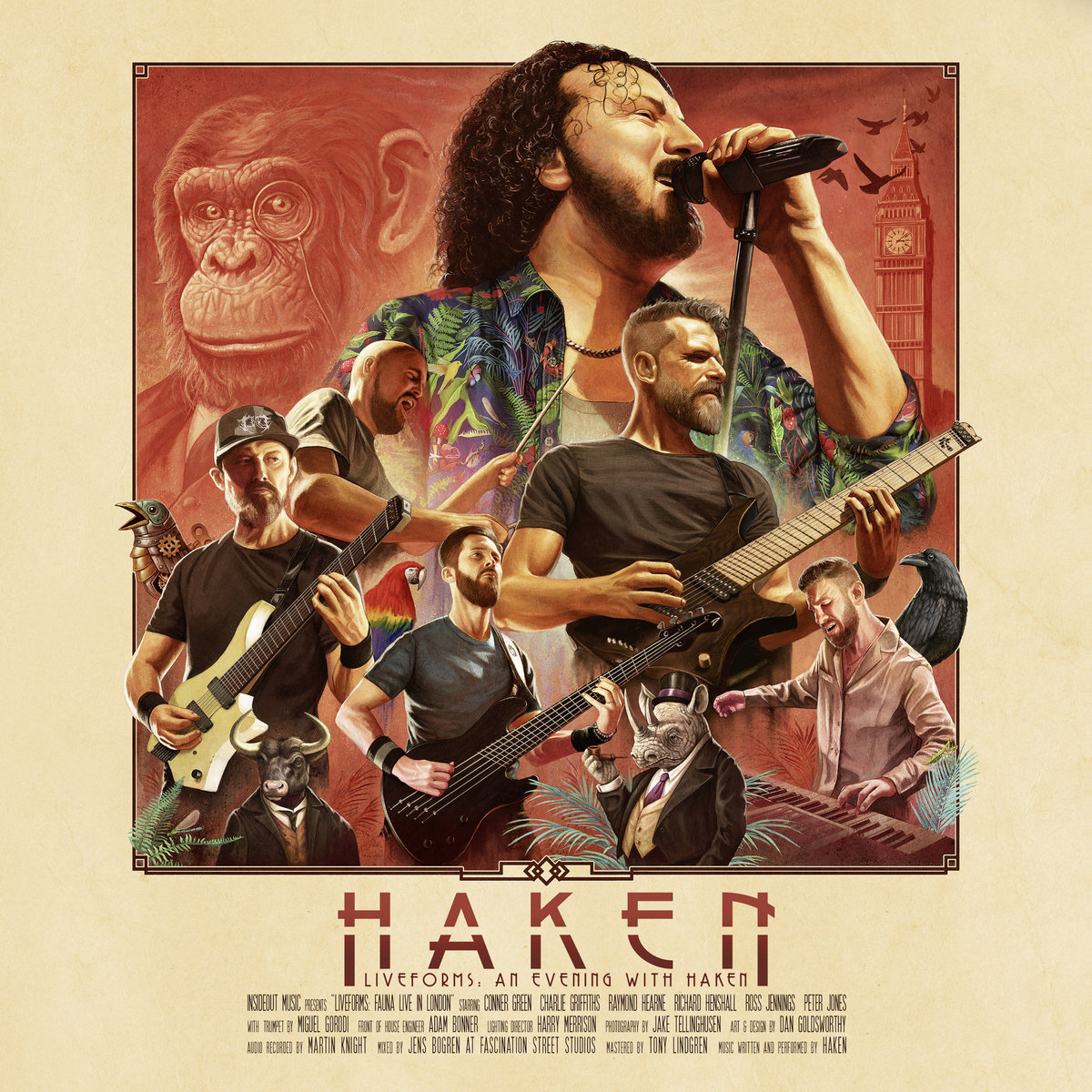
British progressive metal virtuosos HAKEN have emerged from their three-year recording hiatus with renewed creative vigor, unveiling their latest single "Bleeding Sky" alongside confirmed European tour dates. This marks a significant moment for the UK progressive metal scene, demonstrating the genre's continued vitality within European borders. The band's collaboration with producer George Lever, known for his work with atmospheric post-metal acts, signals a potential shift toward more experimental territories.
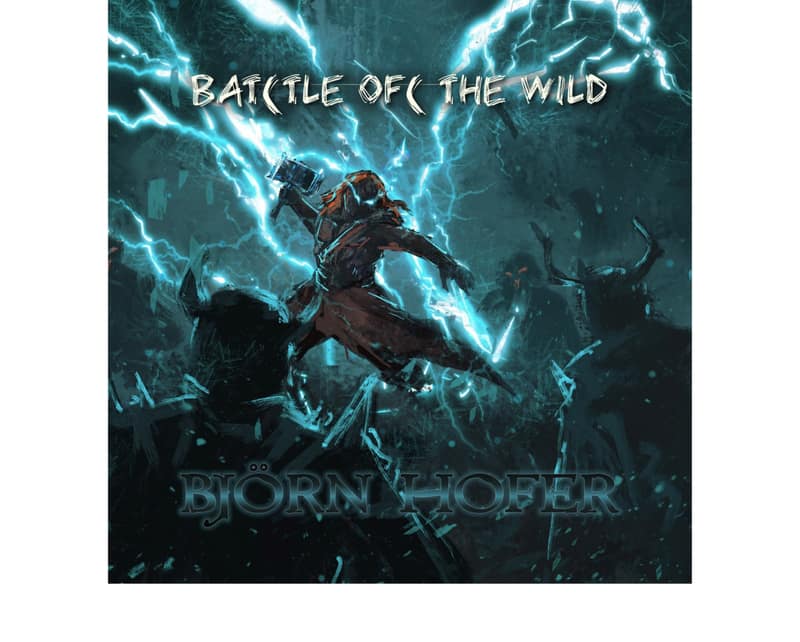
The progressive metal landscape in Europe has always been fertile ground for innovation, with bands like Austrian progressive metal project Björn Hofer continuing to push boundaries alongside established acts. HAKEN's return reinforces the UK's position as a crucial hub for progressive metal development, particularly as bands explore more atmospheric and experimental approaches to songwriting.
The timing of HAKEN's European tour announcement reflects broader trends in how best metal bands are approaching post-pandemic touring strategies. European audiences have demonstrated strong appetite for progressive metal performances, with festivals and venues increasingly dedicating prime slots to bands that blend technical prowess with atmospheric depth.
Theatrical Metal's European Ambitions
Ice Nine Kills' announcement of their 2027 "March In Silence Tour" across Europe represents a fascinating case study in how American theatrical metal bands view continental markets. The band's horror-inspired theatrical approach has found particular resonance in European festival circuits, where elaborate stage productions and conceptual performances have long been celebrated.
The extended timeline for this touring announcement—reaching into 2027—indicates the increasingly complex logistics of major international touring. European venues are booking further in advance, reflecting both increased demand and the practical realities of coordinating multi-country tours in the current landscape.
This theatrical metal approach has historically resonated with European audiences who appreciate conceptual depth and visual spectacle. The genre's emphasis on storytelling and dramatic presentation aligns with European metal traditions that value artistic ambition alongside musical technicality.
Cross-Genre Collaborations and Industry Evolution
The metal industry's increasing embrace of cross-genre collaboration is evident in recent developments, with established metal musicians exploring partnerships beyond traditional boundaries. These collaborations reflect changing audience expectations and the industry's adaptation to streaming-era consumption patterns.
Electronic and metal fusion projects have found particular success in European markets, where festival audiences demonstrate openness to genre-blending performances. This trend creates opportunities for European metal bands to explore similar collaborative approaches, potentially reaching audiences beyond traditional metal demographics.
The involvement of established metal musicians in diverse projects suggests a maturation of the industry, where artistic experimentation is increasingly valued alongside commercial considerations. This evolution particularly benefits the European metal scene, which has always prized innovation and artistic risk-taking.
Underground Movements and EP Culture
The recent surge in EP releases from both established and emerging acts highlights changing release strategies across the metal spectrum. Shorter-form releases allow bands to maintain momentum between full albums while providing more frequent touchpoints with audiences.
This approach particularly benefits European underground scenes, where bands can release material more frequently without the substantial investment required for full album campaigns. The EP format allows for experimentation and quick responses to evolving musical trends, keeping bands relevant in rapidly moving metal subgenres.
European extreme metal acts have historically embraced this approach, with many new metal bands 2026 likely to adopt similar strategies. The format's flexibility suits the continent's diverse metal scenes, from Scandinavian black metal to Mediterranean doom traditions.
Heritage Acts and European Circuit Dynamics
The continued presence of heritage rock and metal acts on European touring circuits demonstrates the continent's role as a crucial market for established performers. These tours often serve as testing grounds for new material and provide substantial revenue streams that support continued creativity.
European audiences' appreciation for musical history creates unique opportunities for both heritage acts and younger bands who understand this context. The continent's festival culture particularly benefits from this dynamic, where multi-generational lineups can attract diverse audiences.
This heritage appreciation extends beyond individual performances to influence how metal bands touring 2026 structure their setlists and presentation. European audiences often demonstrate deeper knowledge of catalog material, allowing for more adventurous programming choices.
Industry Representation and Evolving Conversations
Recent discussions about representation and identity within metal reflect the genre's ongoing evolution beyond its traditional boundaries. These conversations are particularly relevant in European contexts, where diverse metal scenes have developed distinct regional characteristics while maintaining international connections.
The metal community's increasing openness to diverse perspectives strengthens the genre's cultural relevance and potential for continued growth. European metal scenes, with their history of embracing artistic diversity, are well-positioned to lead these evolving conversations.
This cultural evolution complements musical innovation, creating space for artists to explore both sonic and thematic territories previously unexplored in metal contexts. The result is a more inclusive and creatively diverse metal landscape that can attract broader audiences while maintaining its core intensity.
Looking Forward: European Metal's Creative Momentum
The convergence of progressive innovation, theatrical ambition, and cross-genre experimentation positions European metal scenes for continued creative growth. Local scenes benefit from both homegrown innovation and international attention, creating feedback loops that drive further development.
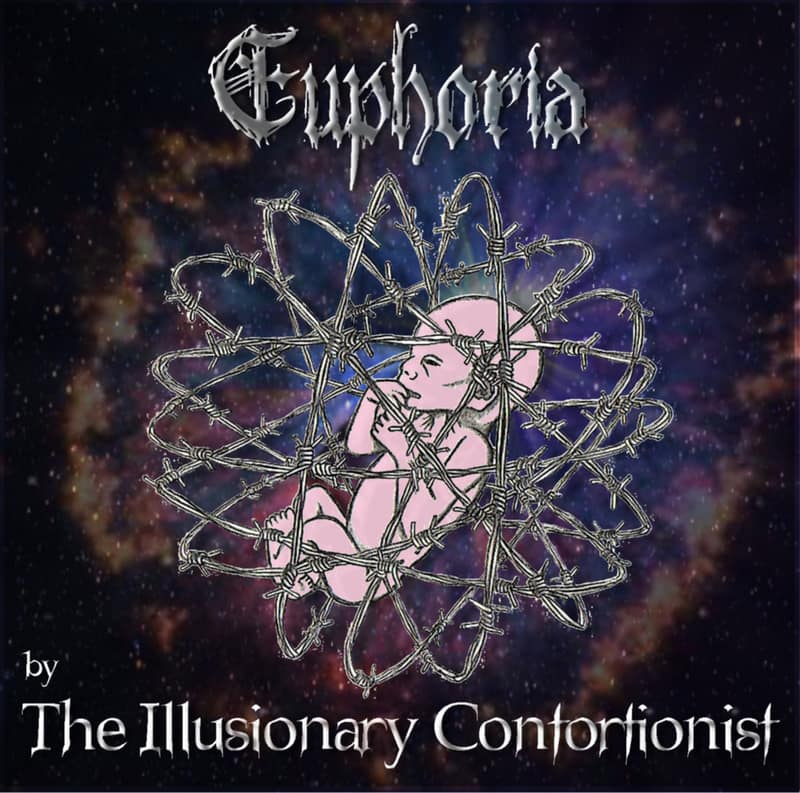
As bands like progressive black metal experimentalists The Illusionary Contortionist continue pushing genre boundaries, the European metal landscape becomes increasingly attractive to both artists and audiences seeking cutting-edge material.
The combination of strong heritage acts, innovative contemporary bands, and experimental cross-genre projects creates a uniquely vibrant metal ecosystem. This diversity ensures European metal's continued relevance in global conversations while maintaining its distinctive regional character.
For bands looking to participate in this evolving landscape, the emphasis on both technical proficiency and artistic vision remains crucial. European audiences continue to reward bands that combine musical excellence with conceptual depth, creating opportunities for acts that understand this balance.