Festival Chaos and Anniversary Tours Signal European Metal's Evolving Live Scene
European metal's festival landscape faces unprecedented challenges this summer as touring logistics collide with ambitious anniversary celebrations and venue disruptions. From Czech Republic's massive Rock For People gathering to intimate Belgian commemorations, the continent's metal scene demonstrates both resilience and vulnerability in equal measure.
Rock For People Dominates Central European Festival Circuit
Czech Republic's Rock For People festival emerges as one of Central Europe's most ambitious metal gatherings, hosting over 200 bands across five intensive days. The festival's lineup spans generations of metal evolution, featuring American thrash legends Megadeth alongside rising technical death metal stars Blood Incantation and modern metalcore powerhouse Trivium.
This massive undertaking reflects the growing appetite for diverse metal programming in Central European markets. Unlike traditional single-genre festivals, Rock For People's expansive roster demonstrates how festivals must adapt to serve increasingly eclectic metal audiences. The event's scale positions it as a significant competitor to established Western European festivals, potentially shifting touring patterns eastward.
The festival's timing coincides with peak summer touring season, creating both opportunities and challenges for bands navigating packed European itineraries. For European acts like groove metal specialists Feed, such festivals represent crucial exposure opportunities alongside international headliners.
Belgian Black Metal Veterans Mark Decade Milestone
Belgium's Oathbreaker announces a selective five-date European tour celebrating the tenth anniversary of their landmark album "Rheia." The intimate tour scale contrasts sharply with massive festival gatherings, highlighting the bifurcated nature of European metal touring—mega-festivals versus carefully curated club experiences.
Oathbreaker's anniversary celebration reflects a broader trend of European extreme metal bands revisiting pivotal releases. Their approach emphasizes quality over quantity, selecting specific markets rather than attempting comprehensive continental coverage. This strategy acknowledges both the economic realities of touring and the desire to create meaningful experiences for dedicated fanbases.
The inclusion of American guests Portrayal of Guilt demonstrates continued transatlantic collaboration in extreme metal, even as touring costs and logistics become increasingly complex. For European black metal acts like Absolu, such selective touring models may represent sustainable alternatives to exhaustive continental runs.
Hardcore Crossover Faces Lineup Disruptions
The announced European tour pairing Hatebreed with Life of Agony encounters immediate complications as opening act End It reportedly withdraws following an unspecified incident. This development illustrates the fragile nature of modern touring, where personal conduct and social media controversies can rapidly derail carefully planned itineraries.
Such disruptions force promoters and headliining acts to scramble for replacement support, often affecting ticket sales and fan expectations. The hardcore and metalcore scenes, with their emphasis on community values and political awareness, prove particularly sensitive to behavioral controversies among participating artists.
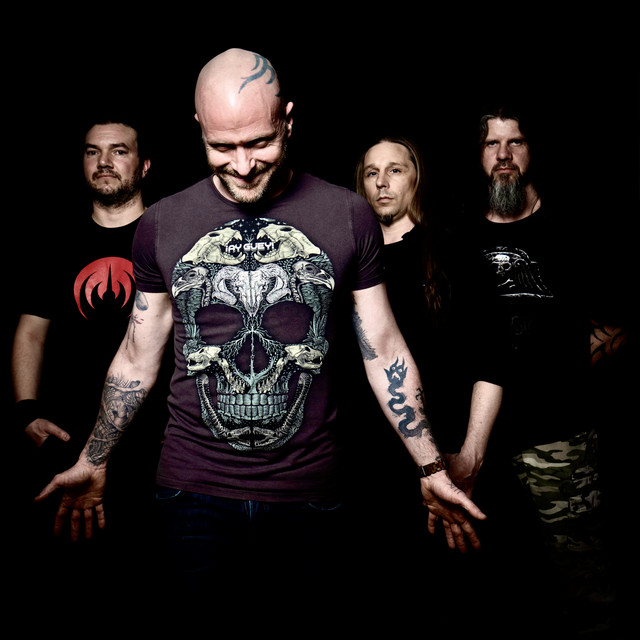
European metalcore acts like Desolated may find opportunities emerging from such last-minute cancellations, though the circumstances create challenging situations for all involved parties. The incident underscores how quickly touring situations can evolve in today's highly connected metal community.
Aviation Chaos Devastates Independent Touring
American death metal band Jungle Rot's European tour collapse due to flight cancellations highlights the precarious economics facing independent touring acts. The band's subsequent crowdfunding campaign reveals the domino effect of travel disruptions—lost deposits, cancelled shows, and stranded equipment create financial devastation extending far beyond initial ticket refunds.
This situation reflects broader challenges facing non-headlining acts attempting European tours. Rising travel costs, post-pandemic airline instability, and currency fluctuations create unprecedented risks for bands lacking major label tour support. European promoters increasingly hesitate to book overseas acts without substantial financial guarantees.
The crowdfunding response demonstrates metal community solidarity, though it also reveals the inadequate safety nets available to working musicians. European death metal acts like Manifest may benefit from reduced overseas competition, but the overall touring ecosystem suffers when international exchange becomes prohibitively risky.
Personnel Changes Reshape Established Tours
Black Veil Brides' drummer Christian Coma's withdrawal from European dates necessitates last-minute personnel substitution, bringing Daughtry's Wade Murff into the fold. Such changes, while common in professional touring, create adaptation challenges for both bands and audiences expecting specific lineup configurations.
The quick resolution demonstrates the professionalism expected in major touring operations, where backup plans and industry connections prevent complete tour cancellations. However, these situations also highlight the physical and personal demands of extensive touring, particularly for acts maintaining year-round performance schedules.

European metal bands observe these developments closely, understanding that touring sustainability requires both professional flexibility and personal boundary management. The incident reinforces the importance of building strong industry networks capable of providing emergency support when needed.
Metallica's European Stadium Run Creates Ripple Effects
Knocked Loose's participation in Metallica's European stadium tour alongside Gojira represents a significant opportunity for hardcore crossover exposure. The band's additional Manchester aftershow demonstrates how opening acts maximize European visits through strategic secondary bookings.
This touring model—combining major stadium support with intimate club shows—allows emerging acts to serve both curious mainstream audiences and dedicated underground followings. European metalcore and hardcore bands study these approaches, recognizing how American acts leverage festival and support opportunities into comprehensive touring strategies.
The documented health challenges faced by Knocked Loose's vocalist also highlight the physical demands of intensive European touring. Such transparency about performer wellness issues reflects evolving attitudes toward musician health and touring sustainability.
Looking Forward: European Metal's Adaptive Future
These concurrent developments reveal a European metal scene characterized by both opportunity and instability. Festivals grow more ambitious while club tours become more selective. International touring faces increased risks while local scenes demonstrate remarkable resilience.
For European bands, these trends suggest multiple viable paths forward. Festival participation remains crucial for exposure, but sustainable club touring requires careful market selection and risk management. The most successful acts will likely combine festival appearances with strategic international partnerships and strong domestic fan base cultivation.
The summer's events will provide valuable data about festival sustainability, touring economics, and audience preferences that will shape European metal's direction through 2026 and beyond. Whether the scene emerges stronger or more fragmented depends largely on how effectively all participants—bands, promoters, and venues—adapt to these evolving challenges.