Touring Troubles and Unexpected Returns Shape European Metal's Dynamic Summer
The European metal touring circuit faces a wave of disruption and renewal this summer, as established acts navigate unexpected departures while legendary collaborations emerge from decades-long dormancy. From crew safety concerns to last-minute drummer substitutions, the continental scene demonstrates both its vulnerability to professional pressures and its remarkable ability to adapt when circumstances demand change.
Black Veil Brides Navigate European Tour Shake-Up
Black Veil Brides' current European tour has encountered significant turbulence with drummer Christian 'CC' Coma's sudden departure from the remaining dates. The band cited "an unfortunate personal and private matter" for Coma's absence, which will affect all European shows following their Rock Am Ring festival appearance in Germany this weekend.
Wade Murff, longtime drummer for Daughtry and personal friend of the band, has stepped in to handle percussion duties for the remainder of the European leg. This rapid replacement highlights the interconnected nature of the touring community, where professional relationships often provide crucial support during unexpected crises.
The timing proves particularly challenging for European fans who have waited years for the band's return to continental stages. Metal bands touring 2026 face increasing pressure to maintain consistent lineups amid growing logistical complexities, making such last-minute adjustments a test of both crew adaptability and fan loyalty.
Industry Safety Concerns Cast Shadow Over Touring Culture
Recent allegations surrounding the Dark Divine tour have brought workplace safety in metal touring into sharp focus. A crew member's reported concerns about a "physically unsafe" environment underscore the often-overlooked pressures faced by touring professionals beyond the spotlight.
These developments reflect broader conversations within the European metal community about professional standards and working conditions. As the continent's European metal scene continues expanding its touring infrastructure, questions of crew welfare and workplace safety demand greater attention from both venues and management companies.
The touring economy that supports Europe's metal ecosystem relies heavily on skilled technical professionals who often work in challenging conditions. When safety concerns reach a level where crew members feel compelled to leave mid-tour, it signals systemic issues that extend beyond individual incidents.
Burnt By The Sun's Resurrection Brings Mastodon Connection
After fifteen years in dormancy, Burnt By The Sun has announced their return with a significant twist: Mastodon guitarist Bill Kelliher joining their ranks. This unexpected collaboration bridges different eras of heavy music, connecting the band's hardcore-influenced metal with Mastodon's progressive approach.
Kelliher's involvement represents more than a simple guest appearance—it signals a genuine creative partnership that could influence both artists' musical directions. For European audiences familiar with Mastodon's extensive continental touring history, this development offers an intriguing glimpse into how established musicians continue exploring new creative territories.
The reunion taps into a broader trend of veteran acts returning to active status, often with refreshed lineups that bring contemporary perspectives to established sounds. This pattern particularly resonates in Europe, where festival circuits provide platforms for both legacy acts and experimental collaborations.
Political Divisions Continue Fracturing Metal Communities
Larry Howe's resignation from Vicious Rumors over political disagreements illustrates the ongoing tensions between personal beliefs and professional relationships within metal communities. Howe's departure, attributed to conflicts over his right-wing political views, reflects broader cultural divisions affecting bands across national boundaries.
These political fractures present particular challenges for European touring acts, where diverse political landscapes across different countries require careful navigation. Bands must increasingly balance personal expression with commercial viability, especially when crossing borders with varying political climates.
The incident highlights how social media and public political discourse now directly impact band stability in ways that previous generations of metal musicians rarely encountered. For European audiences, these developments raise questions about how political identity intersects with musical appreciation and community belonging.
Technology Debates Reshape Creative Processes
Shinedown guitarist Zach Myers' recent criticism of AI-assisted songwriting reflects growing anxiety within metal communities about technological innovation versus traditional craftsmanship. Myers' firm stance against artificial intelligence in composition resonates with broader European metal traditions that emphasize technical skill and authentic creative expression.
This technological skepticism particularly influences how new metal bands 2026 approach their creative development. European metal's rich heritage of technical proficiency, from Nordic black metal's atmospheric compositions to Germanic thrash precision, creates cultural pressure to maintain human-centered creative processes.
The debate extends beyond individual preference to encompass fundamental questions about artistic authenticity and the value of human struggle in creative work. For a genre that has historically celebrated technical mastery and emotional intensity, AI assistance represents a philosophical challenge as much as a practical tool.
Underground Resilience Amid Mainstream Disruption
While touring disruptions affect high-profile acts, Europe's underground metal scene continues demonstrating remarkable resilience. The continent's extensive network of smaller venues and independent promoters provides stability that larger touring operations sometimes lack.
Bands like Norwegian raw black metal outfit Indigent Ritual and atmospheric black metal project Dysthen represent the underground persistence that defines European metal's true strength. These acts operate with fewer resources but greater creative freedom, often avoiding the commercial pressures that create touring instability for mainstream acts.
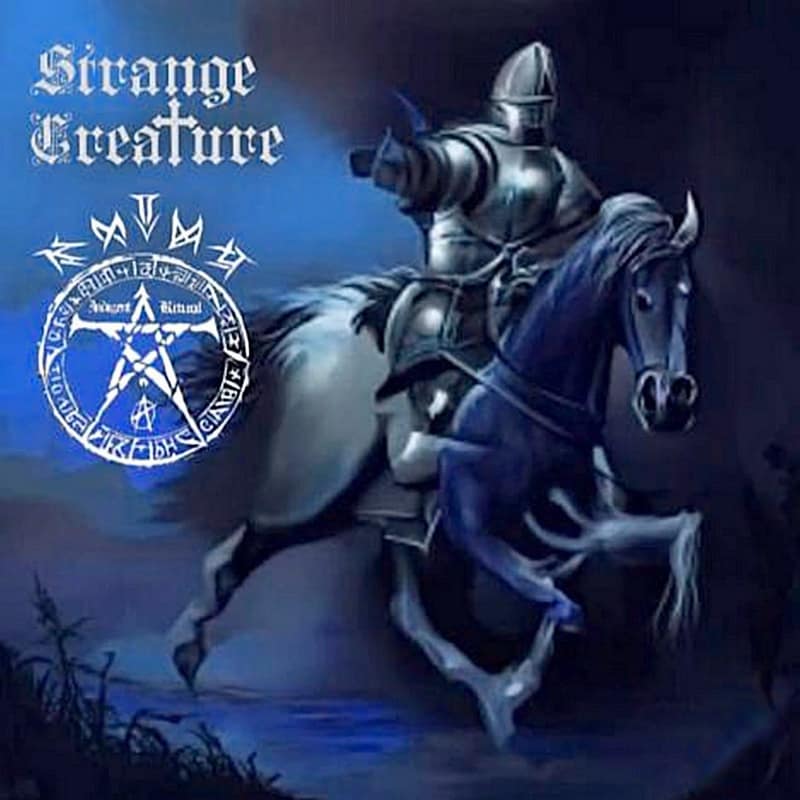
This underground foundation provides the European metal scene with cultural continuity even as larger acts face professional challenges. The network of dedicated fans, small venues, and independent labels creates an ecosystem that supports artistic development beyond commercial touring cycles.
Generational Transitions Shape Scene Evolution
The summer's touring developments reflect broader generational changes affecting European metal. Veteran acts face increasing personal and professional pressures while younger bands navigate a transformed industry landscape with different expectations and opportunities.
Musicians who established careers during metal's earlier commercial peaks now confront family responsibilities, health concerns, and political divisions that complicate traditional touring models. Meanwhile, emerging acts benefit from digital promotion tools and diverse funding sources that provide alternatives to conventional industry pathways.
These transitions create opportunities for cross-generational collaboration, as demonstrated by Bill Kelliher's involvement with Burnt By The Sun's reunion. Such partnerships bridge different musical eras while introducing veteran experience to contemporary creative approaches.
Looking Forward: Adaptation and Innovation
Despite current challenges, European metal's touring infrastructure continues evolving to meet changing demands. Venues implement enhanced safety protocols while booking agencies develop more flexible arrangements to accommodate unexpected lineup changes.
The resilience demonstrated by bands like Black Veil Brides in quickly securing replacement musicians illustrates the professional networks that support continental touring. This adaptability, combined with Europe's diverse festival circuit and established venue network, provides foundations for continued growth despite periodic disruptions.
For fans tracking upcoming shows across European markets, these developments underscore both the unpredictability and vitality that define contemporary metal touring. The scene's ability to navigate challenges while maintaining creative momentum reflects the deep cultural investment that sustains metal communities across national boundaries.
As summer festivals continue and autumn touring plans solidify, European metal's response to current challenges will shape how the scene approaches future professional and creative developments. The balance between maintaining traditional values and adapting to contemporary realities remains central to the continent's metal evolution.