European Metal Milestones: Metallica Breaks German Records While Ripper Owens Commands Belgium Stage

The European metal scene witnessed historic moments this week as Metallica shattered attendance records in Berlin while Tim "Ripper" Owens delivered commanding performances across Belgium, showcasing the continent's enduring appetite for both legendary acts and classic metal traditions.
Metallica's Historic Berlin Triumph
Metallica's May 30 performance at Berlin's Olympiastadion has officially entered German music history, drawing 94,000 attendees to become the nation's largest-ever stadium concert. The achievement surpassed U2's previous record of 90,000 from 2009, demonstrating metal's unprecedented commercial strength within Germany's broader cultural landscape.
This milestone reflects broader trends within the European metal scene, where established acts continue expanding their reach while maintaining artistic integrity. Germany's metal infrastructure, built over decades of festival culture and venue development, provided the foundation for this historic achievement. The Olympiastadion's maximum capacity accommodation proves European venues' sophisticated understanding of metal's massive appeal.
The record-breaking attendance signals metal's evolution from underground movement to mainstream cultural force across Continental Europe. When best metal bands like Metallica can command such massive audiences, it validates decades of European metal community building and industry development.
Ripper Owens' Belgian Campaign
Meanwhile, Tim "Ripper" Owens brought classic Judas Priest material to intimate Belgian venues, demonstrating European audiences' sophisticated appreciation for metal heritage. His May 27 performance at DVG Club in Kortrijk featured a carefully assembled backing band including Italian musicians Emiliano Tessitore and Francesco Caporaletti alongside Czech guitarist Martin Bilek and Italian drummer Alessio Palizzi.
This international collaboration exemplifies European metal's cross-border creative networks. Belgium's venue circuit, from intimate clubs like DVG to major festival stages, provides platforms for both emerging and veteran performers. Owens' ability to command audiences with classic material speaks to European metal fans' deep historical knowledge and appreciation for traditional approaches.
The tour's success highlights how metal bands touring 2026 can leverage Europe's interconnected venue networks and passionate fanbase. Belgium's position within Continental touring circuits makes it essential for acts building European presence, whether established veterans or rising performers.
Progressive Innovation from Sweden
Evergrey continues pushing progressive metal boundaries from their Swedish base, maintaining the creative complexity that defined their early 2000s peak period. Their approach to challenging yet accessible dark progressive metal established templates that influenced countless European acts.
Sweden's metal scene, from Stockholm's death metal explosions to Gothenburg's melodic innovations, provided foundation for progressive experimentation. Evergrey's sustained creativity demonstrates how European bands can evolve while maintaining core identity, inspiring newer acts across the continent's diverse metal communities.
This progressive tradition resonates throughout European metal, where bands like Norwegian post-metal innovators Valfader continue pushing atmospheric boundaries and expanding genre definitions.
Extreme Music's British Legacy
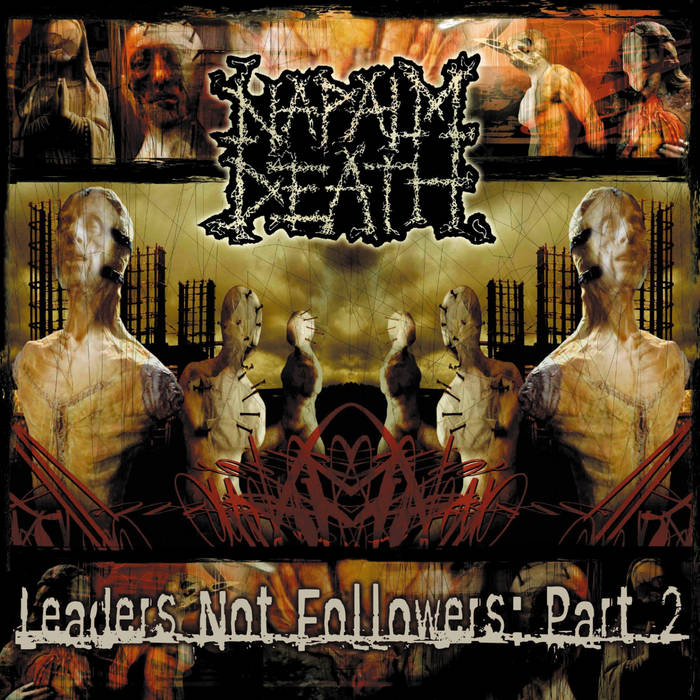
Napalm Death's Shane Embury represents British extreme metal's foundational influence on European and global scenes. The bassist's contributions to grindcore development from Birmingham's industrial landscape helped establish Britain as extreme metal's creative epicenter during the genre's formative years.
British extreme metal's influence extends throughout Continental Europe, where bands absorbed grindcore's chaotic energy while adding regional characteristics. From Scandinavia's atmospheric black metal to Germany's technical death metal scenes, Embury's pioneering work provided blueprints for countless European innovations.
Contemporary European extreme metal continues this legacy, with acts like German death metal brutalists Necrotted and symphonic extremists Mental Cruelty pushing technical and atmospheric boundaries established by British pioneers.
Cross-Atlantic Creative Exchange
Recent developments highlight ongoing creative exchange between European and American metal scenes. While American acts like Anthrax prepare new material and address internal changes, European audiences and venues provide crucial testing grounds for international acts' creative evolution.
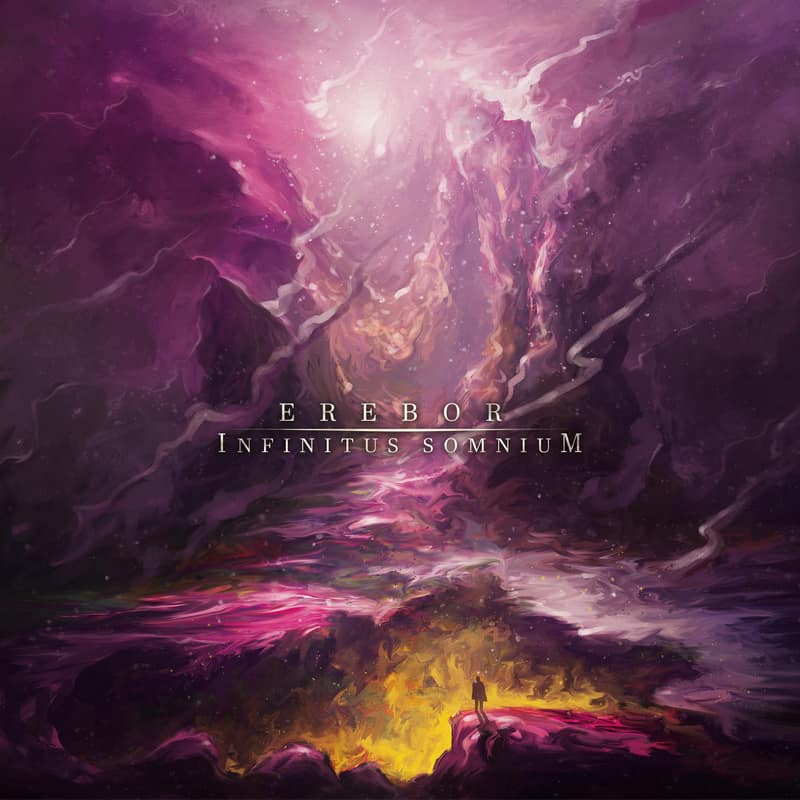
This exchange benefits European metal development, as local scenes absorb influences while maintaining distinctive regional characteristics. German black metal acts like melodic black metal practitioners Sturmwächter and atmospheric specialists Erebor demonstrate how European bands integrate international influences while preserving authentic regional identity.
The relationship extends beyond musical exchange to include touring strategies, production techniques, and fan engagement approaches. European festivals and venue circuits provide American acts with sophisticated audiences hungry for diverse metal experiences, while local acts gain exposure to international approaches and standards.
Infrastructure and Community Strength
These developments underscore European metal's robust infrastructure and passionate community engagement. From Germany's record-breaking stadium shows to Belgium's intimate club circuits, the continent offers diverse platforms supporting metal at every level.
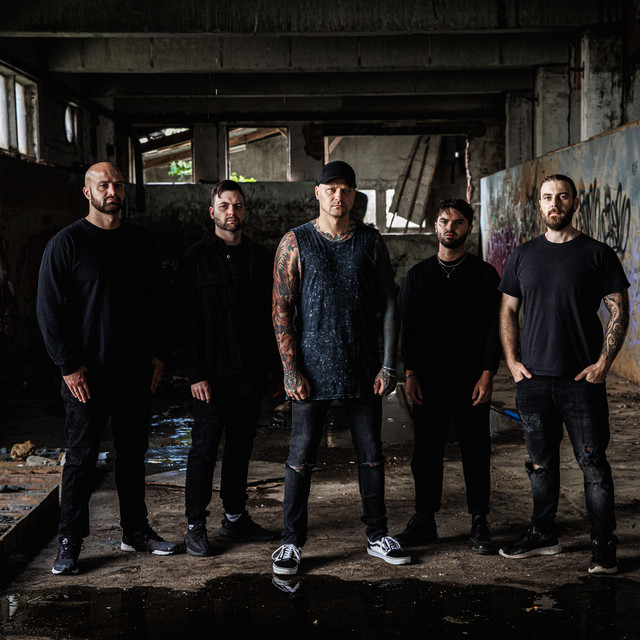
European metal's strength lies in its community networks, where veteran acts like Metallica can achieve historic milestones while tribute performers like Owens maintain connection with classic material. This ecosystem supports both innovation and tradition, allowing new metal bands 2026 to emerge while honoring established legacies.
The scene's diversity extends from extreme acts pushing boundaries to traditional bands maintaining classic approaches. Whether exploring atmospheric post-metal territories with acts like German doom/sludge experimentalists Kasan or celebrating traditional heavy metal with 80s metal bands influence, European metal provides space for every creative direction.
Looking Forward
As European metal continues evolving, these recent milestones demonstrate the scene's remarkable strength and diversity. Metallica's German record and Owens' Belgian success represent different aspects of the same phenomenon: European metal's capacity to celebrate both innovation and tradition simultaneously.
The continent's metal future looks increasingly bright, with established infrastructure supporting both international acts and local talent. From intimate club performances to record-breaking stadium shows, European metal provides platforms for every level of artistic expression.
For emerging bands seeking to join this vibrant community, the path forward involves understanding both local scene dynamics and broader European networks. The continent's metal ecosystem rewards authenticity, technical skill, and community engagement, providing opportunities for acts willing to contribute meaningfully to ongoing creative conversations.