Power Metal Legends and Creative Evolution: Roland Grapow's MASTERPLAN Returns While Judas Priest Embraces Traditional Sound
The European power metal landscape enters a fascinating period of renewal as legendary guitarist Roland Grapow prepares MASTERPLAN's ambitious new chapter while Britain's metal titans Judas Priest signal a deliberate return to their foundational sound. These parallel developments reveal how Continental metal veterans are navigating creative evolution in an increasingly complex musical landscape.
MASTERPLAN's Metalmorphosis: Power Metal's German Precision
Roland Grapow's MASTERPLAN stands ready to unleash "Metalmorphosis" through Frontiers Music, with the album's latest single "The Call" demonstrating the refined songcraft that has defined German power metal excellence for decades. Grapow, whose tenure with Helloween helped establish the Continental power metal template, continues to exemplify the meticulous approach that separates European power metal from its global counterparts.
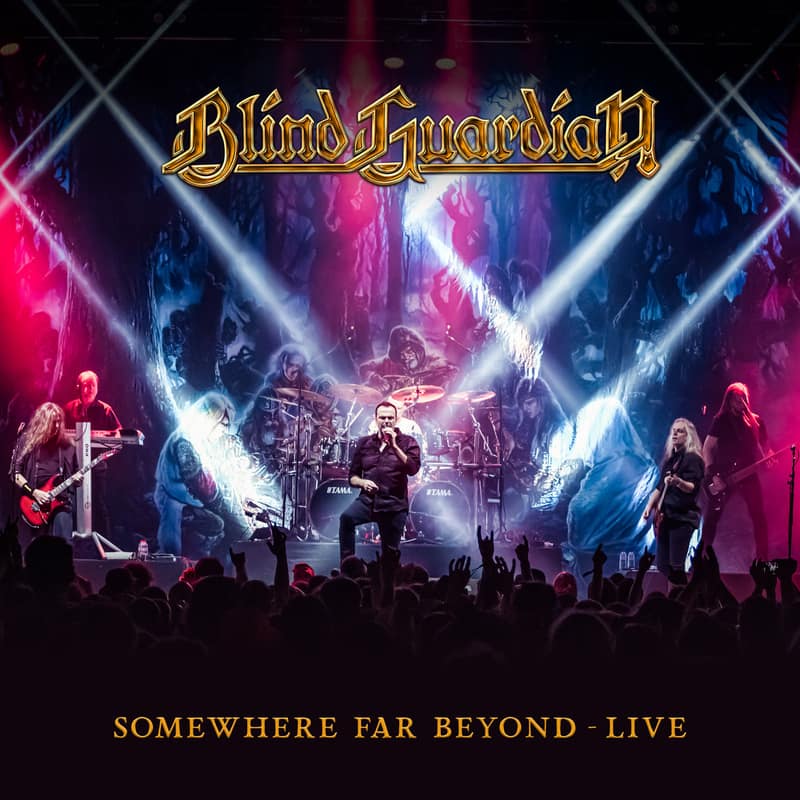
The timing of MASTERPLAN's return coincides with renewed interest in traditional power metal across Continental Europe, where bands like Blind Guardian have maintained creative momentum while newer acts explore the boundaries established by these pioneers. This German precision in power metal composition—characterized by technical proficiency balanced with anthemic accessibility—remains a distinctly European contribution to the broader metal spectrum.
MASTERPLAN's "The Call" represents more than just another single release; it signals the enduring vitality of European power metal's core values: sophisticated musicianship, melodic complexity, and theatrical presentation. These elements distinguish Continental power metal from the more aggressive approaches favored in other regions, creating a unique aesthetic that continues to influence global metal development.
Judas Priest's Traditional Renaissance
Across the English Channel, Judas Priest's Ian Hill confirms the band's commitment to a more traditional approach for their upcoming album, marking a conscious departure from the experimental elements of "Invincible Shield." This strategic shift toward their foundational sound reflects broader trends within European metal, where established acts increasingly embrace their classic elements rather than chasing contemporary trends.
The Birmingham legends' decision to emphasize traditional heavy metal approaches signals confidence in the enduring appeal of the sounds that originally defined European metal excellence. Hill's description of the new material as "shaping up to be a great classic" suggests deliberate craftsmanship that prioritizes songwriting fundamentals over technological innovation or genre-blending experimentation.
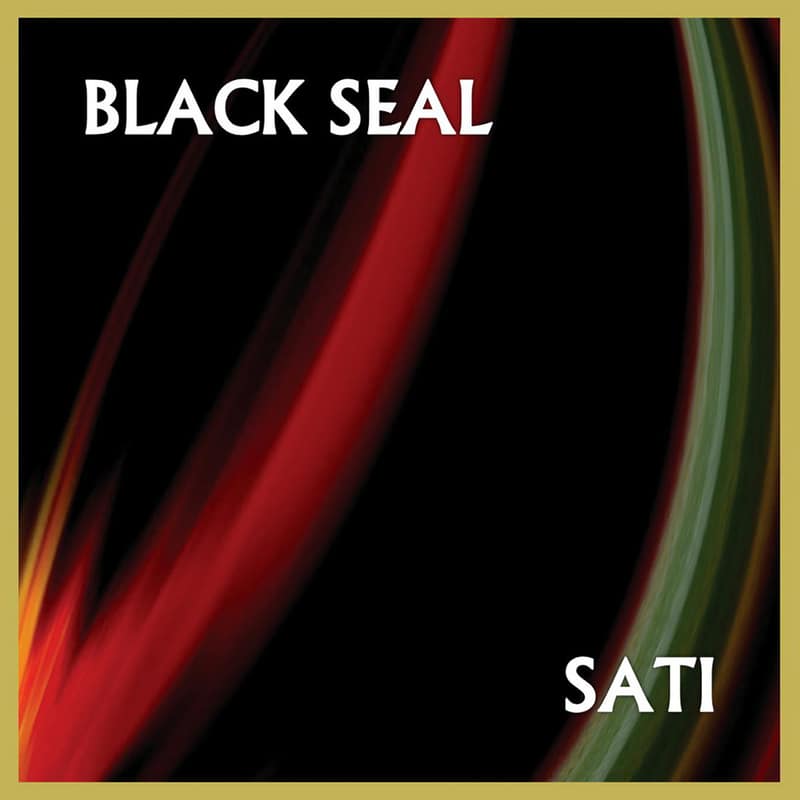
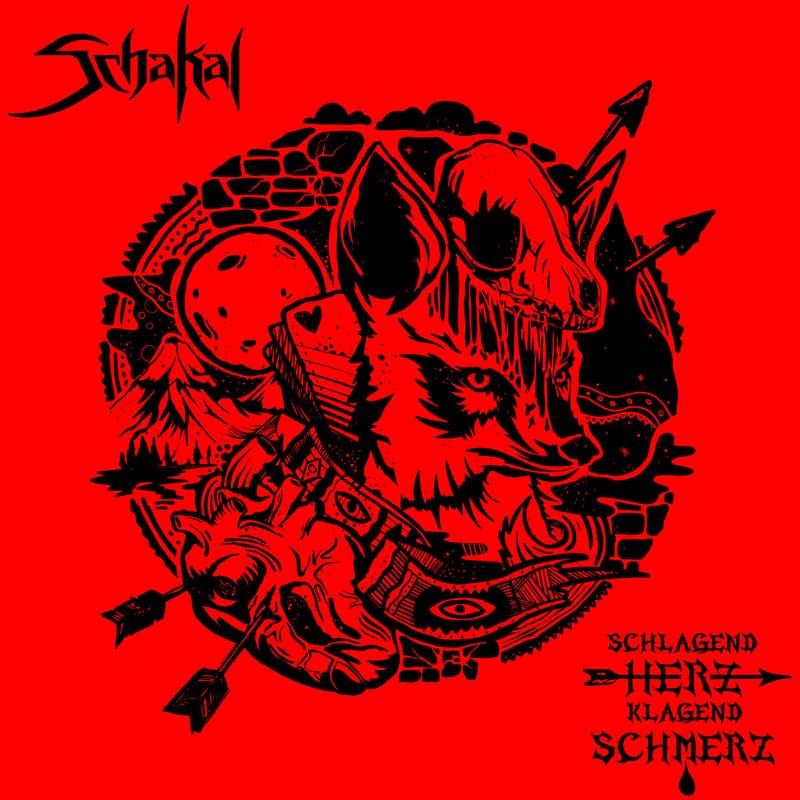
This traditional approach resonates throughout the European metal scene, where bands like Schakal and Black Seal continue to explore classic heavy metal and power metal territories with contemporary energy. The emphasis on traditional elements doesn't represent regression but rather sophisticated understanding of what makes European metal distinctive in the global marketplace.
Frankfurt's Metal Heritage Celebration
Metallica's recent Frankfurt performance, featuring covers of Accept's "Fast As A Shark," highlights the deep connections between European metal heritage and contemporary international acts. The choice to honor Accept during a German performance demonstrates respect for the Germanic metal tradition that helped establish Continental Europe as a metal powerhouse.
This tribute performance occurred in a city with rich metal heritage, where German bands have developed the precision-oriented approach that characterizes much Continental metal. The selection of Accept material specifically acknowledges the pioneering role German bands played in establishing speed metal and early power metal frameworks that continue to influence European scenes today.
The gesture also reflects how international touring acts increasingly recognize European metal's foundational contributions to global metal development. Frankfurt's Deutsche Bank Park becomes more than just a venue; it represents a cultural exchange where American metal giants acknowledge their European predecessors' lasting influence.
Creative Introspection and Artistic Evolution
Devin Townsend's recent reflections on completing "The Moth" reveal the philosophical challenges facing contemporary metal artists as they navigate increasingly complex creative landscapes. His description of landing in an "existential quandary" following the album's completion speaks to broader questions about artistic purpose and creative direction that resonate throughout European metal scenes.
This introspective approach to creativity reflects European metal's growing sophistication in addressing artistic purpose beyond mere entertainment. Continental metal acts increasingly embrace complex emotional and philosophical territories, moving beyond traditional themes to explore deeper psychological and existential concepts that reflect European intellectual traditions.
The artistic maturation evident in Townsend's reflections parallels developments across European metal, where bands consistently push conceptual boundaries while maintaining technical excellence. This balance between intellectual ambition and musical proficiency characterizes much of the Continental metal approach to creative development.
New Voices and Extreme Innovation
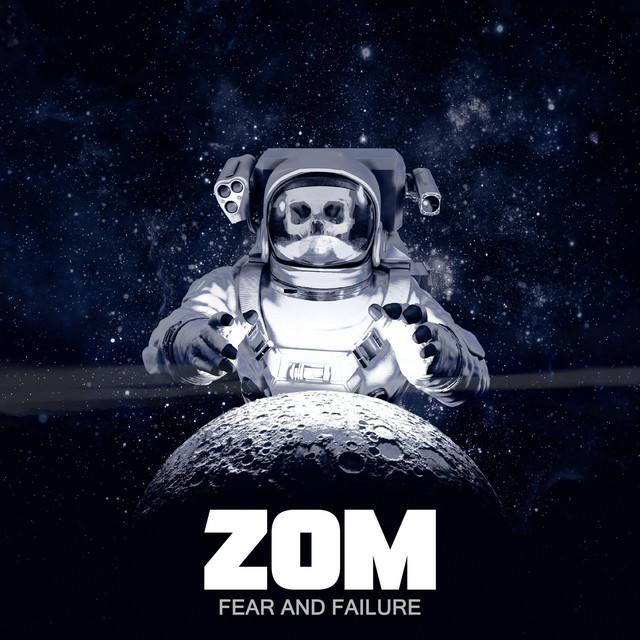
While established acts navigate traditional territories and creative introspection, Europe's extreme metal underground continues to generate innovative approaches to brutal expression. The Continental death metal scene, represented by acts like Nex and ZOM, demonstrates technical prowess that rivals any global metal development while maintaining distinctly European approaches to extreme music composition.
These newer voices complement the established power metal and traditional heavy metal scenes, creating a comprehensive European metal landscape that spans from accessible anthemic material to uncompromisingly brutal expressions. The diversity within Continental metal continues to expand, offering multiple entry points for audiences while maintaining high standards of musicianship across all subgenres.
European metal's strength lies in this diversity combined with consistent quality standards. Whether exploring traditional territories like MASTERPLAN and Judas Priest or pushing extreme boundaries through death metal innovation, Continental acts maintain sophisticated approaches to composition and performance that distinguish European metal in the global marketplace.
Continental Metal's Strategic Position
As Live Nation introduces affordable ticket pricing strategies that could reshape touring economics, European metal finds itself strategically positioned to benefit from increased accessibility. The combination of established festival infrastructure, diverse venue networks, and strong local scenes creates optimal conditions for both international touring acts and developing Continental bands.
The current moment represents significant opportunity for European metal expansion. Established acts like MASTERPLAN and Judas Priest provide proven draw power while emerging extreme metal acts demonstrate the scene's continued vitality. This combination of heritage respect and contemporary innovation positions European metal for sustained growth across multiple demographics and geographic markets.
European metal's evolution continues to influence global metal development through its emphasis on technical proficiency, conceptual sophistication, and diverse stylistic exploration. As these established and emerging acts navigate contemporary challenges, they maintain the high standards that have made Continental metal a consistently influential force in worldwide metal development.