Veteran Vocalists and Eurovision Legacy: Roy Khan's Solo Return While Finland's Eurovision Metal Spectacle Showcases European Mainstream Integration
The European metal scene continues to demonstrate its unique capacity for both artistic reinvention and mainstream cultural integration, as veteran vocalist Roy Khan prepares his long-awaited solo debut while Finnish Eurovision champions Lordi showcase metal's television crossover potential on German primetime.
Roy Khan's Creative Homecoming
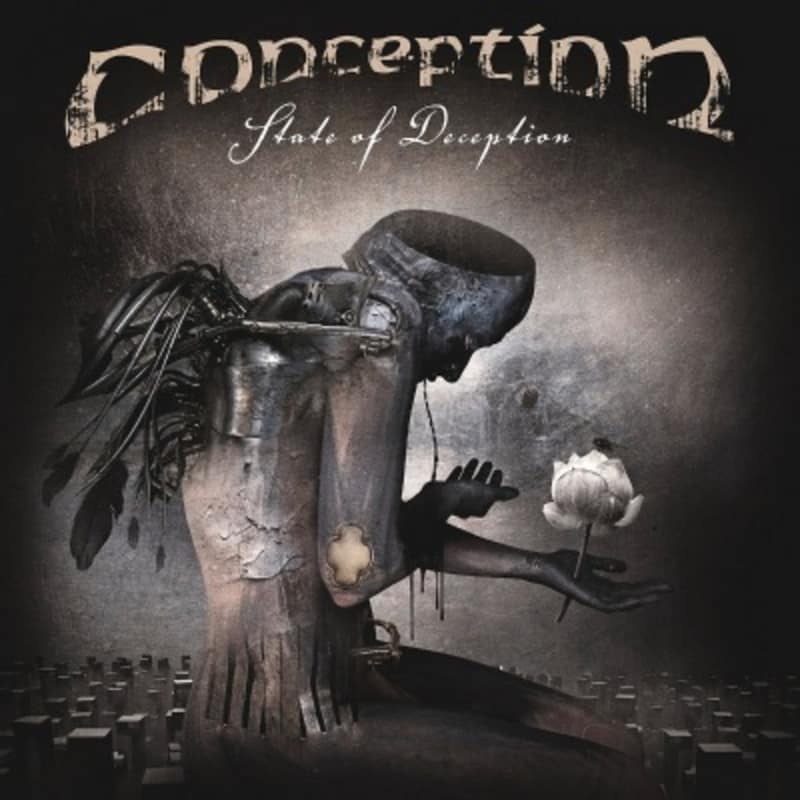
Former Kamelot frontman Roy Khan has announced his first solo album, tentatively scheduled for early 2027, marking a significant return for one of progressive metal's most distinctive voices. Working with renowned producer Sascha Paeth, Khan aims to capture the signature sound that defined Kamelot during his tenure with the band. This development represents more than just a solo venture—it signals the ongoing evolution of European progressive metal's vocal traditions.
Khan's return through Conception has already demonstrated his enduring vocal prowess, and this solo effort promises to bridge the gap between his Norwegian progressive metal roots and the symphonic metal innovations he helped pioneer. The collaboration with Paeth, whose production work has shaped numerous European metal classics, suggests a careful balance between nostalgia and forward-thinking artistry.
The announcement comes at a time when experienced European vocalists are increasingly asserting creative control over their artistic destinies. This trend reflects the maturation of the Continental metal scene, where established artists possess both the industry knowledge and fan base loyalty to pursue ambitious solo projects while maintaining their band commitments.
Eurovision Metal's Television Triumph
Meanwhile, Finland's Lordi continues to maximize the cultural impact of their 2006 Eurovision victory, appearing alongside Irish Eurovision legend Johnny Logan on Germany's long-running "ZDF Fernsehgarten" television program. Their collaborative performance of "Hard Rock Hallelujah" demonstrates European metal's sophisticated approach to mainstream media engagement and cross-generational appeal.
This television appearance represents far more than novelty entertainment—it showcases how European metal acts have learned to navigate traditional media landscapes while maintaining their artistic integrity. Lordi's ability to translate their theatrical heavy rock approach to prime-time German television illustrates the Continental scene's media sophistication and cultural adaptability.
The collaboration with Logan, a three-time Eurovision winner, creates an intriguing bridge between different eras of European popular music. This type of cross-pollination demonstrates how metal has become an integral part of the broader European cultural conversation, rather than remaining confined to genre-specific audiences.
Progressive Heritage and Future Directions
Khan's solo project particularly resonates within the context of European progressive metal's ongoing evolution. His work with both Conception and Kamelot helped establish the template for sophisticated, melodically-driven progressive metal that has become a European specialty. The decision to work with Paeth, whose studio work spans decades of European metal production, suggests a commitment to maintaining those production values while exploring new creative territories.
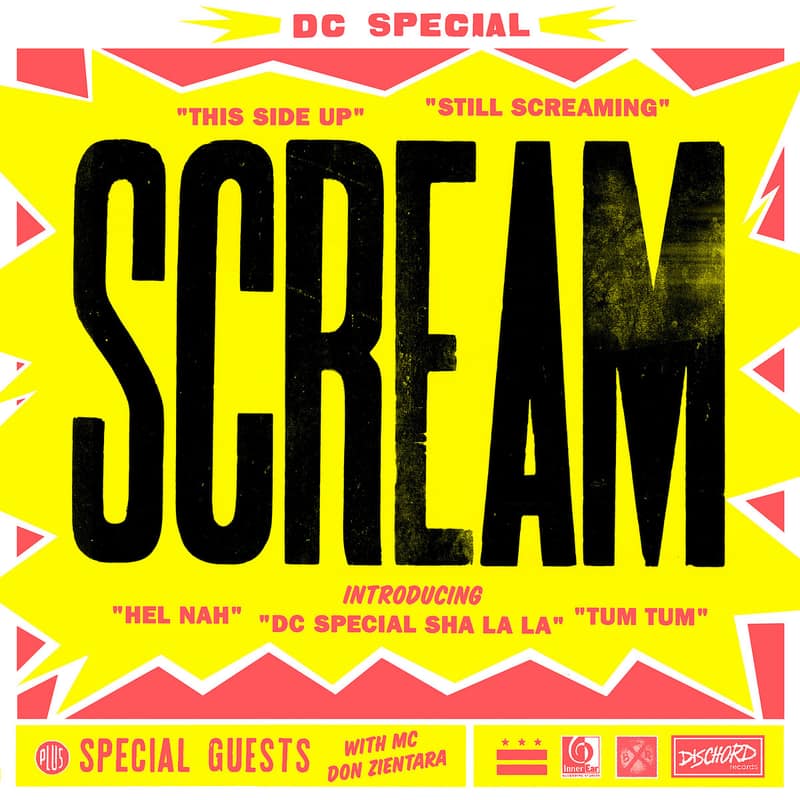
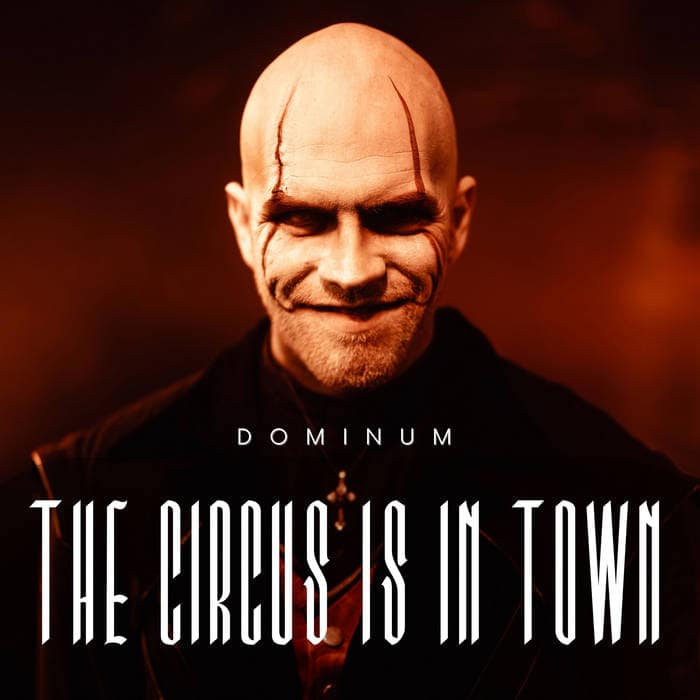
The timing of Khan's return coincides with a broader renaissance in European progressive and power metal. Bands like Dominum and Scream continue to carry forward these traditions while newer acts push the boundaries of what constitutes progressive metal in the modern era.
Television Metal's Cultural Impact
Lordi's television strategy reflects a uniquely European approach to metal's mainstream integration. Unlike their American counterparts, who often face resistance when crossing into traditional media, European metal acts have found more receptive audiences for their television appearances. This cultural difference stems partly from Eurovision's role in legitimizing metal as serious entertainment, but also from the Continental television industry's greater willingness to embrace diverse musical genres.
The success of such appearances creates opportunities for other European metal acts to explore similar mainstream ventures. Finnish acts in particular have leveraged their Eurovision connection to secure television appearances that would be difficult to imagine in other markets.
Continental Metal's Strategic Evolution
These developments illustrate the strategic thinking that increasingly characterizes the European metal scene. Rather than simply following established patterns, acts like Khan and Lordi are creating new models for career longevity and cultural relevance. Khan's solo venture represents the individual artistic expression side of this evolution, while Lordi's television work demonstrates the collective cultural integration approach.
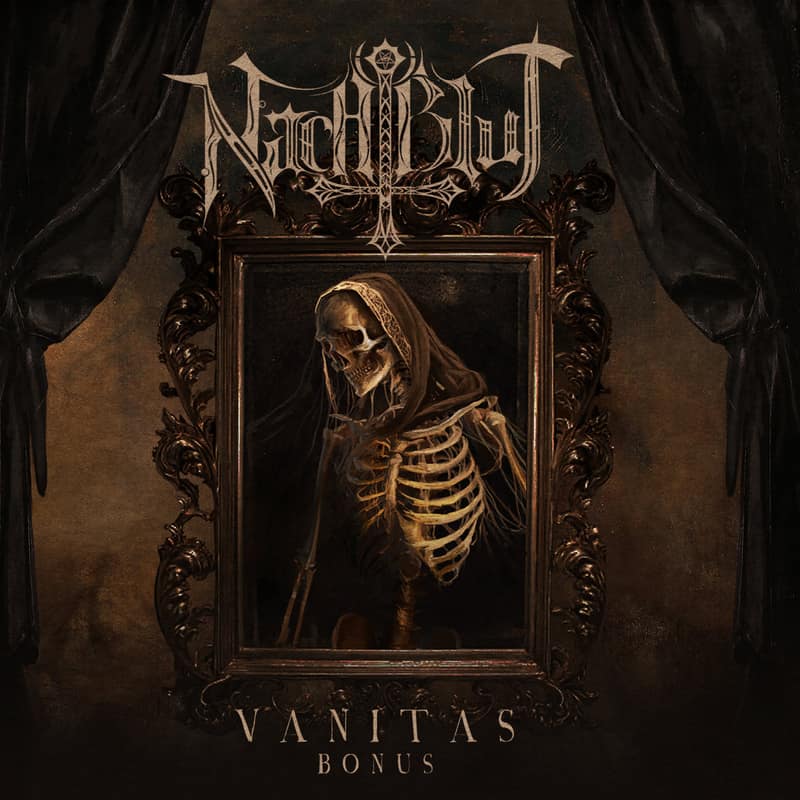
Both strategies reflect the maturation of European metal from a primarily underground phenomenon to a sophisticated entertainment industry capable of supporting diverse career paths and creative expressions. This evolution has created space for acts like Nachtblut in gothic metal and atmospheric acts across various subgenres to find their audiences and sustain long-term careers.
Production Values and Artistic Standards
Khan's choice to work with Sascha Paeth highlights the importance of production quality in modern European metal. Paeth's track record with both symphonic and progressive metal acts makes him an ideal collaborator for an artist seeking to bridge different aspects of the European metal tradition. This attention to production values reflects the high standards that European audiences have come to expect from their metal acts.
The emphasis on production quality extends beyond individual projects to influence the entire European metal ecosystem. Studios across the continent have developed specialized expertise in different metal subgenres, creating a network of production resources that supports both established acts and emerging bands.
Looking Forward
As European metal continues to evolve, the examples set by Khan's artistic return and Lordi's media savvy provide templates for other acts seeking to maximize their impact and longevity. The combination of artistic ambition and strategic thinking that characterizes both approaches suggests a scene that has learned to balance creative integrity with practical career considerations.
These developments also highlight the unique advantages that European metal acts possess in terms of cultural acceptance and media access. The Continental scene's ability to support both underground innovation and mainstream crossover creates opportunities that don't exist in many other metal markets worldwide.
For emerging European metal acts, these examples demonstrate the importance of thinking beyond traditional genre boundaries and career paths. The European scene's diversity and cultural integration offer multiple routes to success for acts willing to combine musical excellence with strategic vision.
Whether through solo artistic ventures or mainstream media integration, European metal continues to demonstrate its capacity for innovation and growth, setting standards that influence the global metal community while maintaining its distinctive Continental character.