European Metal's Touring Renaissance: The Rasmus Lead Finnish Revival as Swedish Theatricality Explodes Continental Circuit
The European metal circuit is witnessing an unprecedented surge in touring announcements that signals not just recovery, but transformation. As Continental acts reclaim their creative confidence and expand their territorial reach, the landscape reveals fascinating patterns about regional metal development and the evolving relationship between established scenes and emerging theatrical movements.
Finnish Rock's Strategic Continental Expansion
The Rasmus's announcement of an extensive 2027 European tour marks a significant moment for Finnish rock's international positioning. Following what they describe as "an extremely successful 2025 and a very busy 2026," the Helsinki-based outfit's 23-date Continental expedition represents more than mere touring—it's a calculated assertion of Finnish rock's enduring appeal beyond the Nordic territories.
The inclusion of Skarlett Riot as special guests on UK dates demonstrates the sophisticated booking strategies emerging across European markets. This approach of pairing established Finnish acts with rising British talent creates compelling value propositions for promoters while fostering cross-pollination between regional scenes.
Finland's metal and rock exports have long punched above their weight in international markets, from the symphonic grandeur of established acts to the innovative approaches of newer generation bands. The Rasmus's sustained touring presence validates the durability of Finnish melodic sensibilities in an increasingly diverse European metal ecosystem.
Swedish Theatrical Metal's Momentum
Avatar's confirmation of November/December 2026 European dates following their Metallica support slot represents another facet of Scandinavian metal's evolving international strategy. The Swedish theatrical metal specialists have spent years developing their distinctive visual approach, and their progression from festival stages to Metallica support to headline European tours illustrates the strategic patience required for sustainable international growth.
The theatrical metal movement across Europe continues gaining traction, with Swedish acts often leading innovation in stage presentation and conceptual album development. Avatar's approach—combining technical proficiency with elaborate visual concepts—has become a template for emerging Continental acts seeking to differentiate themselves in crowded markets.
This theatrical emphasis resonates particularly strongly in European markets, where audiences have historically embraced elaborate stage productions and conceptual approaches. The success of Swedish theatrical metal creates opportunities for similar Continental acts to develop their own distinctive presentations.
Metalcore's Eastern European Renaissance
Denis Shaforostov's continued work with Drag Me Out represents the maturation of Eastern European metalcore beyond its early-2000s foundations. The Ukrainian-born vocalist's journey through international acts and return to regional scene leadership demonstrates the circular nature of metal talent development across Continental borders.
The new single "Can't Keep On Running Away" arrives through Life Or Death Records, highlighting the infrastructure development supporting Eastern European metal exports. This represents significant progress from the region's earlier reliance on Western European label partnerships for international distribution.
Eastern European metalcore has evolved considerably from its initial Western imitation phase, developing distinctive characteristics that blend regional musical traditions with contemporary metal frameworks. Acts like Emily Rose continue this evolution, demonstrating how Continental metalcore scenes have found their authentic voices.
Iron Maiden's European Circuit Mastery
Iron Maiden's Athens performance of "Infinite Dreams"—the first time in 38 years—underscores Greece's emerging importance as a European metal destination. The Olympic Athletic Center venue choice demonstrates how established acts are recognizing Southern European markets as crucial tour components rather than afterthoughts.
The rarity of this particular track performance highlights how European audiences receive special treatment in terms of setlist variations and unique presentations. This approach recognizes Continental metal fans' deep catalog knowledge and appreciation for historical significance.
The "Run For Your Lives" tour's European leg demonstrates how legendary acts continue using Continental dates to experiment with setlist variations and gauge audience reactions to rare material. This creates a feedback loop that benefits both established acts and the European metal ecosystem.
Cross-Atlantic Collaboration Trends
The Dean DeLeo and Pete Shoulder partnership in One More Satellite represents the increasing frequency of transatlantic metal collaborations. The Stone Temple Pilots guitarist's work with UK-based vocalist Pete Shoulder demonstrates how established American musicians are seeking European creative partnerships.
These collaborations often result in material that synthesizes American alternative metal approaches with European atmospheric sensibilities. The project's completion of their second album suggests sustained creative chemistry rather than novelty-driven one-off experiments.
Such partnerships frequently lead to European touring opportunities that might not otherwise exist, creating additional revenue streams for Continental venues and supporting acts. The model provides template for similar future collaborations.
Continental Metal's Evolving Identity
The collective activity across Finnish rock, Swedish theatrical metal, Eastern European metalcore, and various international partnerships reveals European metal's growing confidence in its distinctive identity. Rather than following American trends, Continental scenes are developing approaches that leverage their cultural advantages and audience characteristics.
European metal bands touring 2026 and beyond are demonstrating sophisticated understanding of market segmentation and audience development. The strategic planning evident in multi-year touring announcements suggests professional infrastructure that rivals any global metal market.
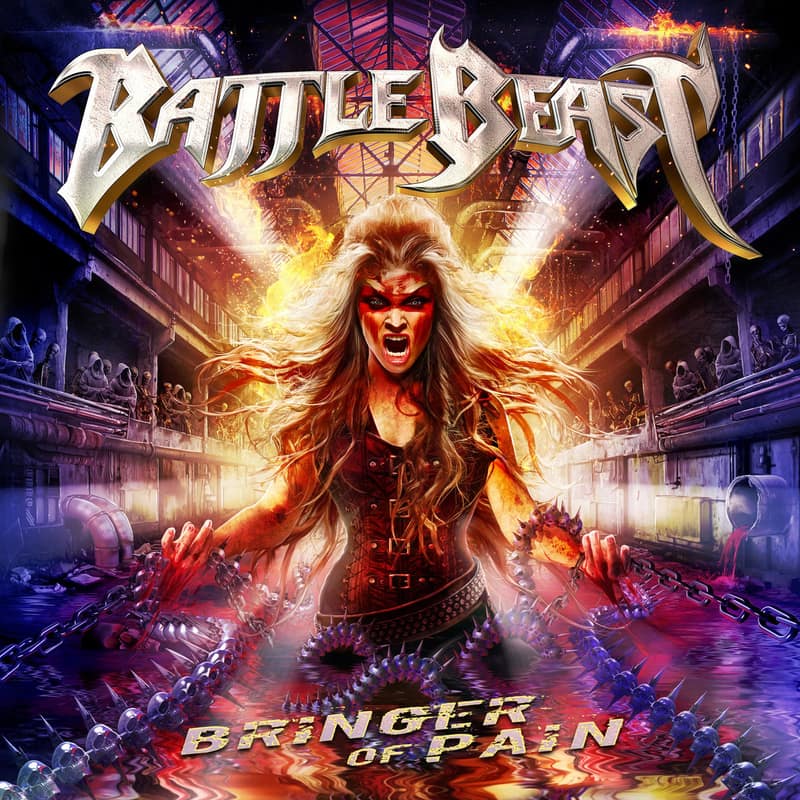
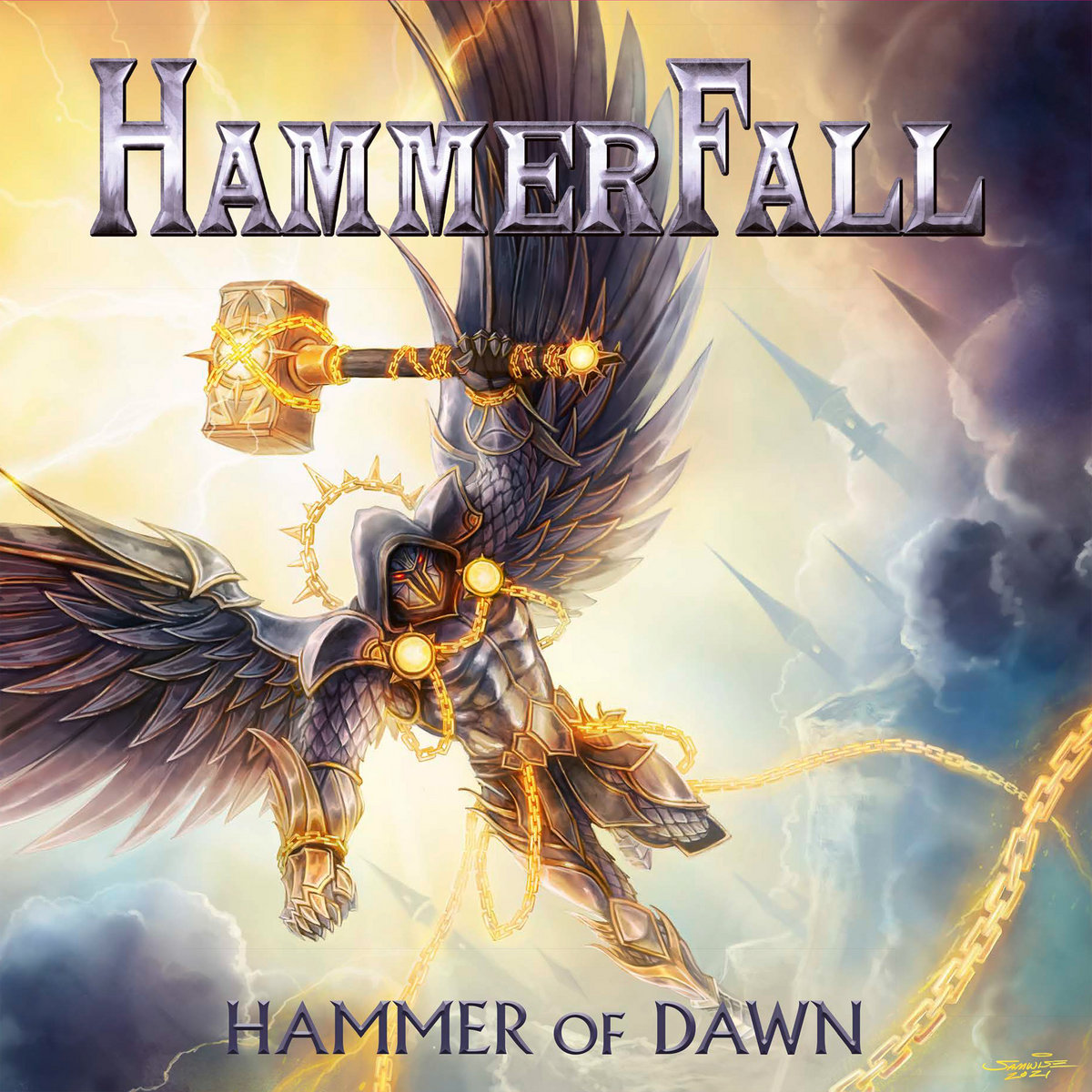
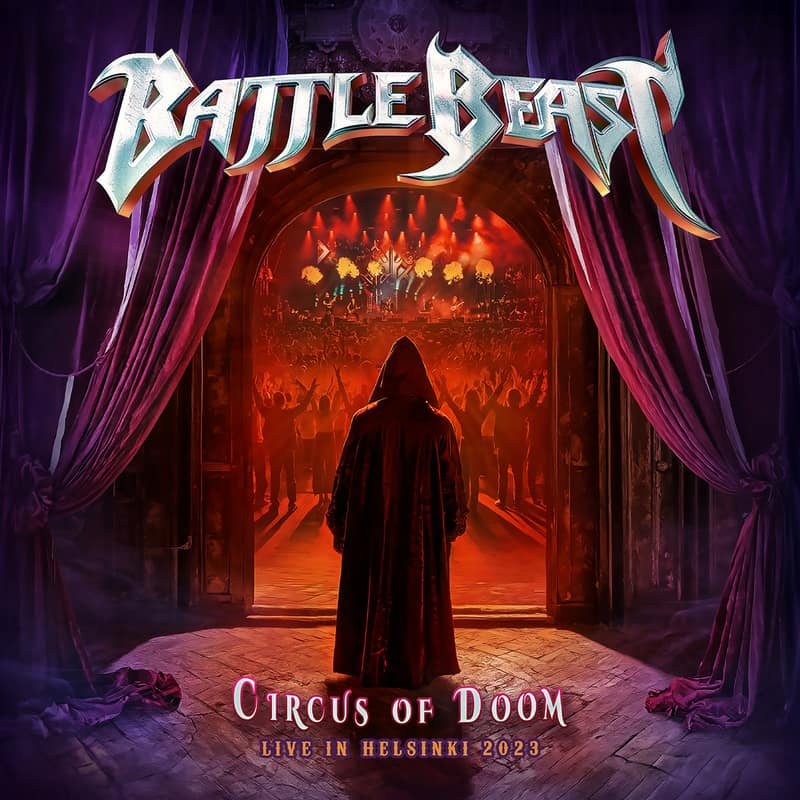
The theatrical elements increasingly prominent in European metal—from Swedish conceptual presentations to Finnish melodic grandeur—reflect audience expectations that differ significantly from other global markets. This creates opportunities for acts like Battle Beast and HammerFall to maintain their distinctive approaches while expanding their reach.
Infrastructure and Future Development
The density of touring announcements across multiple European territories indicates robust infrastructure development that supports sustained international metal activity. From venue capacity to technical production capabilities, Continental Europe has developed metal-specific resources that enhance touring viability.
The geographic diversity of announced tours—spanning Nordic territories, Central Europe, Southern European markets, and British Isles—demonstrates how European metal has moved beyond traditional market limitations. This creates opportunities for emerging acts to develop sustainable touring circuits without immediate American market dependence.
Looking toward 2027 and beyond, European metal's touring renaissance appears positioned for sustained growth rather than cyclical peak activity. The combination of established act stability, emerging talent development, and infrastructure sophistication creates foundation for continued evolution.
For bands seeking to understand these developments or connect with European metal communities, exploring upcoming shows provides insights into touring patterns and audience engagement opportunities across Continental markets.