Industrial Evolution: Apocalyptica's Recording Renaissance and European Metal's Genre-Blending Innovation
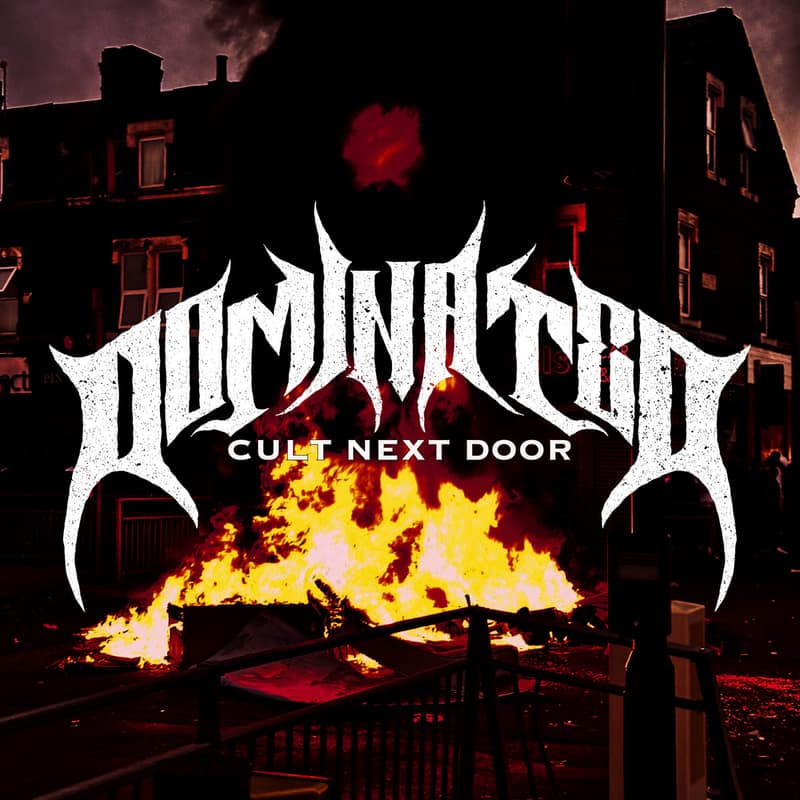
The intersection of orchestral innovation and heavy electronics continues to define European metal's experimental edge, as Finnish cello metal pioneers Apocalyptica return to active recording while cross-genre collaboration becomes the continent's defining creative characteristic. This convergence of traditional instrumentation with modern production techniques represents a broader shift in how European metal artists approach genre boundaries and creative partnerships.
Finnish Orchestral Metal's New Chapter
Apocalyptica's announcement of new recording activity signals a significant moment for European metal's orchestral wing. The Finnish ensemble, which has spent decades proving that metal's power transcends traditional instrumentation, represents a uniquely European approach to genre expansion that has influenced countless Continental acts. Their return to active recording comes at a time when orchestral elements have become increasingly common across European metal subgenres.
The band's influence on European metal cannot be overstated. From their early Metallica interpretations to their original compositions featuring collaborations with metal legends, Apocalyptica has consistently demonstrated that innovation often comes from stripping away conventional elements rather than adding more distortion. This philosophy has become characteristic of European metal's approach to creative evolution.
Their recording activity coincides with a broader trend of European metal bands incorporating unconventional instruments and arrangements. The Continental scene has long been more receptive to experimental approaches than their American counterparts, creating an environment where orchestral metal can flourish alongside more traditional subgenres.
Cross-Genre Experimentation Defines Continental Innovation
The recent emergence of genre-blending acts demonstrates European metal's willingness to incorporate elements from hip-hop, electronic music, and even nostalgic internet culture aesthetics. This experimental approach has become a hallmark of Continental metal bands seeking to distinguish themselves in an increasingly crowded global market.
European metal's embrace of genre fusion reflects the continent's diverse musical heritage and multilingual culture. Unlike scenes dominated by single linguistic traditions, European metal benefits from cross-cultural pollination that naturally encourages experimentation. This cultural diversity has produced some of the most innovative metal acts of the past decade.
The trend extends beyond simple genre mixing to encompass technological innovation and production techniques that European studios have pioneered. Continental metal bands increasingly view genre boundaries as suggestions rather than rules, leading to creative combinations that would be considered risky in more conservative markets.
Label Partnerships and Industry Evolution
Recent label signings across the European metal scene indicate a shift in how Continental acts approach their business relationships. Independent labels have become increasingly sophisticated, offering artists more creative freedom while maintaining professional distribution networks. This evolution has allowed European metal bands to maintain their experimental edge while accessing broader audiences.
The relationship between European metal acts and their labels has traditionally been more collaborative than hierarchical, reflecting the continent's generally more artist-friendly approach to music business. This partnership model has become increasingly attractive to American acts seeking alternatives to major label constraints.
Label diversity has also encouraged regional specialization, with some European labels focusing on specific subgenres while others embrace eclectic rosters. This specialization has allowed niche subgenres to develop dedicated audiences and distribution networks that might not exist in more centralized markets.
Live Performance Innovation and European Touring
The European metal touring circuit continues to evolve as bands embrace more theatrical and conceptual approaches to live performance. The continent's dense network of venues and relatively short travel distances between major cities has created an ideal environment for experimental live shows that might be prohibitively expensive elsewhere.
European metal festivals have become laboratories for new performance concepts, with acts using these platforms to debut elaborate stage productions that later influence touring setups worldwide. The festival circuit's emphasis on diversity and innovation has encouraged bands to develop unique visual and sonic presentations.
Progressive metal acts particularly benefit from European audiences' patience with longer compositions and complex arrangements. The Continental touring circuit has become essential for ambitious progressive metal acts seeking to present their material in full-length formats that American venues often find commercially challenging.
Regional Scene Development and Underground Networks
European metal's strength lies partly in its robust underground networks that support emerging acts while maintaining connections to established scenes. These networks have become increasingly sophisticated, utilizing digital platforms while maintaining the personal relationships that have always characterized Continental metal communities.
Regional scenes across Europe have developed distinct characteristics while maintaining cross-border communication and collaboration. This balance between local identity and Continental unity has produced a metal scene that is both diverse and cohesive, allowing for the rapid spread of innovations while preserving regional traditions.
The underground networks have proven particularly effective at supporting extreme subgenres that might struggle to find commercial viability. Black metal, grindcore, and other extreme forms have flourished in European scenes that prioritize artistic integrity over commercial considerations, creating sustainable ecosystems for challenging music.
Technology Integration and Modern Production
European metal studios have embraced technological innovation while maintaining respect for traditional recording techniques. This balance has produced a distinctive Continental sound that incorporates modern clarity and precision without sacrificing the organic elements that give metal its emotional impact.
The integration of electronic elements has become particularly sophisticated in European metal production, with acts seamlessly blending programmed and acoustic elements in ways that enhance rather than replace traditional instrumentation. This technical proficiency has made European studios increasingly attractive to international acts seeking innovative production approaches.
Digital distribution has democratized European metal to some extent, allowing smaller acts to reach audiences across multiple countries without traditional label support. However, the most successful acts still combine digital strategies with traditional touring and physical media sales, suggesting that personal connection remains crucial in metal culture.
Cultural Impact and Future Directions
European metal's influence on global music culture extends far beyond the genre itself, with Continental innovations in production, performance, and business practices being adopted by artists across multiple genres. The European approach to balancing tradition with innovation has become a model for sustainable artistic development.
The continent's metal scene continues to attract international attention as a source of both established excellence and emerging innovation. European festivals, venues, and studios have become essential destinations for metal acts worldwide, cementing the continent's position as a creative center for heavy music.
As European metal enters a new phase of development, the emphasis on experimentation and cross-cultural collaboration suggests continued innovation. The combination of strong traditional foundations with openness to new influences positions Continental metal to remain influential as the genre continues to evolve globally.
For those interested in exploring the depth of the European metal scene, our comprehensive upcoming shows listings provide insight into the continent's diverse live music offerings, while emerging acts can connect with this vibrant community by choosing to submit your band for inclusion in our growing directory.