Industrial Thrash Pioneers Abel Lead European Metal's Vintage Revival as The Western Front Unleashes Lost '80s Masterpiece
Lost Tapes and Industrial Fury: Europe's Metal Heritage Resurfaces
The European metal scene is experiencing a fascinating collision between industrial innovation and vintage discovery, as underground thrash pioneers Abel continue pushing boundaries while legendary project The Western Front prepares to release material that's been gathering dust for nearly four decades.
The Western Front, featuring Thin Lizzy's Scott Gorham, has just unveiled their latest single "Rain" from the forthcoming album "Eureka," set for release this July through Music Theories Recordings. This isn't just another comeback story—it's archaeological metal, representing a creative time capsule from the 1980s that showcases the cross-pollination between Irish hard rock legends and the broader European metal movement that was quietly brewing during that pivotal decade.
What makes this development particularly intriguing is how it mirrors the current state of European metal, where bands like Abel are fusing industrial elements with thrash metal foundations, creating something that feels both futuristic and rooted in metal's formative years. The industrial metal scene across Continental Europe has been gaining significant momentum, with bands exploring the intersection of electronic elements and crushing riffs that defined the genre's early innovators.
Continental Touring Renaissance Signals Scene Maturation
The European metal scene's growing confidence is perhaps best exemplified by the announcement of Mental Cruelty's first major European headlining tour, joined by Ov Sulfur, Extermination Dismemberment, and Sun Eater. This marks a significant milestone for extreme metal's Continental presence, demonstrating how European venues and audiences have become essential proving grounds for the genre's most uncompromising acts.
Adding to this touring explosion, Colorado doom metal legends Khemmis have announced their European trek with Celestial Sanctuary, scheduled for October. The inclusion of European support acts on these international tours reflects the Continent's status as more than just a market to be conquered—it's become a creative partner in metal's global conversation.
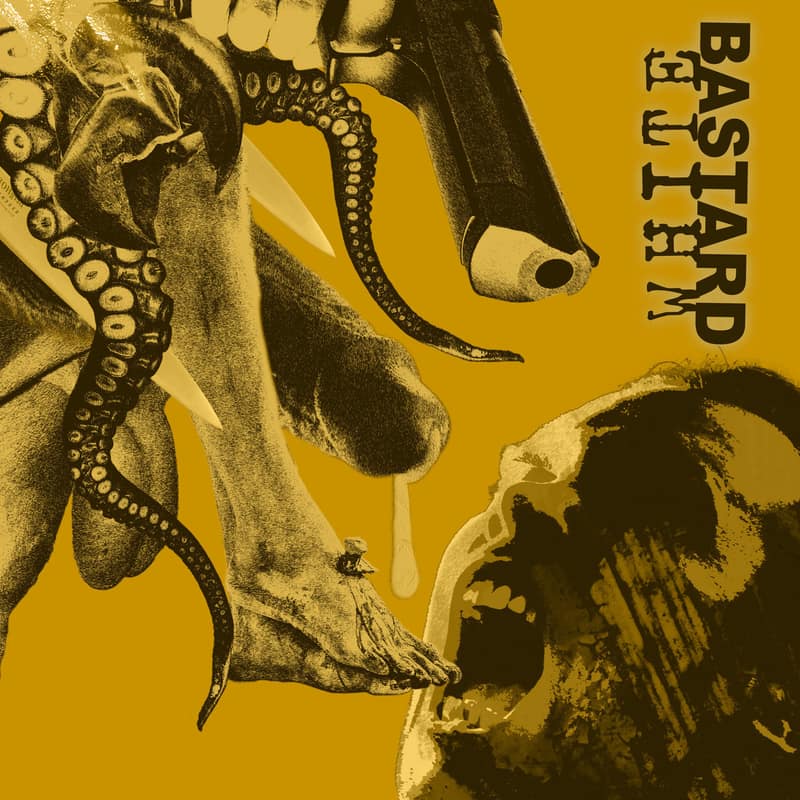
For European thrash acts like White Bastard and Crimes, these touring developments represent unprecedented opportunities. The infrastructure that's developed around extreme metal touring has created pathways for local acts to share stages with international headliners, fostering the kind of cross-cultural metal dialogue that produces the best metal bands and most innovative approaches to the genre.
The 1980s Connection: Why Vintage Metal Matters to Modern European Scenes
The Western Front's "Eureka" release taps into something deeper than nostalgia—it represents the DNA of European metal's evolution. The 80s metal bands that emerged from this continent weren't just copying American or British templates; they were developing distinct approaches that would later influence everything from black metal's atmospheric darkness to industrial metal's mechanical precision.
Scott Gorham's involvement in The Western Front connects directly to this heritage. Thin Lizzy's influence on European hard rock and early metal cannot be overstated, particularly in how they demonstrated that melody and aggression could coexist without sacrificing either element. This philosophy resonates strongly with current European acts who refuse to be pigeonholed into extreme versus accessible categories.
The fact that this material is only now seeing release speaks to metal's unique relationship with time. Unlike other genres that prioritize immediate relevance, metal often treats its archives as living documents. European metal fans understand this better than most—the Continent's deep historical consciousness extends naturally to its approach to musical heritage.
Industrial Innovation Meets Traditional Craftsmanship
The current European industrial metal scene, exemplified by bands like Abel, represents a fascinating synthesis of old-school metal craftsmanship and cutting-edge sonic exploration. Unlike their American counterparts who often treat industrial elements as studio effects, European acts tend to integrate electronic components as fundamental structural elements.
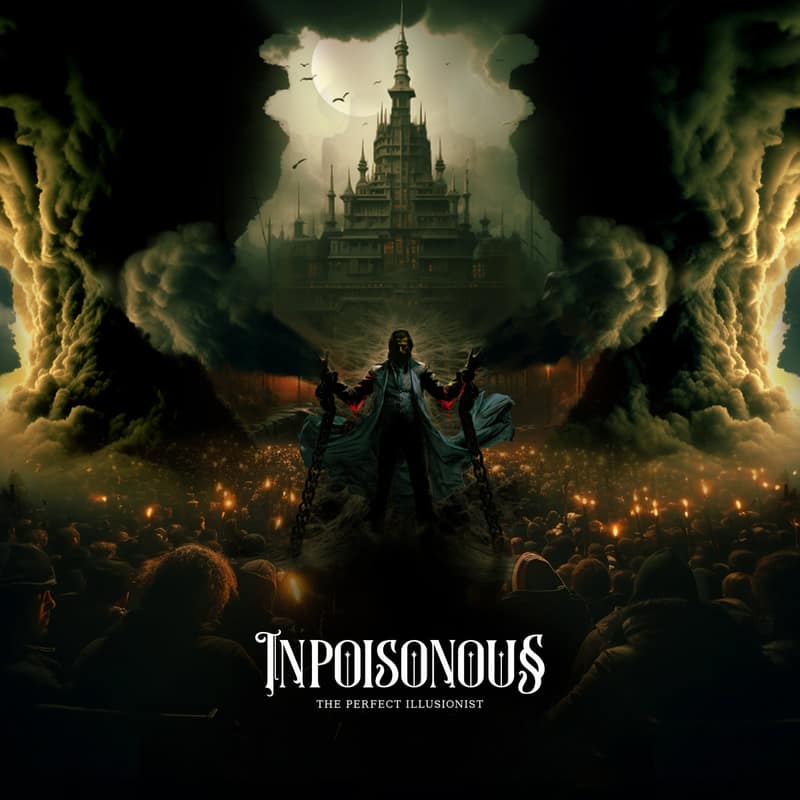
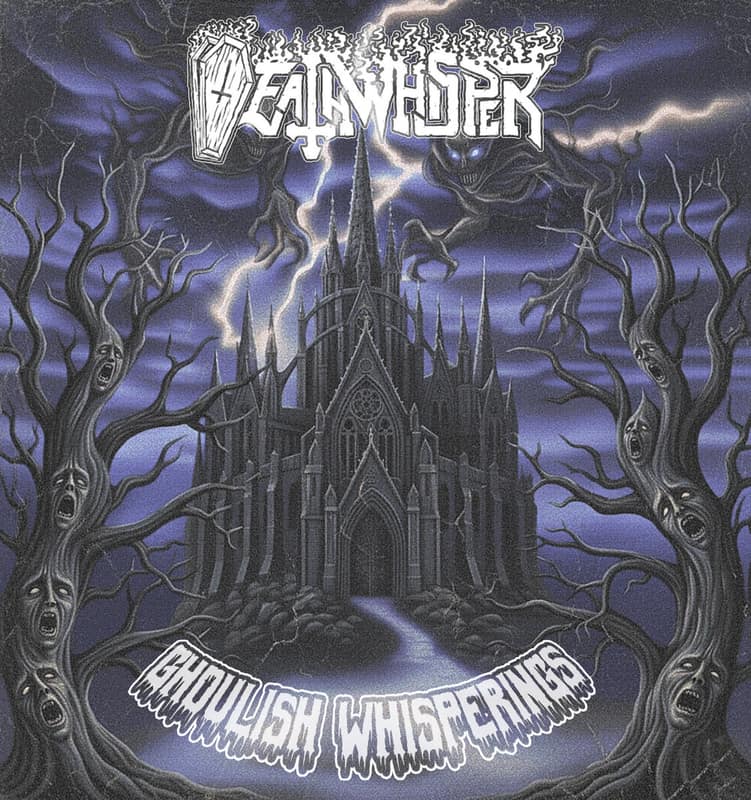
This approach reflects broader European metal philosophy—the idea that innovation should serve songs rather than dominate them. Bands like Deathwhisper in the speed metal realm and Inpoisonous in traditional heavy metal demonstrate similar commitment to balance, proving that new metal bands 2026 can honor tradition while pushing boundaries.
The industrial thrash hybrid that's emerging across Continental Europe owes much to this careful balance. Rather than simply adding electronic noise to thrash templates, bands are reimagining what aggressive music can accomplish when precision meets chaos.
The Danish Collector Phenomenon and European Metal Culture
Recent news of Danish Iron Maiden superfan Rasmus Stavnsborg's 10,000-piece collection spread across six rooms highlights something unique about European metal culture—the deep, almost scholarly approach to preservation and appreciation. This isn't casual fandom; it's cultural documentation.
European metal scenes have always treated the genre's history as something worth preserving, studying, and building upon. This collector culture creates feedback loops where bands understand they're contributing to something larger than individual careers. When European acts see their work treated with this level of reverence, it naturally encourages more thoughtful, intentional approaches to songwriting and recording.
This cultural context explains why European metal bands touring 2026 often incorporate extensive back-catalog material and why audiences expect deep cuts alongside crowd favorites. The best metal albums of all time are treated as ongoing conversations rather than museum pieces.
Looking Forward: What These Developments Signal
The convergence of industrial innovation, vintage discovery, expanded touring infrastructure, and deep cultural appreciation positions European metal for another evolutionary leap. The Continental scene has matured beyond simply supporting international acts—it's becoming a creative engine that influences global metal development.
For emerging European bands, this creates unprecedented opportunities but also higher expectations. The infrastructure exists to support creative risk-taking, but audiences educated by decades of metal excellence demand authenticity and innovation in equal measure.
The Western Front's "Eureka" and the industrial thrash surge led by acts like Abel represent different facets of the same phenomenon—European metal's confidence in its own voice. Whether mining the past or constructing the future, Continental metal acts understand they're not working in anyone else's shadow.
As these trends continue developing throughout 2026, European metal fans can expect more archaeological discoveries, more innovative fusion projects, and more international recognition of the Continent as metal's most vital creative laboratory. The best heavy metal songs of tomorrow are being written today in rehearsal spaces from Scandinavia to the Mediterranean, carrying forward four decades of innovation while remaining fearlessly committed to metal's fundamental promise: that music can be both brutally honest and transcendently beautiful.