Metal Multimedia Revolution: Horror Icon John Carpenter Goes Metal While Iron Maiden's Bruce Dickinson Expands Graphic Novel Empire
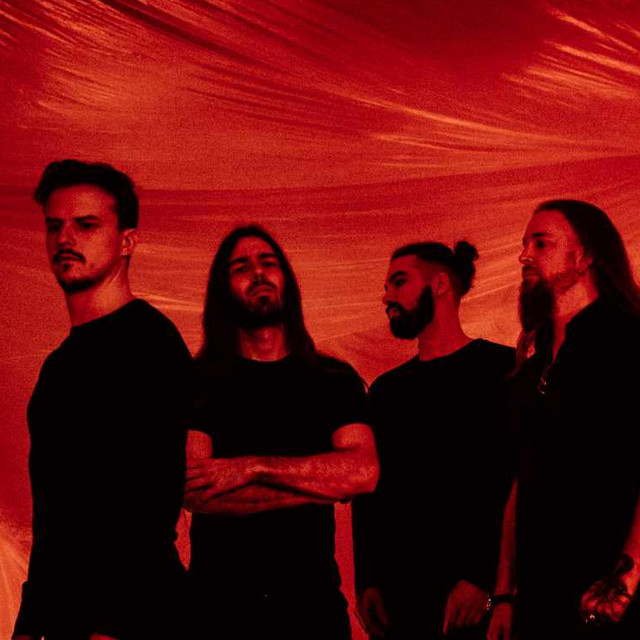
The boundaries between metal music and visual storytelling continue to dissolve as multimedia projects reshape how European and international metal artists connect with audiences. Horror film legend John Carpenter's entrance into metal territory with his upcoming 'Cathedral' album and graphic novel represents a fascinating convergence of atmospheric storytelling and heavy sound, while Iron Maiden's Bruce Dickinson expands his literary universe with the next chapter of 'The Mandrake Project' graphic novel series.
When Cinema Meets Distortion: Carpenter's Metal Evolution
John Carpenter's decision to explore metal music through 'Cathedral' marks an intriguing development in how established artists from adjacent creative fields approach heavy music. Known for his masterful horror soundtracks and films like 'The Thing', Carpenter brings a cinematic sensibility that could influence how European metal scene artists approach atmospheric composition and narrative structure.
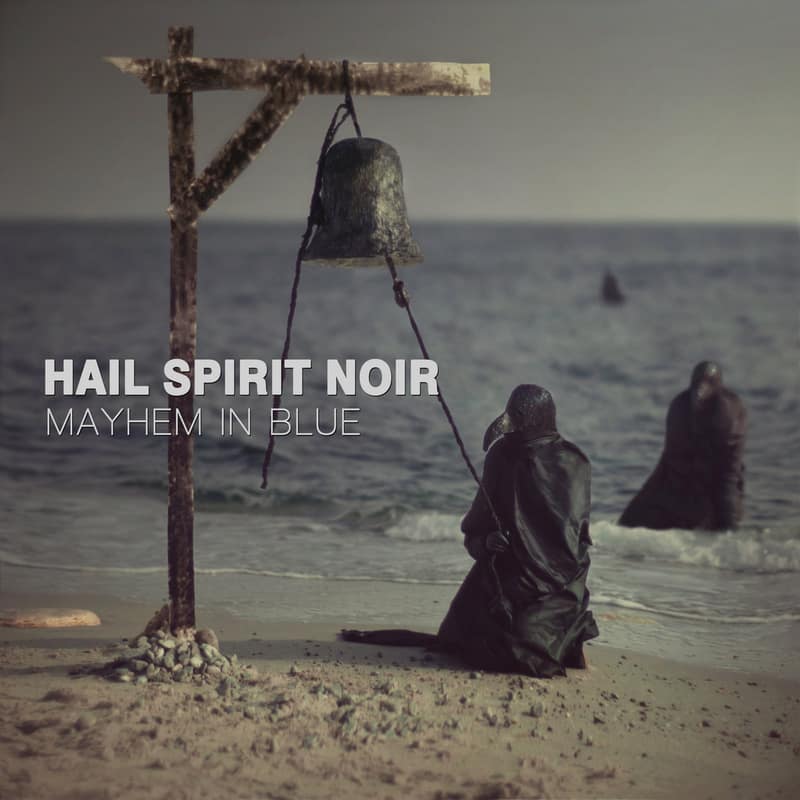
The multimedia approach—combining album and graphic novel—reflects a growing trend among creative artists who understand that modern audiences consume stories across multiple formats. This strategy resonates particularly well within European metal communities, where bands like Hail Spirit Noir have long explored the intersection between progressive storytelling and atmospheric black metal.
Carpenter's horror background suggests his metal work will prioritize mood and tension over conventional song structures, potentially offering inspiration to Continental acts exploring cinematic approaches to heavy music composition.
Iron Maiden's Literary Legacy Continues
Bruce Dickinson's ongoing 'The Mandrake Project' graphic novel series demonstrates how established metal legends can expand their creative reach while maintaining core artistic identity. With 'Year Two' arriving this October, Dickinson proves that metal storytelling extends far beyond traditional album concepts.
This multimedia expansion reflects broader changes in how audiences engage with metal culture. European metal fans increasingly expect immersive experiences that combine music, visual art, and narrative elements. The success of such projects suggests that new metal bands 2026 might prioritize multimedia approaches from their earliest releases.
Dickinson's literary work also highlights the intellectual depth that has always characterized European metal traditions, from conceptual albums to theatrical performances that emphasize storytelling alongside musical virtuosity.
Independence Movement Reshapes Industry Dynamics
Avenged Sevenfold's transition to complete independence, including purchasing master recordings of their previous releases, signals broader changes in how established acts approach creative and financial control. This move toward artistic autonomy reflects themes that have long resonated within European underground metal scenes, where independence and creative freedom remain fundamental values.
The band's decision to secure rights to 'The Stage' and other recordings demonstrates how established acts can reclaim control over their artistic legacy. This approach could inspire European acts to prioritize ownership and creative control from earlier career stages, potentially influencing how best metal bands structure their business relationships.
Such independence movements often lead to more experimental and authentic creative output, as artists gain freedom to explore sonic territories without corporate pressure. European metal scenes have historically celebrated such artistic integrity, making these industry shifts particularly relevant to Continental audiences.
Global Collaboration Trends
The HU's collaboration with Nothing More's Jonny Hawkins on 'Lost Soul' for their upcoming 'HUN' album exemplifies how international metal collaborations continue expanding creative possibilities. These cross-cultural partnerships often produce unique sonic fusion that influences regional scenes worldwide.
European metal artists have long embraced international collaboration, from Scandinavian black metal's global influence to German power metal's worldwide partnerships. Such collaborations often introduce new audiences to Continental metal traditions while allowing European artists to explore different musical approaches.
The success of these partnerships suggests that metal bands touring 2026 will likely prioritize international collaboration both in studio settings and live performances, creating opportunities for European acts to participate in global creative exchanges.
Nostalgic Tribute Projects Gain Momentum
The involvement of Sebastian Bach, Death Angel, Exhumed, and Gruesome members in a new version of 'The Transformers: The Movie' soundtrack demonstrates how tribute projects can bridge generational gaps while celebrating metal's historical connections to popular culture.
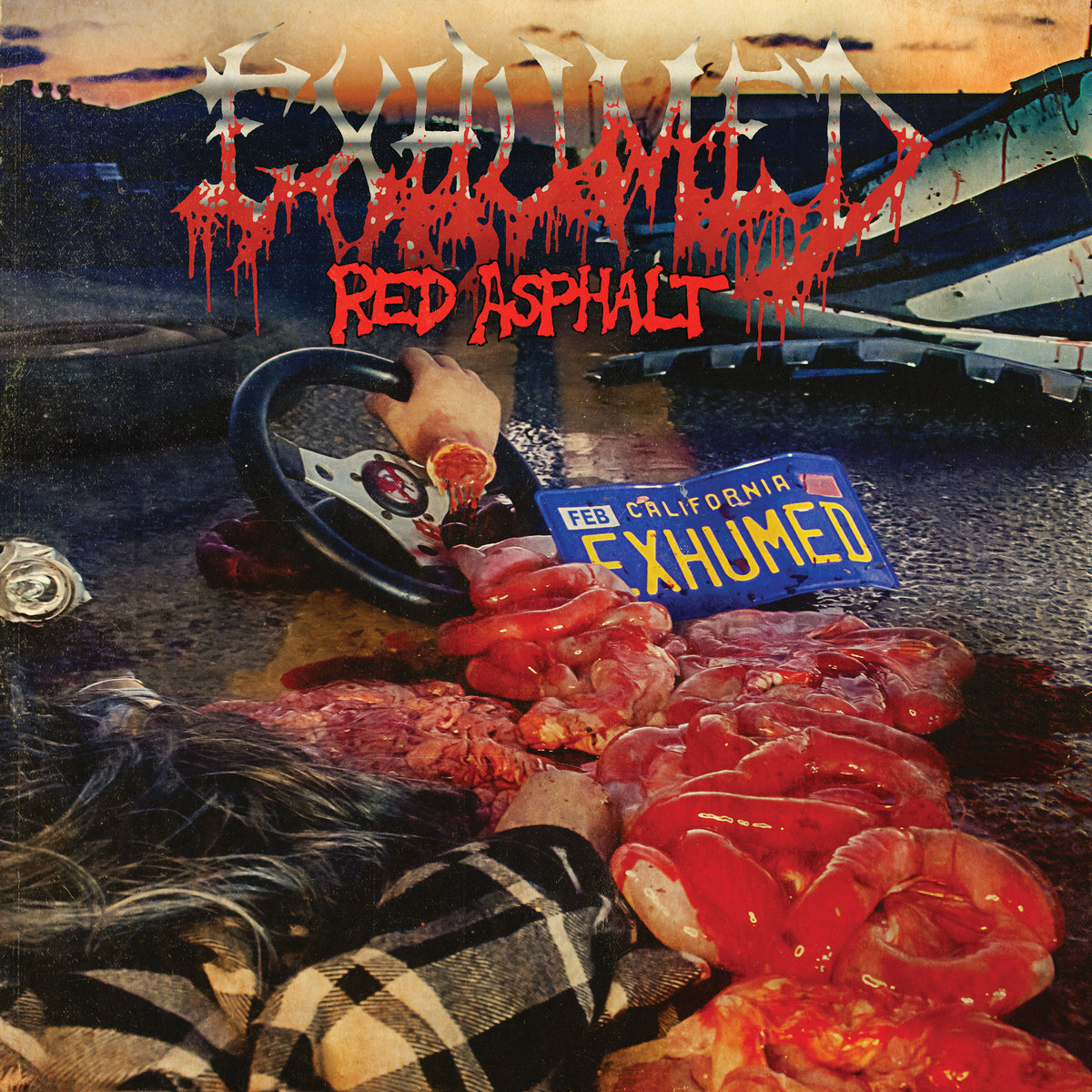
These tribute initiatives often introduce younger audiences to classic metal while allowing established artists to reinterpret influential works through contemporary perspectives. European metal scenes have embraced similar tribute culture, from covering 80s metal bands to reinterpreting classical compositions through metal arrangements.
Such projects also highlight metal's cultural significance beyond music, demonstrating how heavy music intersects with film, literature, and visual arts in ways that enrich the overall artistic ecosystem.
Technical Innovation in Extreme Music
Sun Guts' upcoming 'Supervoid' album and their new track 'Terminator Cross' represent continued innovation within technical extreme metal. As a project featuring Car Bomb members, Sun Guts explores sonic territories that push boundaries in ways that often influence European technical death and progressive metal scenes.
The band's approach to combining crushing heaviness with technical precision reflects broader trends in how extreme metal continues evolving. European acts like Fractal Universe have similarly explored technical death metal territories that challenge both musicians and audiences while maintaining emotional resonance.
Such technical innovation often spreads quickly through European metal underground networks, where musicians actively study and adapt advanced techniques developed by international pioneers.
Regional Recognition and Cultural Impact
Tony Iommi's recognition at Birmingham's Lord Mayor Awards acknowledges not only his musical contributions but also metal's broader cultural and economic impact on regional communities. This official recognition reflects growing acceptance of metal music as legitimate cultural expression worthy of civic celebration.
Such recognition matters significantly for European metal scenes, where municipal support can influence venue availability, festival permits, and cultural funding opportunities. When cities acknowledge metal's positive contributions, it creates environments where local scenes can flourish more effectively.
Iommi's honor also emphasizes metal's role in cultural tourism and regional identity, factors that increasingly influence how European communities approach their local metal scenes and support emerging artists.
Looking Forward: Multimedia Metal's European Future
These developments suggest that European metal's future lies increasingly in multimedia approaches that combine traditional heavy music with visual storytelling, technological innovation, and cross-cultural collaboration. As artists like Carpenter and Dickinson demonstrate multimedia success, European acts will likely explore similar creative expansion.
The independence movements exemplified by Avenged Sevenfold's business strategy may encourage European metal artists to prioritize creative control and ownership from earlier career stages. Combined with growing recognition of metal's cultural value, these trends suggest a promising environment for Continental metal creativity.
For emerging European metal artists, these developments indicate that success increasingly requires thinking beyond traditional album cycles to embrace multimedia storytelling, international collaboration, and innovative fan engagement strategies that honor metal's authentic spirit while embracing modern creative possibilities.