Iron Maiden Legend Dennis Stratton's Hall of Fame Dilemma Highlights European Metal's Founding Pioneer Recognition Crisis
As Iron Maiden prepares for their inevitable Rock and Roll Hall of Fame induction, former guitarist Dennis Stratton finds himself in an uncomfortable position that perfectly encapsulates the complex dynamics facing European metal's founding fathers. Stratton, who contributed to the legendary NWOBHM act from December 1979 to October 1980 during their formative period, recently expressed his desire to attend the ceremony while acknowledging that "it's the band's decision" whether he'll be included in the festivities.
This diplomatic yet pointed statement reveals deeper tensions within European metal's most celebrated institutions, where personnel changes during crucial developmental periods create lasting questions about recognition and legacy. Stratton's brief but significant tenure coincided with Iron Maiden's emergence as leaders of the New Wave of British Heavy Metal movement that would fundamentally reshape the global metal landscape.
European Metal's Institutional Memory Problem
Stratton's situation reflects a broader challenge facing European metal scenes as the genre's pioneers age and institutional recognition becomes increasingly important. Unlike American rock acts that often maintain more inclusive approaches to honoring former members, European metal bands frequently adopt more rigid approaches to legacy management, potentially excluding contributors who helped establish their foundational sound.
The European metal scene has always prided itself on technical excellence and artistic integrity, values that sometimes clash with sentimental inclusivity. This creates situations where talented musicians who contributed during formative periods find themselves diplomatically distanced from major celebrations of the bands they helped build.
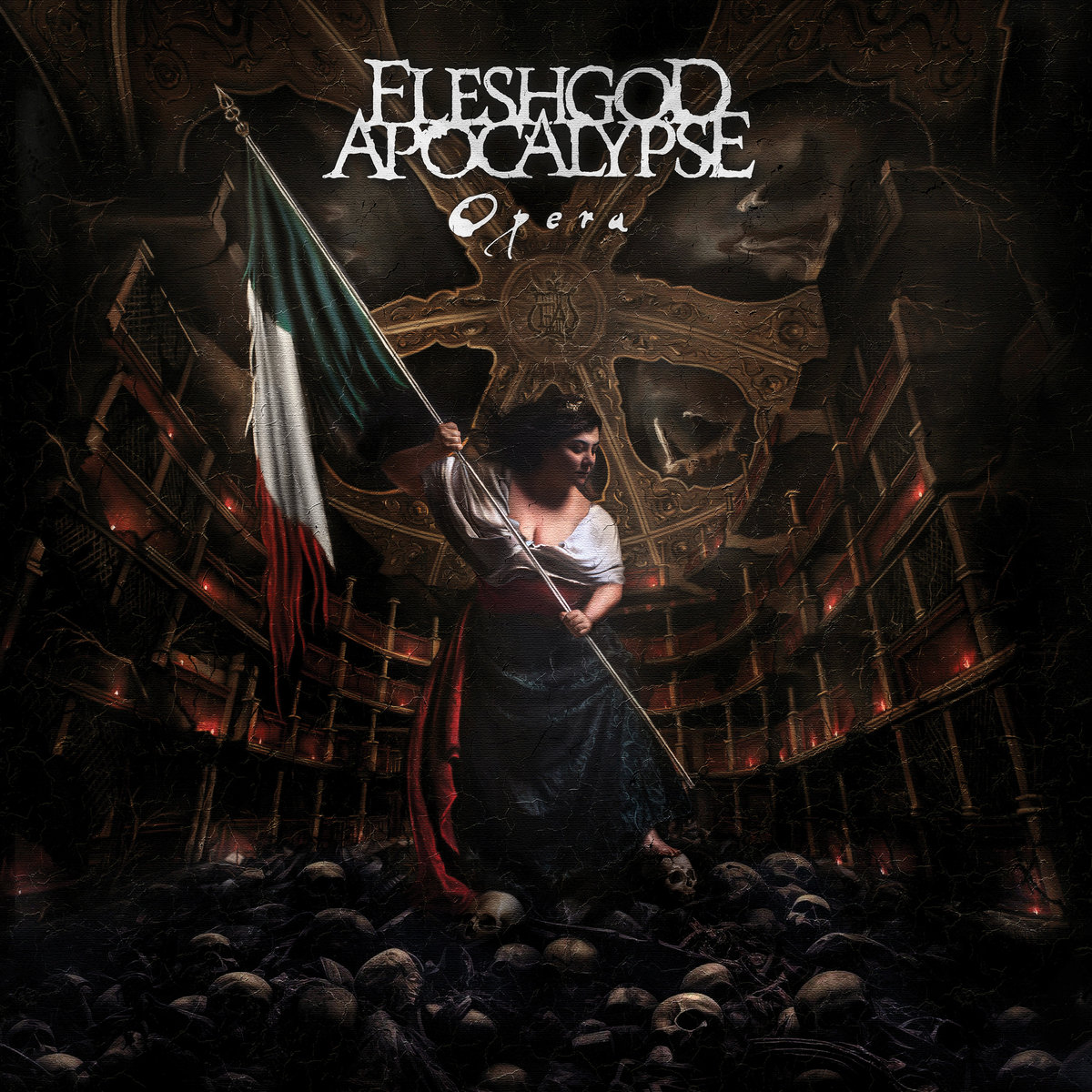
For contemporary European technical death metal acts like Italy's Fleshgod Apocalypse, who recently conquered American stages alongside Avatar and Frozen Soul, Stratton's predicament serves as a cautionary tale about maintaining relationships with former collaborators while pursuing artistic evolution.
The NWOBHM Legacy and Modern Recognition
The New Wave of British Heavy Metal movement that Stratton helped launch represents one of Europe's most significant contributions to global metal culture. Bands like Iron Maiden, along with contemporaries who established the template for what would become the best heavy metal songs of the 1980s, created a distinctly European approach to metal that emphasized melody, narrative complexity, and theatrical presentation.
Today's European power metal acts continue building on this foundation, with bands drawing from the same wells of historical narrative and musical sophistication that characterized the early NWOBHM sound. The movement's influence extends far beyond Britain, inspiring Germanic power metal traditions and Scandinavian extreme metal innovations that define much of what audiences consider the best metal bands emerging from Continental scenes.
Modern European metal scenes have largely moved beyond the personnel politics that complicate legacy acts like Iron Maiden. Underground movements prioritize collaborative creativity over rigid hierarchies, creating more inclusive environments for artistic development. This evolution suggests that Stratton's diplomatic exclusion represents outdated institutional thinking rather than contemporary European metal values.
Pantera's European Strategy and Continental Touring Evolution
While legacy acts navigate recognition politics, active touring operations demonstrate more inclusive approaches to Continental European markets. Pantera's recent announcement of European headlining shows featuring Trivium, Cavalera, and Bodysnatcher illustrates how major metal operations now view European markets as essential rather than supplementary to their global strategies.
These European dates, scheduled around Pantera's Metallica support slots, represent sophisticated tour routing that maximizes Continental exposure while building relationships with diverse European metal communities. The inclusion of Trivium acknowledges European audiences' appreciation for technical proficiency, while Cavalera brings legendary credibility that resonates with European extreme metal traditions.
This multi-generational lineup approach contrasts sharply with the exclusivity surrounding Iron Maiden's Hall of Fame situation. Modern touring packages demonstrate that successful metal operations benefit from inclusive approaches that honor multiple eras and contributors rather than maintaining rigid hierarchies.
Ukrainian Metal's Global Reach and European Underground Strength
The release of Jinjer's live video for "Tantrum," captured during their February Oslo performance, demonstrates how European underground scenes continue providing essential platforms for international metal innovation. Ukrainian metal pioneers Jinjer have consistently used European touring networks to build global audiences, with their Oslo performance representing the kind of intimate venue connection that defines Continental metal culture.
European metal venues and audiences offer unique environments where technical proficiency meets genuine enthusiasm for musical innovation. Jinjer's success in European markets before conquering North American audiences illustrates how Continental scenes serve as proving grounds for new metal bands 2026 and beyond.
The band's upcoming North American headlining tour builds on European foundation work that established their reputation for combining technical death metal elements with progressive innovation. This pattern—European development followed by global expansion—represents a common trajectory for successful modern extreme metal acts.
British Revival and Industrial Heritage
Recent announcements of UK touring packages featuring industrial and nu-metal acts like Spineshank, Orgy, SOiL, and Finger Eleven signal renewed interest in British metal venues among international acts. These tours represent recognition that British audiences maintain sophisticated appreciation for diverse metal subgenres, from the heaviest technical death metal to more accessible industrial crossover approaches.
The addition of Spanish act Breed 77 to these touring packages acknowledges Continental European metal's growing integration with British scenes. This cross-pollination between British and Continental European metal communities creates opportunities for audience development that benefit both emerging and established acts.
British venue networks continue offering essential infrastructure for European metal development, providing professional environments where metal bands touring 2026 can refine their live presentations before attempting larger Continental European festivals and headline tours.
Looking Forward: Recognition and Inclusion in European Metal
Dennis Stratton's diplomatic approach to the Iron Maiden Hall of Fame situation reflects both personal grace and recognition of complex institutional dynamics that affect many European metal veterans. His willingness to accept the band's decision while expressing personal interest demonstrates the professionalism that characterized the original NWOBHM movement.
Contemporary European metal scenes can learn from this situation by developing more inclusive approaches to recognizing contributors across different eras of band development. The technical excellence and artistic integrity that define European metal traditions need not require exclusion of former collaborators who contributed to foundational success.
As European metal continues influencing global metal development, the treatment of pioneers like Stratton will increasingly reflect on the scene's values and institutional maturity. The European metal scene has always emphasized quality and authenticity—values that should extend to recognizing all contributors who helped build the foundations for contemporary success.
Modern European metal acts setting patterns for future recognition practices would benefit from adopting more inclusive approaches that honor technical excellence while maintaining respect for collaborative history. This balance between artistic integrity and human recognition will ultimately strengthen European metal's cultural leadership position.