Norwegian Black Metal Masters Return and Continental Metal's Creative Evolution Define Eight-Year Studio Cycles
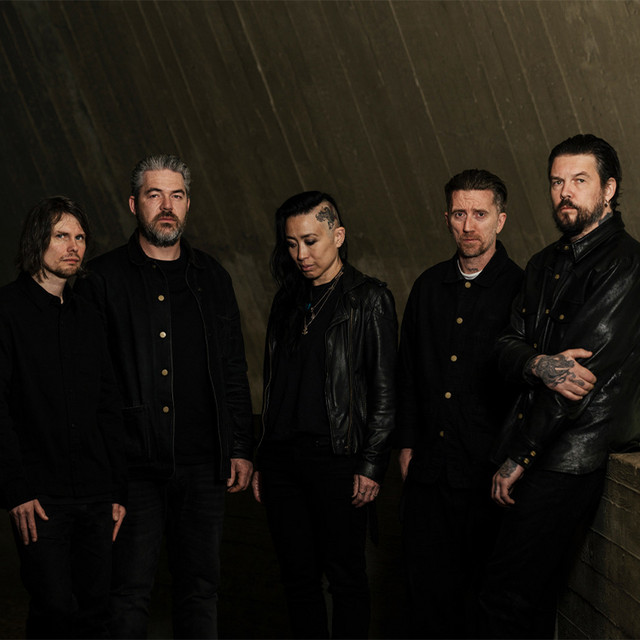
The European metal scene is witnessing a fascinating shift in creative timelines, with Norwegian black metal legends demonstrating that artistic patience often yields the most powerful results. After eight years of meticulous craftsmanship, Dimmu Borgir's return with "Grand Serpent Rising" exemplifies a Continental approach to metal creation that prioritizes depth over frequency, marking a stark contrast to the rapid-fire release schedules dominating other corners of the global metal landscape.
Norwegian Precision Meets Continental Craftsmanship
Dimmu Borgir's extended absence from the studio wasn't mere procrastination—it represents a philosophical approach to black metal that has become increasingly rare in today's instant-gratification music industry. The Norwegian masters have spent nearly a decade refining their symphonic black metal vision, emerging with what early reports suggest is their most ambitious work yet. This methodical approach resonates throughout the European metal underground, where bands like Yolande and Polusvet continue pushing black metal's atmospheric boundaries through similarly patient creative processes.

The album's title alone—"Grand Serpent Rising"—suggests a return to the mythological storytelling that helped establish Norwegian black metal as one of Europe's most distinctive cultural exports. While American metal often focuses on immediate impact, the Continental scene has always embraced longer narrative arcs, both in individual songs and entire album concepts. This patience has created some of the best metal albums of all time, establishing European acts as masters of atmospheric composition.
The Kovenant's Evolution and European Innovation
Adding another layer to Norway's creative renaissance, The Kovenant has emerged with bold statements about artistic evolution. Vocalist Stian "Nagash" Hinderson's recent comments about avoiding repetitive album cycles reflect a broader European metal philosophy that values innovation over commercial safety. His pointed reference to not wanting to create "the same album for 40 years" underscores how new metal bands 2026 and established acts alike are pushing against formulaic approaches.
The Kovenant's stance represents a crucial moment for European metal, where veterans refuse to rest on past achievements while newcomers demand space for experimentation. This dynamic has created fertile ground for genre-blending acts throughout the continent, from symphonic pioneers to underground extreme metal collectives that continue redefining what black metal can accomplish.
Birmingham's Metal Legacy and British Recognition
Meanwhile, the United Kingdom continues honoring its metal heritage while fostering contemporary innovation. Tony Iommi's recognition at Birmingham's Lord Mayor Awards represents more than ceremonial acknowledgment—it's validation of metal's cultural significance within European artistic traditions. Birmingham's celebration of Iommi demonstrates how European cities increasingly recognize metal as legitimate cultural export, contrasting sharply with regions where heavy music still faces institutional skepticism.
This institutional acceptance creates opportunities for emerging European acts to develop without the stigma that metal faces elsewhere. The recognition extends beyond individual artists to encompass entire scenes, with cities across the continent developing metal tourism initiatives and supporting local venue networks that nurture best metal bands from grassroots through international levels.
Black Sabbath's ongoing legal resolutions regarding their earliest recordings as "Earth" also highlight how European metal's foundational moments continue generating contemporary relevance. These archival discoveries remind us that the European metal scene built itself through decades of careful documentation and preservation, creating a historical foundation that newer scenes often lack.
Veteran Perspectives and Authenticity
Joe Lynn Turner's recent revelations about personal authenticity resonate throughout European metal circles, where image and substance maintain complex relationships. His decision to abandon decades of carefully maintained appearance in favor of genuine self-expression reflects broader conversations within metal communities about aging, authenticity, and the pressure to maintain constructed personas.
Turner's liberation story connects to wider discussions about how European metal veterans navigate changing industry expectations while maintaining artistic integrity. Unlike scenes focused purely on visual spectacle, Continental metal has always valued authenticity over artifice, creating space for artists to evolve personally while maintaining musical relevance.
Touring Dynamics and Continental Opportunities
The announcement that Kam Lee will handle vocals for Benediction's upcoming Latin American tour demonstrates how European metal maintains international connections while supporting acts facing challenges. This collaborative approach—where scene veterans step in to ensure tours continue—reflects Continental metal's community-focused ethos.
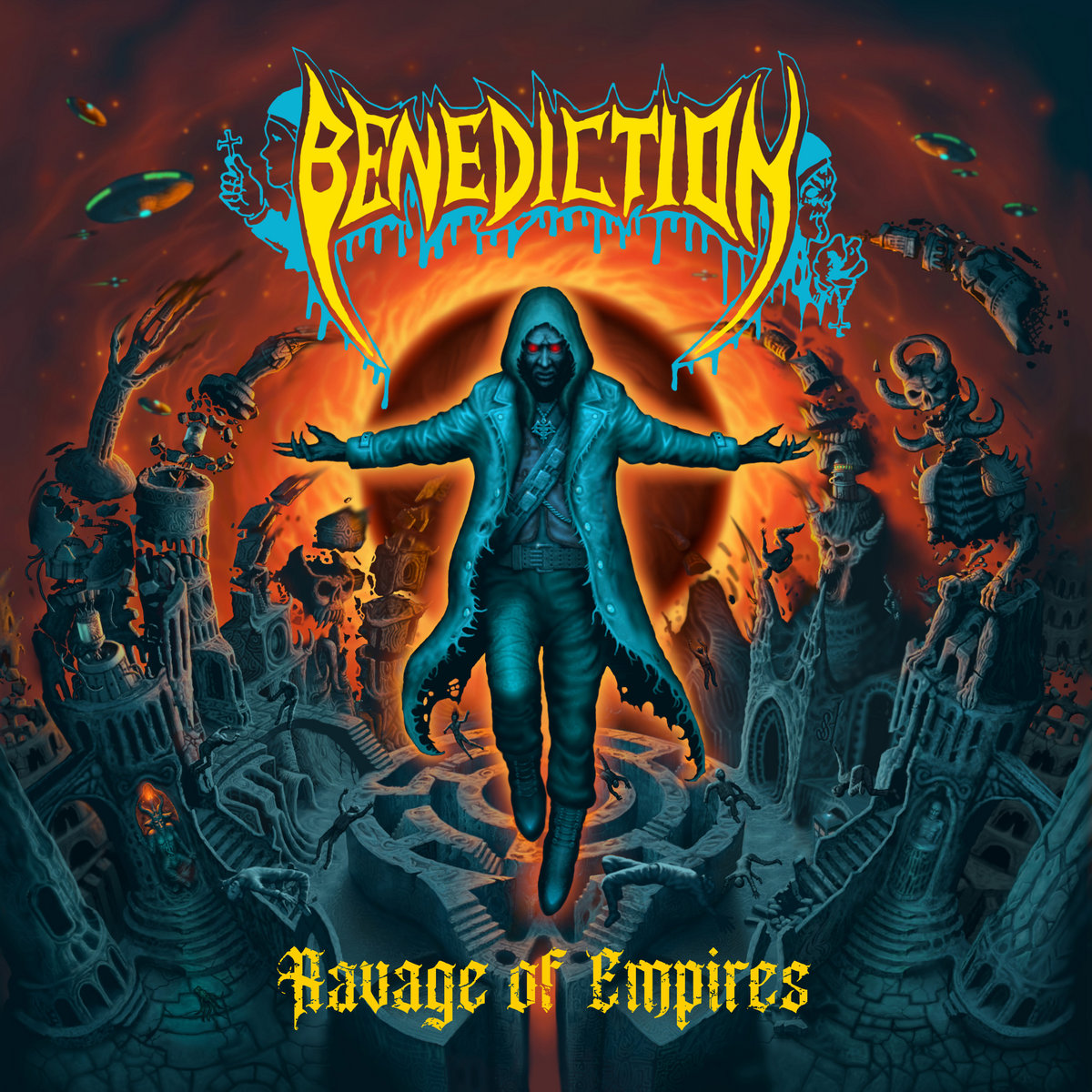
Such collaborations create opportunities for metal bands touring 2026 to explore markets that might otherwise remain inaccessible. European metal's reputation for reliability and professionalism has made Continental acts increasingly valuable for international promoters seeking dependable touring partners.
Underground Expansion and Genre Development
Beyond the headline-grabbing announcements, Europe's metal underground continues expanding through genre experimentation that bridges traditional boundaries. Post-metal acts like Amenra have established Continental Europe as the primary hub for atmospheric heavy music, while sludge metal practitioners create soundscapes that incorporate regional folk elements and industrial textures.
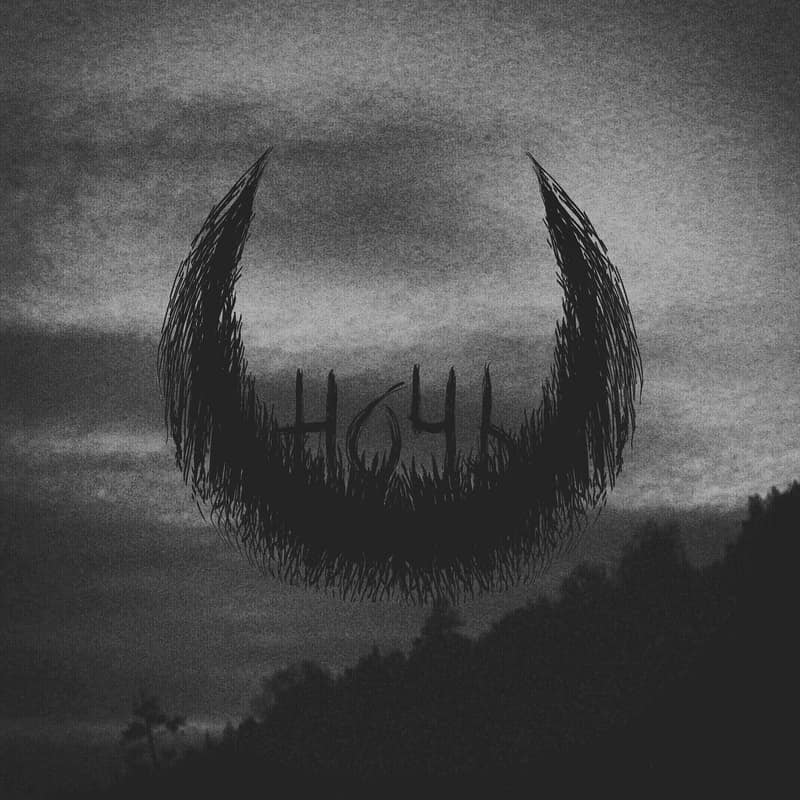
This underground expansion often occurs through smaller venues and independent festivals that prioritize artistic development over commercial viability. These networks have become essential infrastructure for European metal, allowing experimental acts to develop audiences without compromising their artistic vision to meet mainstream expectations.
The 80s metal bands that established European metal's foundation created more than just classic albums—they built sustainable scene infrastructure that continues supporting contemporary innovation. This long-term thinking distinguishes Continental metal from scenes focused on short-term trends.
Looking Forward: Creative Patience in a Fast World
As Dimmu Borgir's eight-year album cycle demonstrates, European metal's greatest strength may be its willingness to prioritize artistic vision over market pressures. While other industries chase viral moments and algorithmic optimization, Continental metal maintains faith in deep, sustained creative processes that produce works capable of lasting decades.
This patience extends beyond individual bands to encompass entire genre developments, festival programming, and venue operations that think in terms of decades rather than quarters. Such long-term vision has created a European metal scene that remains culturally relevant while commercially sustainable.
The combination of veteran wisdom, underground innovation, and institutional support positions European metal for continued global leadership. Whether through Norwegian black metal's symphonic evolution, British metal's institutional recognition, or Continental underground scenes' experimental courage, Europe continues defining what heavy music can achieve when artistic vision guides creative decisions.
For emerging artists, the lesson is clear: authentic creative vision, sustained over time, produces more lasting impact than rushed attempts to capture fleeting attention. In an era of instant everything, European metal's commitment to deliberate artistry offers both inspiration and practical guidance for building careers that extend beyond single viral moments.