Doom Metal's Atlantic Divide and European Touring Revolution as Static-X Medical Crisis Highlights Genre Evolution
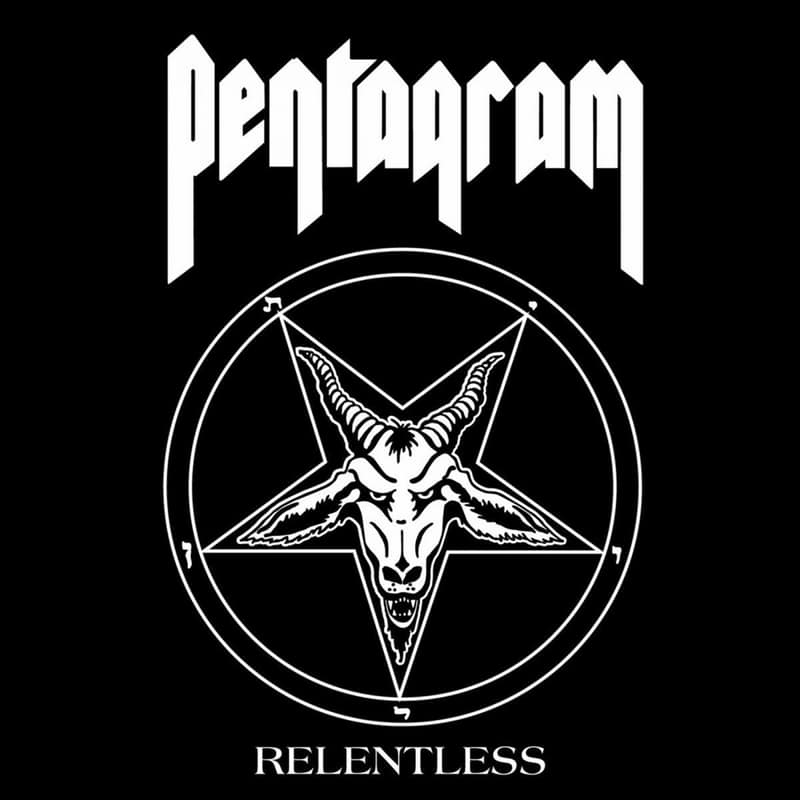
The doom metal universe is experiencing a fascinating transatlantic split that perfectly illustrates European metal's growing independence from American spectacle. While Brooklyn's upcoming doom festival assembles legends like Eyehategod and Pentagram for Memorial Day weekend celebrations, European metal continues forging its own distinctive path through innovative touring approaches and underground development.
The Great Touring Divide of 2026
Two major announcements showcase how differently European and American scenes approach live performance. Green Lung's partnership with High On Fire and Gnome for their late 2026 European tour represents something fundamentally different from traditional festival spectacle. This carefully curated pairing suggests European audiences increasingly demand artistic coherence over star power assemblies.
Meanwhile, Beartooth's September European headlining run with Silverstein and Kingdom Of Giants demonstrates how American acts continue viewing Europe as essential territory for career validation. The continent's sophisticated metal infrastructure and discerning audiences make it the ultimate proving ground for international acts.
John 5's historic European solo tour launch at London's Underworld marks a significant moment for instrumental metal. His first proper European solo tour outside of scattered 2016 dates suggests growing Continental appetite for guitar virtuosity as standalone art form. European metal audiences' willingness to embrace instrumental complexity continues distinguishing them from markets demanding constant vocal presence.
Medical Realities and Scene Evolution
Static-X's complete 2026 tour cancellation due to serious medical issues affecting undisclosed band members highlights brutal realities facing aging metal acts. Their frank admission of being "just a bunch of old men with parts that need fixing" reflects broader industry conversations about sustainability and longevity that European scenes handle with characteristic pragmatism.
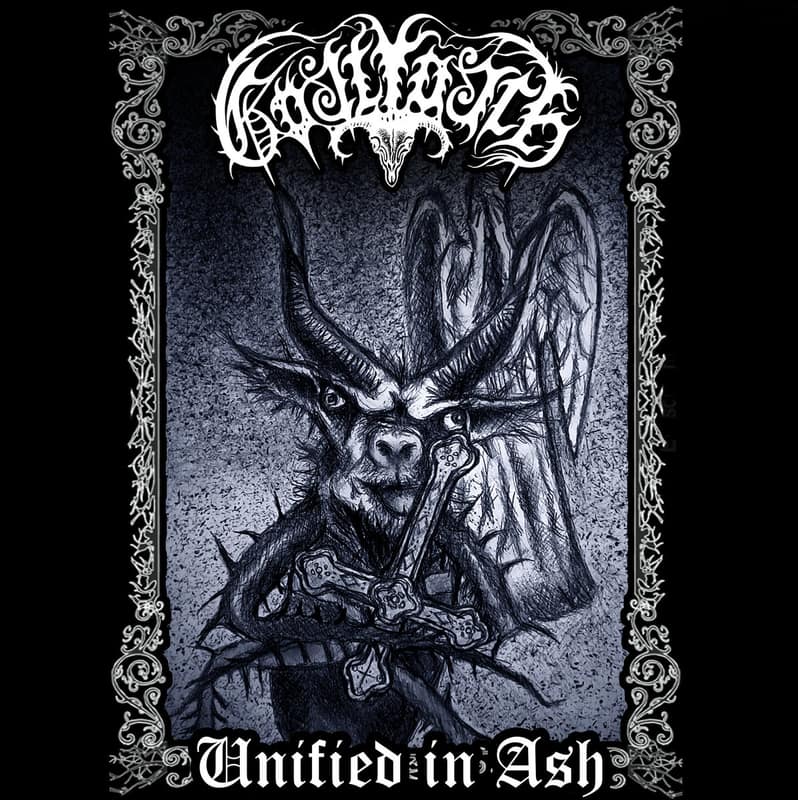
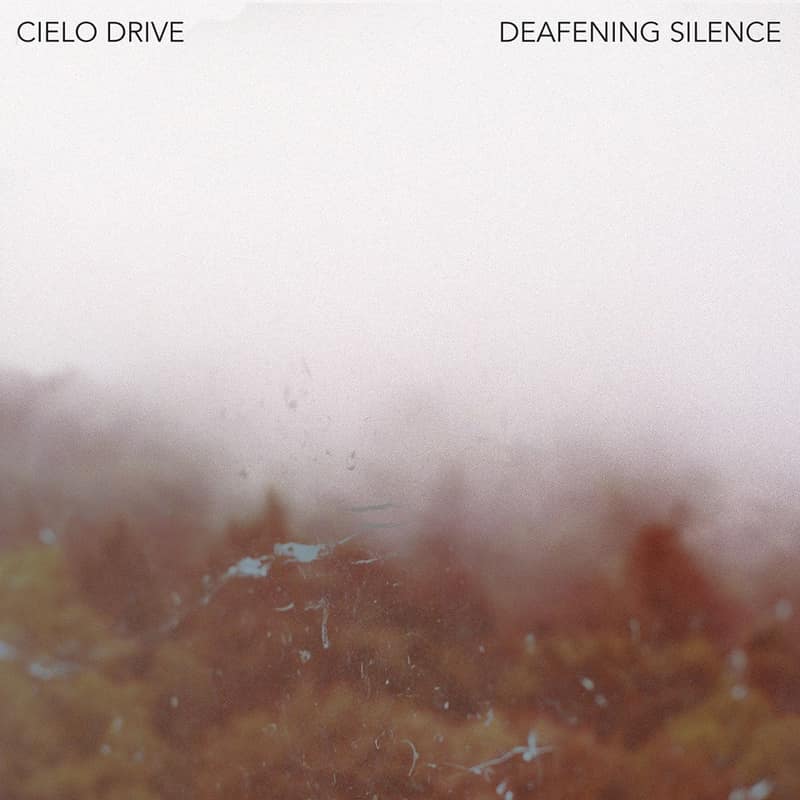
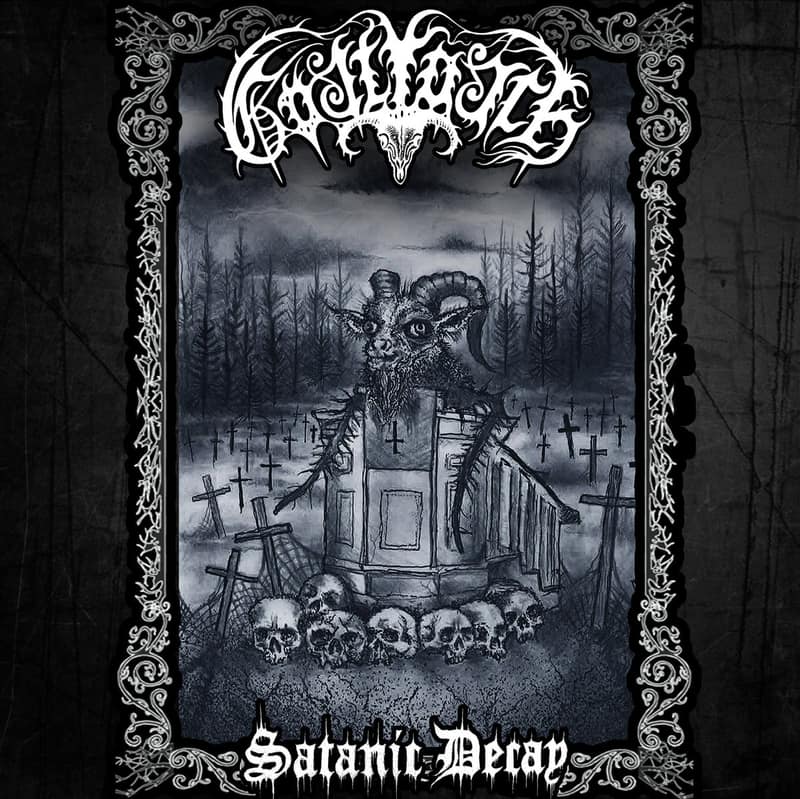
This medical crisis arrives as European metal demonstrates remarkable vitality across generational lines. Goatroach's doom and sludge approach and Cielo Drive's stoner metal evolution represent how Continental acts avoid the burnout patterns plaguing their American counterparts.
European metal's emphasis on sustainable touring practices and realistic career management creates environments where veterans can continue performing without destroying their health. This philosophical difference increasingly separates Continental scenes from American metal's traditionally unsustainable approach to live performance.
Doom Metal's European Renaissance
The doom metal revival spreading across European underground scenes represents something more sophisticated than American stoner rock nostalgia. While Brooklyn's festival celebrates established legends, European doom acts are pushing the genre into unexplored territories through atmospheric experimentation and progressive song structures.
Continental doom metal's evolution reflects broader European metal trends toward artistic ambition over commercial replication. Local scenes prioritize creative development over tribute performances, creating space for genuine genre advancement rather than heritage celebration.
Swedish and German doom scenes particularly exemplify this progressive approach. Their integration of post-metal elements and atmospheric composition demonstrates how European acts use traditional doom as foundation for contemporary exploration rather than historical recreation.
Production Innovation and Creative Independence
Fear Factory's upcoming Nuclear Blast release, tentatively scheduled for late 2026 or early 2027, showcases how established acts continue relying on European production expertise and distribution networks. Dino Cazares' descriptions of "new, brutal, heavy, melodic" material suggest the band understands European audiences' sophisticated expectations for musical complexity.
Devin Townsend's double single release "Prepare For War"/"The Big Snit" previewing his rock opera "The Moth" demonstrates the creative ambition European metal markets support. Continental audiences' appreciation for conceptual works and progressive structures enables artists to pursue projects that might struggle in more commercially restrictive markets.
The Slipknot offshoot Look Outside Your Window's expanded June release across multiple formats illustrates how European distribution sophistication enables experimental projects to find audiences. Continental metal's infrastructure supports artistic risk-taking through diverse format availability and specialized marketing approaches.
Underground Network Strength
European metal's underground touring networks demonstrate remarkable resilience compared to American venue consolidation. Continental scenes maintain diverse venue ecosystems that support acts across all career stages, from emerging bands to established artists seeking intimate performance environments.
This infrastructure diversity enables European metal acts to develop sustainable career trajectories without requiring major label support or festival circuit validation. Local scenes provide development pathways that American counterparts often lack, creating more stable creative environments.
The emphasis on venue relationship building over promotional spectacle reflects European metal's long-term thinking. Continental acts invest in community development rather than pursuing unsustainable touring schedules that often lead to the medical issues affecting bands like Static-X.
Cultural Authority and Global Influence
European metal's growing cultural authority becomes evident through how international acts structure their global strategies. The continent's reputation for musical sophistication and audience engagement makes it essential territory for any serious metal career development.
This influence extends beyond touring into creative decision-making. American acts increasingly consider European audience expectations during songwriting and production phases, recognizing Continental metal's role as global tastemaker rather than mere market territory.
The European metal scene's emphasis on artistic integrity over commercial convenience continues attracting international artists seeking creative validation. Continental audiences' knowledge depth and performance expectations push visiting acts toward their creative peaks.
Looking Forward: Sustainability and Innovation
As 2026 progresses, European metal's sustainable development model offers lessons for global scenes struggling with touring economics and artist burnout. Continental approaches to career longevity and creative development provide alternatives to American metal's traditionally destructive practices.
The ongoing evolution of European doom, death, and extreme metal scenes demonstrates how traditional genres can advance without losing fundamental character. This balance between innovation and authenticity positions Continental metal as the global scene's creative laboratory.
European metal's commitment to artist development and audience education creates environments where both established legends and emerging acts can thrive. This holistic approach to scene building continues distinguishing Continental metal from more commercially focused international markets.
The contrast between American festival spectacle and European touring innovation highlights fundamental philosophical differences that will likely shape metal's future development. Continental metal's emphasis on artistic sustainability and creative ambition provides models for global scene evolution as traditional approaches prove increasingly unsustainable.