Visa Chaos and Stage Spectacle Define European Metal's Theatrical Heritage While International Acts Battle Immigration Barriers
The European metal scene finds itself at the center of two contrasting spectacles this week: while international acts struggle with visa complications that force tour cancellations, Continental metal continues to embrace the theatrical chaos that has defined the region's creative identity for decades. From smoke-triggered fire alarms to ambitious solo tours launching in London's underground venues, European metal proves that authentic spectacle emerges from artistic vision rather than bureaucratic convenience.
Continental Metal's Theatrical DNA Remains Uncompromised
The recent incident involving excessive stage fog triggering fire alarm systems during a major metal performance serves as a perfect metaphor for European metal's commitment to atmospheric immersion. While such technical disruptions might frustrate venue operators, they highlight the Continental scene's dedication to creating environments that transport audiences beyond mere musical entertainment. European metal has always understood that the genre's power lies not just in sonic intensity but in creating complete sensory experiences.
This theatrical approach distinguishes European metal from more straightforward approaches found elsewhere. Continental acts have consistently pushed boundaries in stage design, lighting, and atmospheric effects, understanding that metal's appeal extends far beyond volume and aggression. The willingness to risk technical complications in pursuit of artistic vision demonstrates the maturity and confidence that defines the best metal bands across European scenes.
For emerging European acts like Isa, the theatrical heritage of Continental metal provides both inspiration and challenge. Black metal particularly benefits from this atmospheric tradition, with European venues and audiences understanding the importance of visual elements in creating the genre's distinctive otherworldly experience.
Immigration Barriers Create Opportunities for European Metal Independence
While international acts face increasing visa complications that force tour cancellations across Continental venues, the European metal scene continues demonstrating its creative independence and self-sufficiency. The ongoing challenges of international touring create unexpected opportunities for local and regional acts to fill venue schedules and capture audience attention that might otherwise focus on overseas performers.
European metal's strength lies in its diverse regional scenes, from Scandinavian extreme metal to German power metal traditions, British heavy metal innovation, and Mediterranean experimental approaches. This diversity means that Continental audiences rarely lack for compelling live experiences, even when international touring becomes complicated. The depth of talent across European metal scenes ensures that upcoming shows continue offering world-class performances regardless of visa-related disruptions.
The current touring landscape also highlights how European metal bands touring Europe face fewer bureaucratic obstacles than their international counterparts, creating competitive advantages for Continental acts. This situation parallels the broader creative independence that has characterized European metal development over recent decades, with Continental scenes developing unique sounds and approaches rather than simply following trends established elsewhere.
Solo Tours and Intimate Venues Showcase European Metal's Grassroots Strength
The launch of major solo tours in intimate London venues demonstrates European metal's continued commitment to grassroots development and artist-audience connection. Continental metal scenes understand that even established performers benefit from returning to smaller venues where direct audience interaction creates memorable experiences that large arena shows cannot replicate.
European metal venues, particularly in cities like London, Berlin, Stockholm, and Amsterdam, provide crucial infrastructure for both emerging and established acts. These venues understand metal's specific technical requirements and audience expectations, creating environments where artists can focus on performance rather than logistical concerns. The Continental venue network represents decades of investment in metal culture that continues paying dividends for performers and audiences alike.
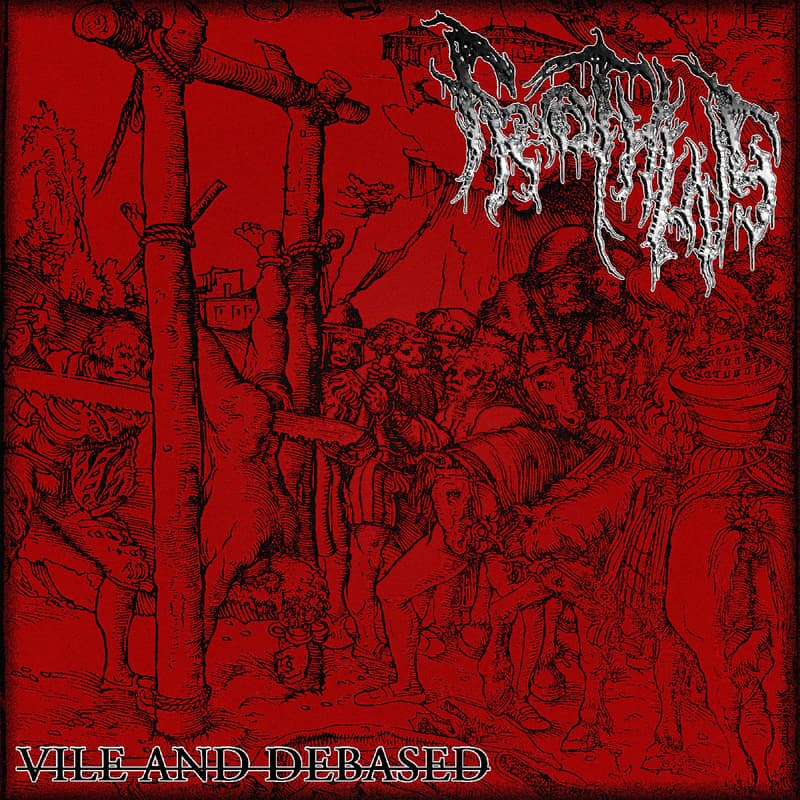
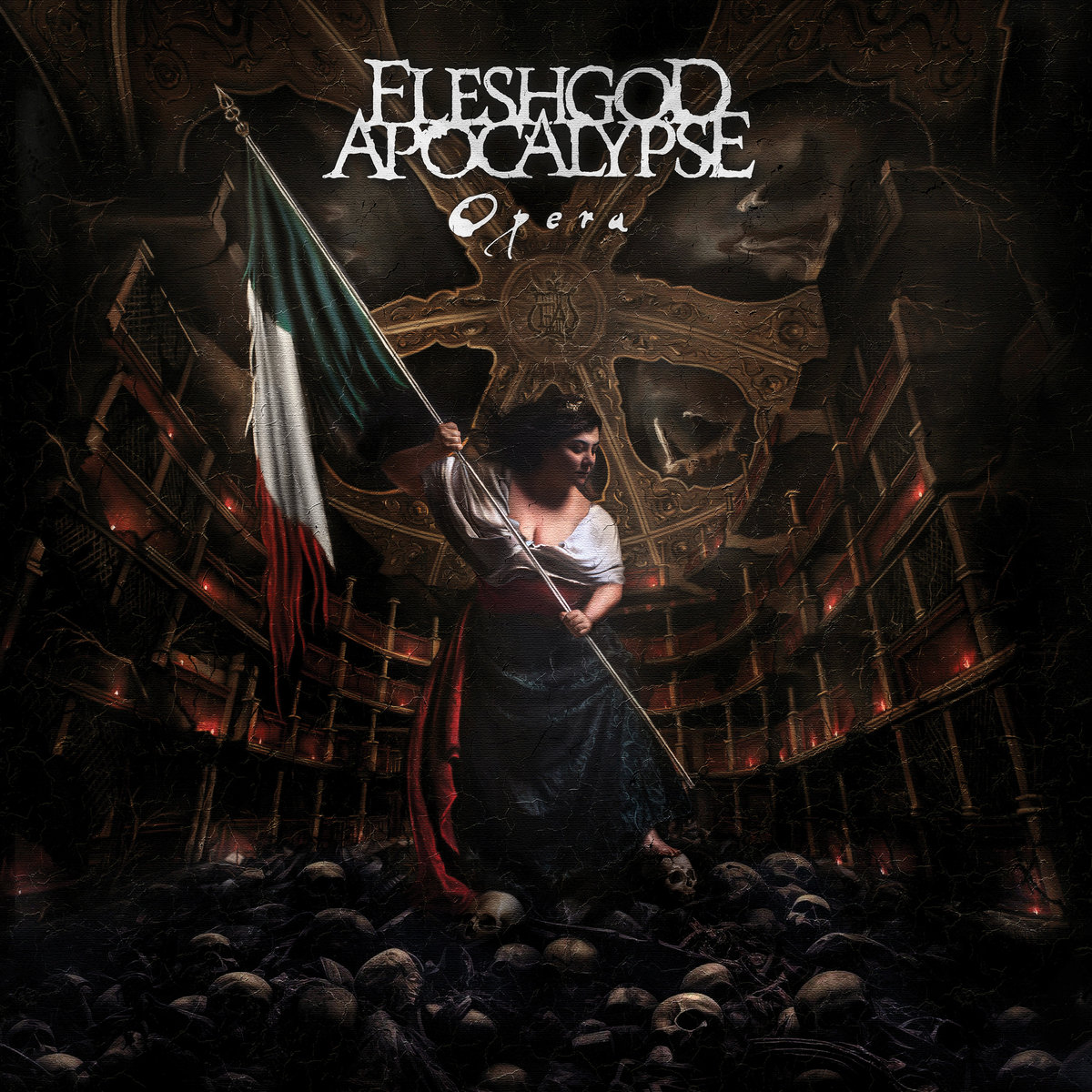
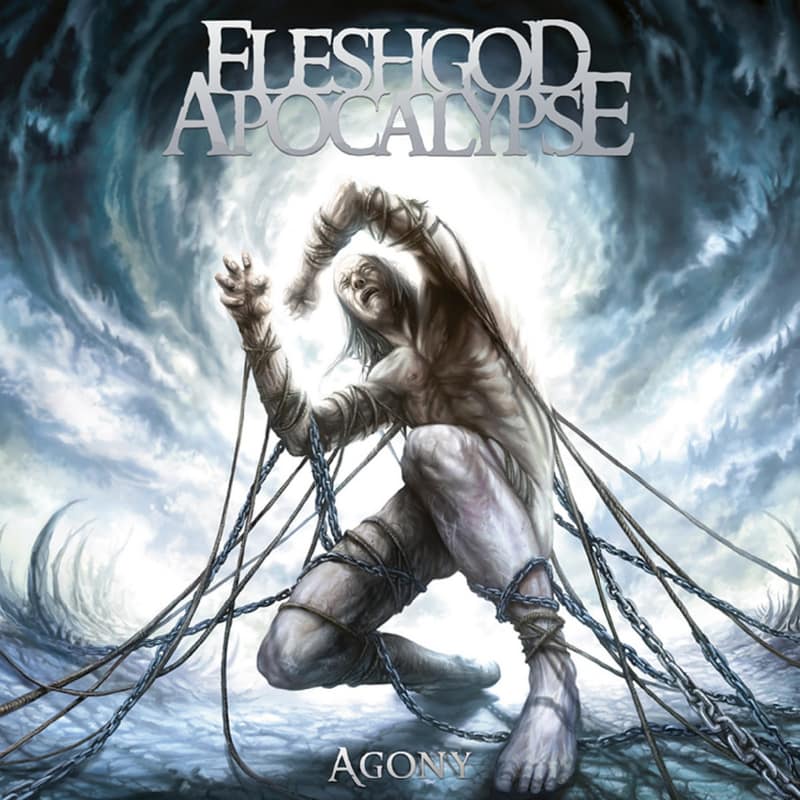
For European metal bands seeking to develop their craft, these smaller venues provide essential opportunities to refine their approach before attempting larger productions. Acts across genres, from the brutal death metal approach of Frothing to the symphonic complexity of Fleshgod Apocalypse, benefit from venue networks that understand metal's specific requirements and appreciate its artistic ambitions.
European Metal's Creative Resilience Defines Continental Scene Leadership
The current combination of international touring complications and continued European metal innovation highlights the Continental scene's creative resilience and leadership. While bureaucratic barriers affect international acts, European metal continues developing new approaches, sounds, and performance concepts that influence global metal development. This creative independence reflects the maturity of Continental metal scenes that no longer depend on external validation or international trends for artistic direction.
European metal's strength lies in its regional diversity and collaborative networks. From the atmospheric black metal traditions developed in Scandinavia to the technical precision of German metal production, Continental scenes continue setting global standards for creativity and execution. The ongoing development of European metal demonstrates that the best metal bands 2026 will likely emerge from Continental scenes that prioritize artistic development over commercial convenience.

Recent developments also highlight how European metal venues and audiences support experimental approaches that might struggle elsewhere. Continental metal culture appreciates complexity, atmosphere, and technical innovation, creating environments where artists can pursue ambitious creative visions without compromising their artistic integrity for mainstream accessibility.
Continental Metal's Future Remains Bright Despite External Challenges
The current landscape of visa complications and touring challenges actually strengthens European metal's position as a creative center and cultural force. Continental metal scenes have always thrived on creativity, collaboration, and artistic ambition rather than relying solely on international spectacle or commercial trends. This foundation ensures continued growth and innovation regardless of external circumstances.
European metal bands touring 2026 will benefit from well-established Continental infrastructure, supportive audiences, and venue networks that understand metal's specific requirements. The depth of talent across European metal scenes, from emerging acts seeking to submit your band information to established legends continuing their creative evolution, ensures that Continental metal remains vital and influential.
The combination of theatrical ambition, creative independence, and grassroots venue support positions European metal for continued leadership in global metal development. While international acts struggle with bureaucratic barriers, Continental metal demonstrates that authentic artistic vision and collaborative community support create more lasting value than convenient touring schedules or commercial accessibility.
European metal's theatrical heritage, from atmospheric staging to immersive performance concepts, continues influencing how the genre develops worldwide. The willingness to embrace technical complexity, risk artistic complications, and prioritize creative vision over convenience defines Continental metal's ongoing contribution to global metal culture.