Norwegian Gothic Resurrection and European Metal's Generational Transition Define Continental Scene's Two-Decade Evolution
The European metal scene witnesses a fascinating generational transition this week as legendary artists contemplate retirement while Norwegian pioneers emerge from extended creative hibernation, demonstrating Continental metal's remarkable ability to balance heritage preservation with forward momentum.
Guitar Heroes Face Reality of Time
The conversation around aging metal legends reached a poignant milestone as Deep Purple and Rainbow guitarist Ritchie Blackmore openly discussed scaling back touring commitments due to health concerns. The recent cancellation of Blackmore's Night performances signals a broader reality facing the European metal scene: the first generation of hard rock and heavy metal pioneers are confronting physical limitations that decades of relentless touring have imposed.
Blackmore's situation reflects a Continental trend where 80s metal bands increasingly balance artistic passion with physical reality. Unlike their American counterparts who often push through health issues for financial reasons, European metal veterans demonstrate a more pragmatic approach to career longevity. This measured perspective has become characteristic of the Continental scene's approach to sustainable artistry.
The NWOBHM influence remains profound across European metal, with acts like More continuing to carry the torch of British heavy metal traditions. This generational handoff represents more than simple succession – it's an active preservation of musical DNA that defines European metal's foundational character.
Norwegian Gothic Metal Awakens
Meanwhile, Norway's The Kovenant provides compelling evidence of European metal's capacity for creative resurrection. After more than two decades of silence, vocalist Stian "Nagash" Arnesen reveals that half of their new album has reached completion, marking one of the most significant returns in Norwegian metal history.
The Kovenant's extended hiatus wasn't due to creative exhaustion but rather artistic perfectionism – a distinctly European approach that prioritizes quality over market demand. This patience-over-pressure philosophy has become increasingly characteristic of Continental metal acts who refuse to compromise artistic vision for commercial schedules.
Their return coincides with renewed interest in Norwegian metal's experimental edge, particularly the gothic and industrial elements that The Kovenant pioneered during the late 1990s. This revival demonstrates how European metal scenes maintain deep historical awareness while continuously evolving, creating space for acts that might be considered commercially obsolete in other markets.
Festival Circuit Reveals Continental Strength
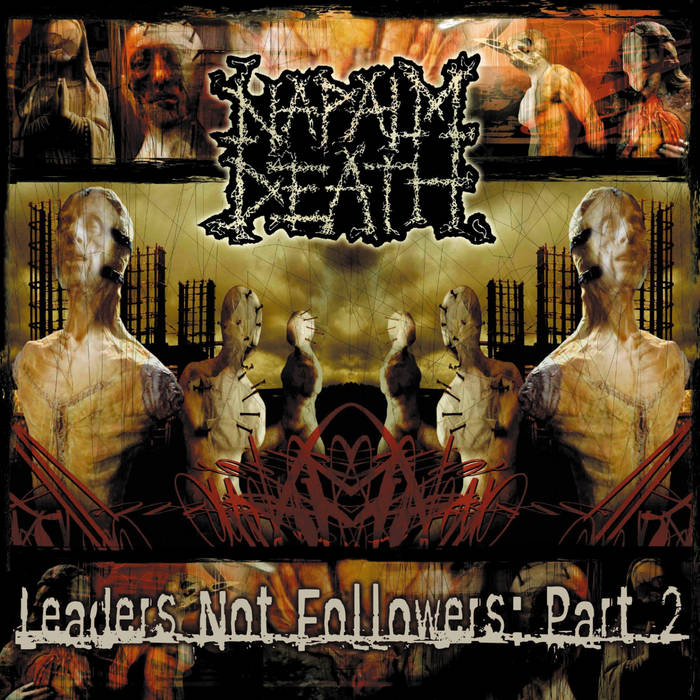
The 2026 festival announcements underscore European metal's position as the global scene's creative and commercial center. Milwaukee Metalfest's lineup, featuring acts like Napalm Death and other European extreme metal pioneers, demonstrates how American festivals increasingly depend on Continental artists to provide both credibility and drawing power.
This dependency reveals a fundamental shift in global metal economics. While American festivals focus on spectacle and production values, European festivals have cultivated artist development ecosystems that consistently produce both underground innovation and mainstream success. The result is a Continental scene that exports talent rather than importing it.
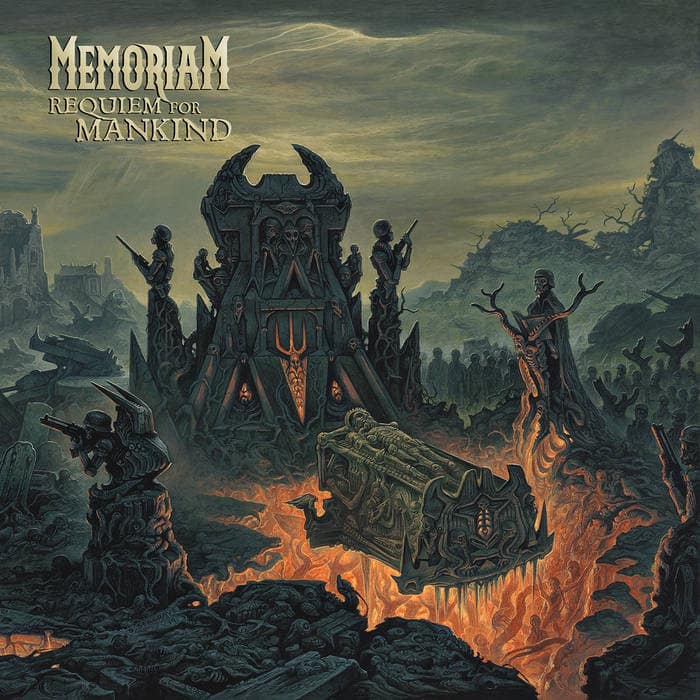
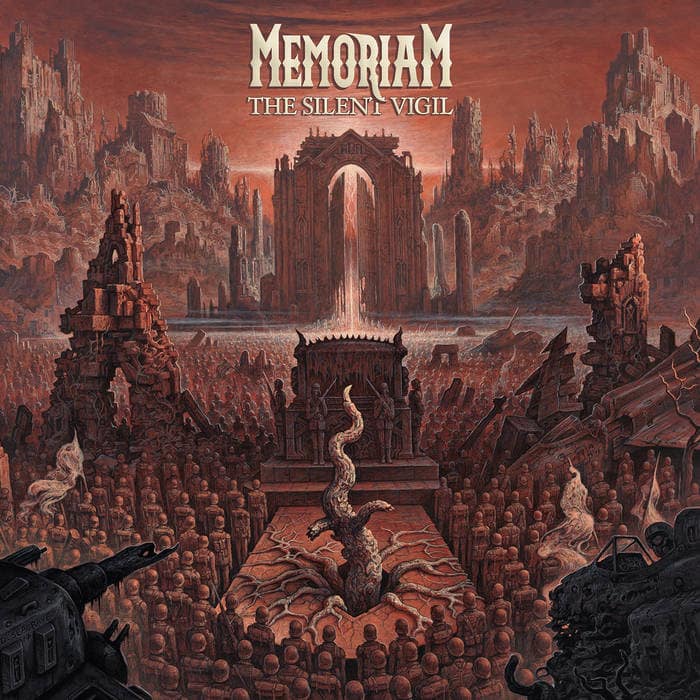
European death metal continues its global dominance, with acts like Memoriam representing the latest generation of British extreme metal excellence. The genre's technical and artistic advancement remains centered in European scenes that provide both creative freedom and professional infrastructure.
Cross-Atlantic Creative Collaborations
The announcement of Tom Morello's collaboration with System of a Down's Serj Tankian highlights how European metal's creative reputation attracts international partnerships. While Tankian represents Armenian-American metal heritage, his consistent collaboration choices reflect European metal's artistic credibility and creative sophistication.
These partnerships demonstrate European metal's role as creative catalyst for international projects. Continental artists and producers increasingly serve as collaborators for American acts seeking artistic legitimacy beyond commercial success. This dynamic positions European metal as both influencer and quality standard for global metal development.
The trend extends beyond individual collaborations to encompass production choices, with American acts increasingly recording in European studios to access Continental metal's technical expertise and artistic environment.
Underground Networks Strengthen
Alissa White-Gluz's Blue Medusa project exemplifies how European metal networks support creative experimentation. While White-Gluz maintains her role in Arch Enemy, her side projects benefit from Continental metal's infrastructure that encourages artistic exploration without commercial pressure.
This supportive environment has proven essential for maintaining new metal bands 2026 development pipelines. European scenes provide multiple career paths and project opportunities that keep artists creative and financially stable, preventing the creative stagnation that affects scenes focused solely on mainstream success.
The Continental approach emphasizes long-term artistic development over immediate commercial returns, creating sustainable careers that span decades rather than album cycles. This philosophy attracts international artists seeking creative longevity beyond trending cycles.
Progressive Metal's European Foundation
The continued success of European progressive metal acts demonstrates Continental scenes' comfort with complexity and experimentation. Acts like Dread Persephone represent how European metal consistently produces technically sophisticated music without sacrificing emotional impact or accessibility.
This balance between technical prowess and emotional resonance has become a defining characteristic of European progressive metal, influencing global scene development and attracting international artists seeking similar creative environments.
Looking Forward
As metal bands touring 2026 prepare their European campaigns, the Continental scene's dual nature becomes increasingly apparent. While honoring pioneers like Blackmore who shaped metal's foundation, European scenes simultaneously nurture experimental acts and welcome returning legends like The Kovenant.
This generational balance ensures that European metal remains both historically grounded and creatively progressive, maintaining its position as global metal's most influential regional scene. The combination of veteran wisdom, underground innovation, and international collaboration continues positioning Continental metal as the genre's creative and commercial center.
For emerging artists, the European metal scene offers both inspiration and opportunity. Whether following traditional paths or exploring experimental territories, Continental scenes provide the infrastructure, audiences, and creative freedom necessary for sustained artistic development in an increasingly complex global metal landscape.