Finland's Eurovision Metal Victory Inspires Cross-Cultural Movement as International Acts Navigate Travel Limitations
The European metal scene is experiencing a fascinating collision of cultures this week, with Finland's Eurovision metal legacy creating unexpected artistic bridges while logistical challenges force international acts to reimagine their Continental touring strategies. These developments highlight Europe's unique position as both a creative laboratory for extreme music and the world's most challenging touring market for overseas acts.
Eurovision Metal Legacy Creates Unexpected Artistic Fusion
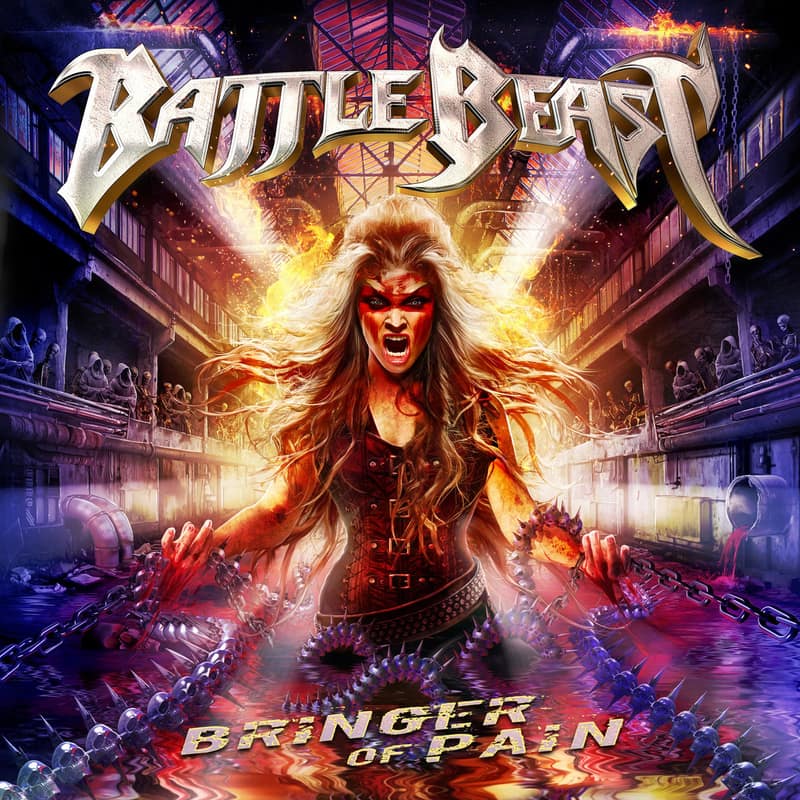
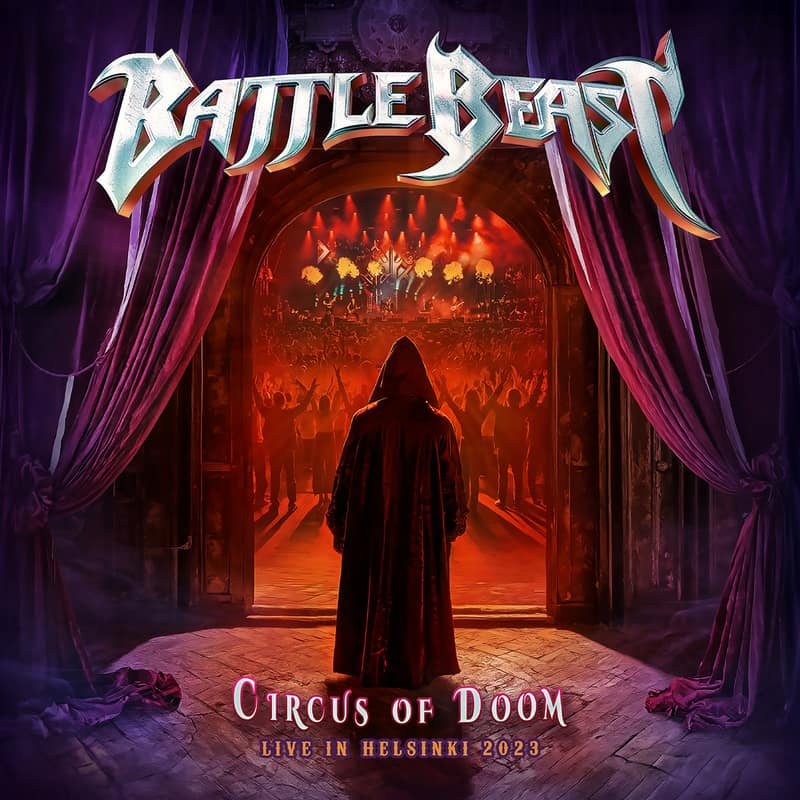
In what might be the most unexpected collaboration of 2026, Finnish horror metal stalwarts Lordi have joined forces with former Battle Beast vocalist Noora Louhimo to reimagine Johnny Logan's Eurovision classic "Hold Me Now." This partnership represents more than mere novelty – it demonstrates how Finland's 2006 Eurovision metal victory continues to influence the broader European metal landscape twenty years later.
The collaboration brings together two distinct eras of Finnish metal excellence. Lordi's Eurovision triumph remains one of the most significant moments in metal's mainstream breakthrough, proving that extreme music could captivate audiences far beyond the typical metalhead demographic. Louhimo's involvement adds contemporary power metal credibility to the project, bridging the gap between theatrical horror metal and the melodic sophistication that has made Finnish metal acts globally influential.
This cross-pollination reflects a broader trend across European metal scenes, where established acts increasingly collaborate across subgenre boundaries. The Eurovision connection isn't coincidental – it represents metal's ability to transcend national boundaries while maintaining distinctly European characteristics that international acts struggle to replicate.
Transportation Crisis Forces Creative Solutions
Meanwhile, the practical challenges of Continental touring have reached a critical point, as evidenced by Breaking Benjamin's dramatic decision to abandon air travel entirely for their upcoming European dates. Frontman Benjamin Burnley's commitment to maritime travel for the band's June European festival run, beginning with Rock Im Park in Germany, illustrates the extreme measures American acts now consider necessary to maintain their Continental presence.
This transportation dilemma extends beyond individual artist preferences. The logistics of moving equipment, crew, and performers across European borders have become increasingly complex, creating opportunities for regional acts to fill gaps left by international hesitation. While Breaking Benjamin commits to boat travel to honor their European commitments, other acts are simply avoiding Continental touring altogether.
The ripple effects benefit European metal scenes directly. Festivals and venues that might traditionally book American headliners are increasingly turning to Continental acts, creating more opportunities for European new metal bands 2026 to reach larger audiences. This shift particularly benefits the underground scenes that have long provided Europe's creative foundation.
Underground Circuit Expansion Accelerates
While major international acts wrestle with travel logistics, European underground touring continues expanding at an unprecedented rate. Young Widows' announcement of their October European run with Aicher represents the kind of focused, efficient touring that Continental acts have perfected. Nine shows plus a festival appearance creates maximum impact with minimal logistical complexity.
This streamlined approach contrasts sharply with the massive productions that American metal giants traditionally bring to European markets. Underground European tours prioritize direct artist-audience connection over elaborate staging, creating more intimate experiences that often prove more memorable than arena spectacles.
The timing is particularly significant for metal bands touring 2026, as venues seek reliable acts that won't cancel due to travel complications. Static Dress's recent cancellation of their European dates due to family emergency, while entirely understandable, reinforces venue preferences for Continental acts with fewer variables affecting their ability to fulfill commitments.
Nordic Metal Heritage Influences Global Scene
The revival of interest in Yngwie Malmsteen's catalog, evidenced by former vocalist Mats Levén's complete performance of "Facing The Animal" in Tokyo, demonstrates how Swedish metal innovations continue influencing global metal development. While this particular performance occurred in Japan, it highlights the enduring appeal of Nordic metal craftsmanship that emerged from Sweden's unique musical education system.
Levén's focus on the 1997 album reflects broader trends toward revisiting the experimental periods of 80s metal bands and their immediate successors. "Facing The Animal" represented Malmsteen's attempt to balance his neoclassical innovations with more contemporary metal approaches, creating a template that many European power metal acts still follow.
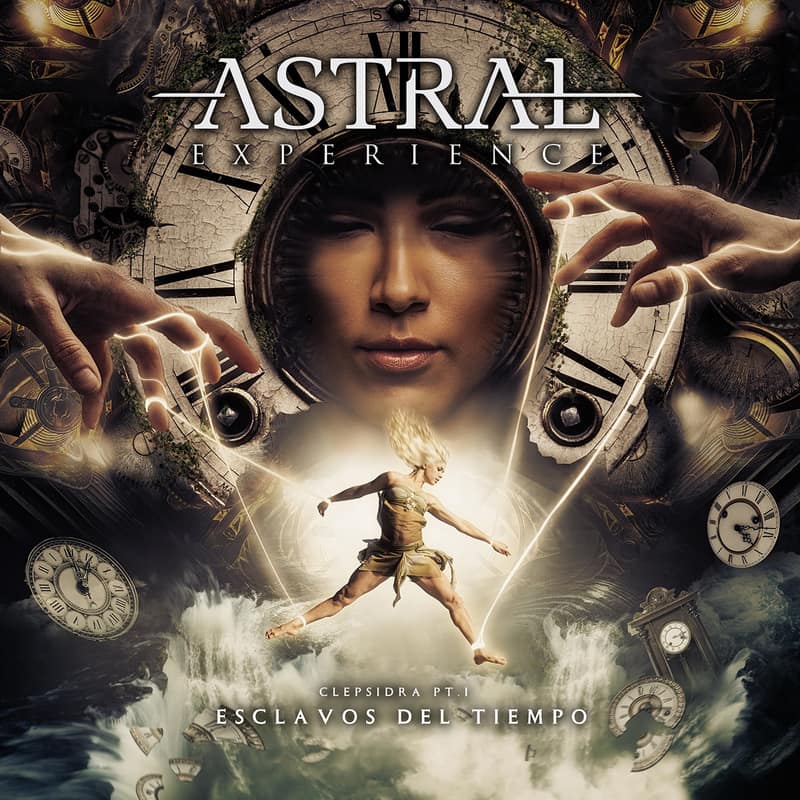
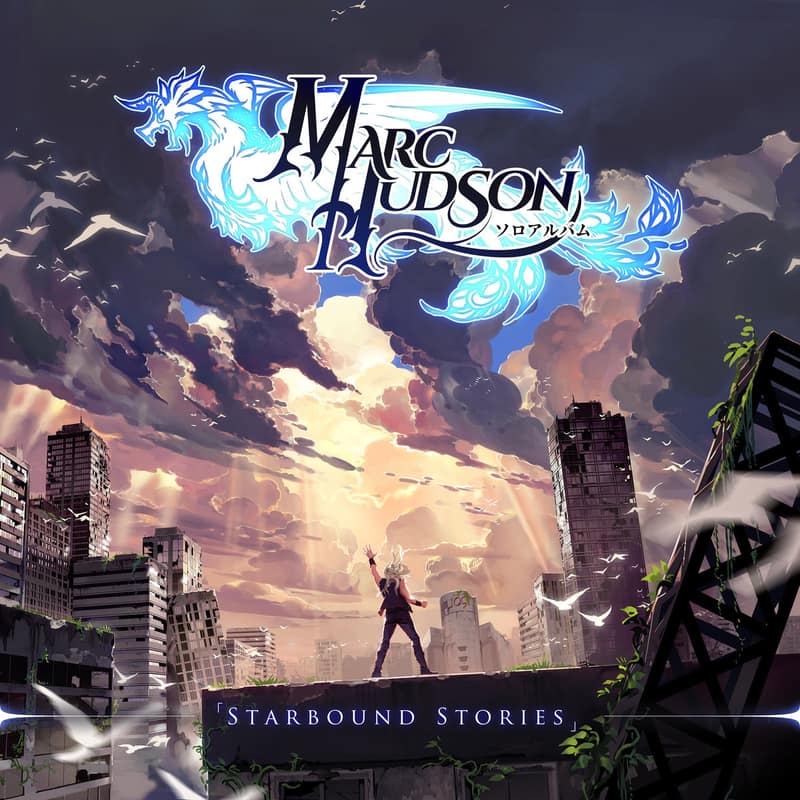
This historical appreciation connects directly to current European metal development. Power metal acts like Astral Experience and Marc Hudson continue refining the sophisticated approaches pioneered by Swedish innovators, while maintaining the technical precision that distinguishes European metal from its international counterparts.
Electronic Crossover Maintains UK Innovation Leadership
The Prodigy's announcement of their first New York City performance in seventeen years, scheduled for the CBGB Festival weekend, demonstrates how British electronic-metal pioneers maintain their influence over global alternative music development. While this particular show occurs in America, it represents the kind of international cultural export that has made UK electronic music indispensable to global alternative scenes.
The Prodigy's approach to combining electronic innovation with metal aggression established blueprints that Continental acts continue developing. Their influence extends far beyond direct musical copying – they demonstrated how European acts could maintain underground credibility while achieving massive commercial success, a balance that many current European metal acts still strive to achieve.
This electronic-metal crossover remains particularly strong across European scenes, where the infrastructure for both electronic music and metal overlaps more naturally than in other global markets. The result is continued innovation in hybrid approaches that international acts often struggle to replicate authentically.
Festival Circuit Adaptation Continues
The broader implications of these developments extend throughout European festival culture, which remains the backbone of Continental metal scenes. Rock Im Park's inclusion of Breaking Benjamin despite their travel complications demonstrates festival organizers' commitment to international diversity, even when logistical challenges multiply costs and complexity.
However, the practical benefits of booking European acts become increasingly apparent. Continental bands require less advance planning, fewer visa complications, and more flexible scheduling. They also bring audiences that understand European metal culture more intuitively, creating better overall festival experiences.
The result is a European metal ecosystem that becomes more self-contained while maintaining global influence. International acts still seek European validation, but European acts need international approval less desperately than previous generations. This confidence shift has profound implications for how European metal scene development continues.
Cultural Export Versus Internal Development
The week's news highlights the tension between European metal's role as cultural exporter and its internal creative development. Lordi's Eurovision legacy continues generating international interest, The Prodigy maintains global influence, and Nordic metal innovations inspire worldwide copying. Yet the strongest growth occurs in underground Continental scenes that prioritize regional development over international recognition.
This balance suggests European metal has achieved sufficient cultural confidence to prioritize internal creative development while maintaining global relevance. The best metal bands emerging from European scenes often focus on Continental audiences first, viewing international expansion as optional rather than essential for creative validation.
The implications extend beyond metal into broader cultural questions about European artistic independence. Metal scenes often serve as early indicators of wider cultural trends, suggesting European creative communities increasingly prioritize regional development over international validation. Whether this trend continues or reverses depends largely on how effectively European metal scenes maintain their creative momentum while international acts struggle with practical barriers to Continental engagement.
For European metal fans, these developments promise continued access to innovative music created specifically for Continental audiences, with international influences filtered through distinctly European creative sensibilities. The result should be metal that speaks more directly to European experiences while maintaining the global perspective that has always distinguished the European metal scene from more insular regional developments.