European Metal Tours Face Transportation Crisis as American Acts Refuse Air Travel While Continental Underground Tours Multiply
The European metal touring circuit confronts an unprecedented challenge as major American acts develop elaborate workarounds to avoid air travel, while simultaneously witnessing an explosion of underground Continental tours that highlight the stark differences between international spectacle and grassroots authenticity.
Breaking Benjamin's Maritime Solution Exposes American Metal's Air Travel Crisis
Benjamin Burnley's declaration that he will "take a boat" to reach Breaking Benjamin's European tour dates beginning at Germany's Rock Im Park festival reveals a growing crisis among American metal acts attempting to maintain their European presence despite severe travel limitations. This maritime approach to Continental touring represents a dramatic shift from the established aviation-dependent model that has defined international metal touring for decades.
The logistical complexity of Burnley's boat-based European campaign highlights how American acts must now engineer elaborate solutions to maintain their Continental market presence. While Breaking Benjamin prepares for this unconventional journey across the Atlantic, European venues face the challenge of accommodating acts whose arrival schedules depend entirely on maritime weather conditions and shipping logistics rather than predictable flight timetables.
This transportation crisis creates opportunities for Turning Point and other Continental heavy metal acts who can navigate European festival circuits without crossing oceans. The reliability advantages of European-based touring become increasingly valuable as American acts struggle with complex travel arrangements that add weeks to their European campaign preparations.
Static Dress Cancellation Highlights European Tour Vulnerability
Static Dress's complete cancellation of their immediate European touring schedule demonstrates how family emergencies can instantly derail carefully planned Continental campaigns that include both festival appearances and support slots with major acts like Knocked Loose. This sudden withdrawal leaves European promoters scrambling to fill significant gaps in their summer programming while highlighting the fragile nature of international touring commitments.
The ripple effects of such cancellations extend beyond immediate venue concerns, affecting the broader European metal ecosystem where rising acts depend on high-profile support slots to reach new audiences across multiple countries. When international acts withdraw from European commitments, Continental venues often turn to regional acts who can step in with minimal logistical complications.
European metalcore acts like Khous and Harido represent the type of reliable Continental alternatives that festival organizers increasingly value. These regional acts can provide the intensity and technical proficiency audiences expect while offering the scheduling flexibility and reduced travel complexity that international acts cannot match during crisis situations.
Young Widows October Campaign Demonstrates European Underground Expansion
Young Widows' announcement of nine European shows plus a festival appearance in October, supported by Aicher, exemplifies the expanding underground touring networks that now crisscross the Continental metal scene. This comprehensive European campaign represents the type of focused international engagement that contrasts sharply with the hit-or-miss approaches of larger acts struggling with travel limitations.
The structured nature of Young Widows' European tour—combining multiple countries with festival integration—demonstrates how experienced underground acts have mastered Continental touring logistics that challenge even established mainstream metal bands. Their collaboration with supporting act Aicher creates the type of package touring that European venues prefer, offering audiences complete experiences while reducing booking complexity for promoters.
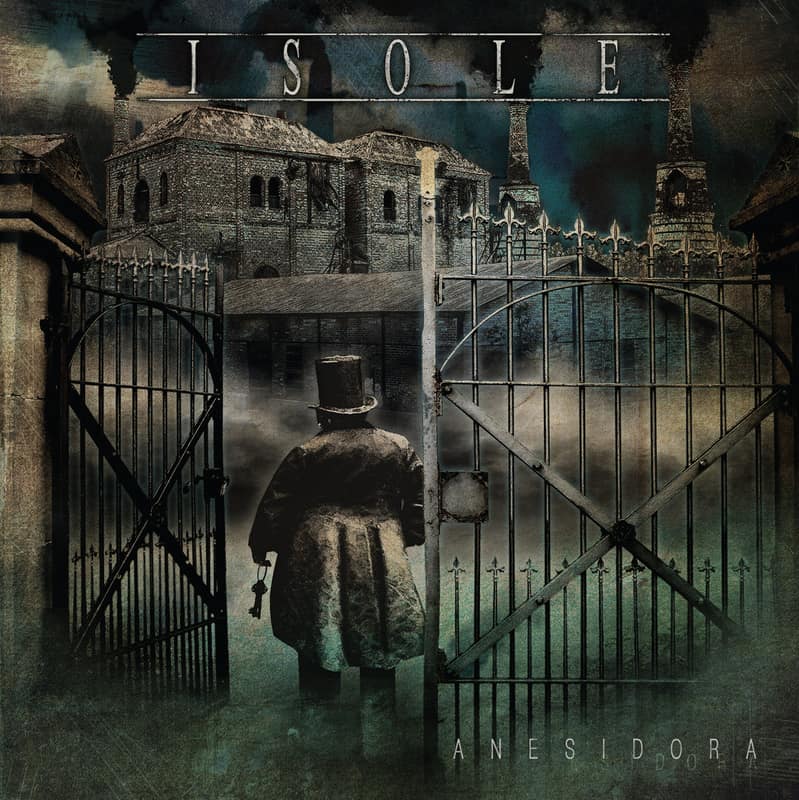
This underground expansion benefits European extreme metal acts who share billing with international touring packages. Bands working within doom metal territories like Berk and Isole find increased opportunities as venue networks expand to accommodate the growing demand for authentic underground metal experiences that prioritize artistic integrity over commercial spectacle.
Revival Projects Signal European Metal's Archival Authority
Stabbing Westward's decision to completely reimagine their 1996 gold-certified album "Wither Blister Burn & Peel" reflects a broader trend where established acts recognize European audiences' sophisticated appreciation for musical archaeology and creative reinterpretation. The original album's success with singles like "Shame" and "What Do I Have to Do?" provides a foundation for exploring how classic material translates into contemporary European metal contexts.
This reimagining approach appeals particularly to European metal audiences who have consistently demonstrated deeper engagement with album-length artistic statements compared to single-focused American markets. Continental listeners' appreciation for complete creative visions makes Europe an ideal testing ground for ambitious reinterpretation projects that might face resistance in more commercially driven markets.
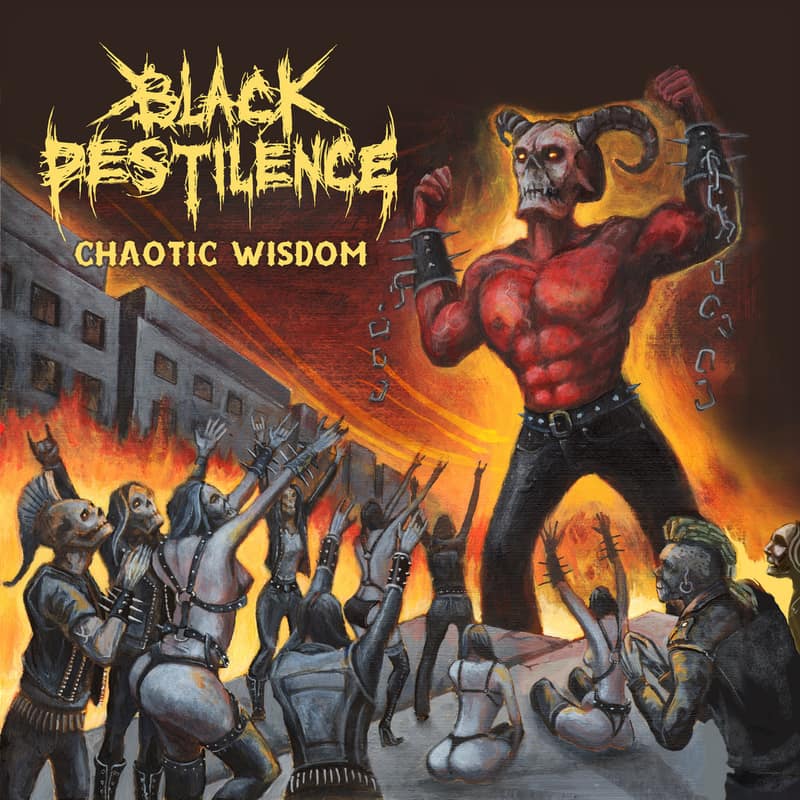
The archival sophistication required for such projects aligns with European metal's historical consciousness, where acts like Pestilence have maintained decade-spanning creative evolution. European venues and audiences provide the contextual knowledge necessary for appreciating how contemporary reinterpretations connect with historical metal development.
Festival Integration Becomes European Metal's Strategic Advantage
The convergence of major festival announcements, from Germany's Rock Im Park to various underground festival collaborations, demonstrates how European metal's festival-centered infrastructure provides stability that individual venue touring cannot match. Festival integration allows both international and Continental acts to reach maximum audiences while minimizing the logistical complications that increasingly plague independent venue touring.
European metal festivals have evolved into comprehensive cultural experiences that showcase everything from classic reimaginings to cutting-edge underground innovation. This festival ecosystem supports diverse programming that accommodates acts ranging from heritage performers requiring complex travel arrangements to emerging Continental bands seeking exposure beyond their regional markets.
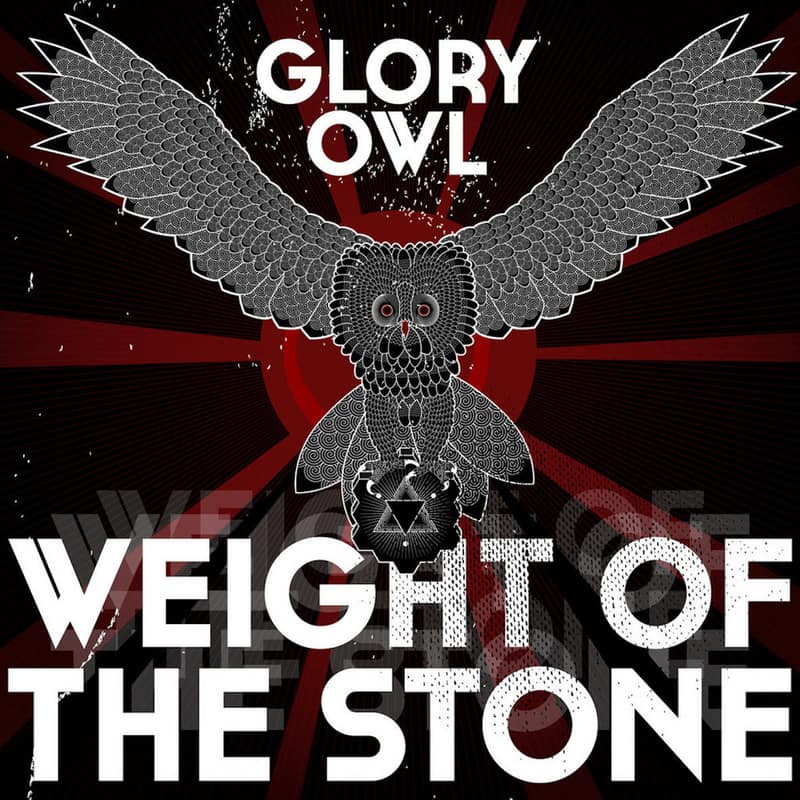
The festival model's success creates opportunities for Glory Owl and other European stoner metal acts who can deliver the immersive experiences that festival audiences seek. Festival programming allows these acts to share stages with international headliners while building the type of Continental fan bases that sustain year-round touring activity.
European metal's festival-driven infrastructure increasingly positions the continent as both creative center and essential market for global metal development. As American acts struggle with travel complications and underground scenes expand their touring networks, Continental festivals provide the stable platform where international metal culture evolves through direct audience engagement.
The transportation crisis facing American metal acts, combined with the expanding European underground touring circuit, signals a fundamental shift toward Continental metal self-sufficiency that may reshape global metal touring patterns for years to come. European audiences' sophisticated engagement with both heritage acts and emerging underground talent positions the continent as metal's most reliable and culturally significant market.