British Metalcore Invasion and American Label Revolution Signal Continental Metal Market Expansion
The European metal landscape is experiencing a seismic shift as American acts launch unprecedented Continental campaigns while industry powerhouses restructure their global operations. From the UK's stages to the continent's underground venues, these developments signal a new era where European markets have become essential battlegrounds for metal supremacy.
Beartooth's Strategic Continental Assault
Ohio metalcore titans Beartooth are spearheading what appears to be a calculated American assault on European territories with their upcoming album "Pure Ecstasy" and accompanying Continental tour announcement. The band's collaboration with Periphery's Misha Mansoor on the title track demonstrates the increasingly sophisticated approach American acts are taking toward European audiences, recognizing that Continental metal fans demand technical prowess alongside emotional intensity.
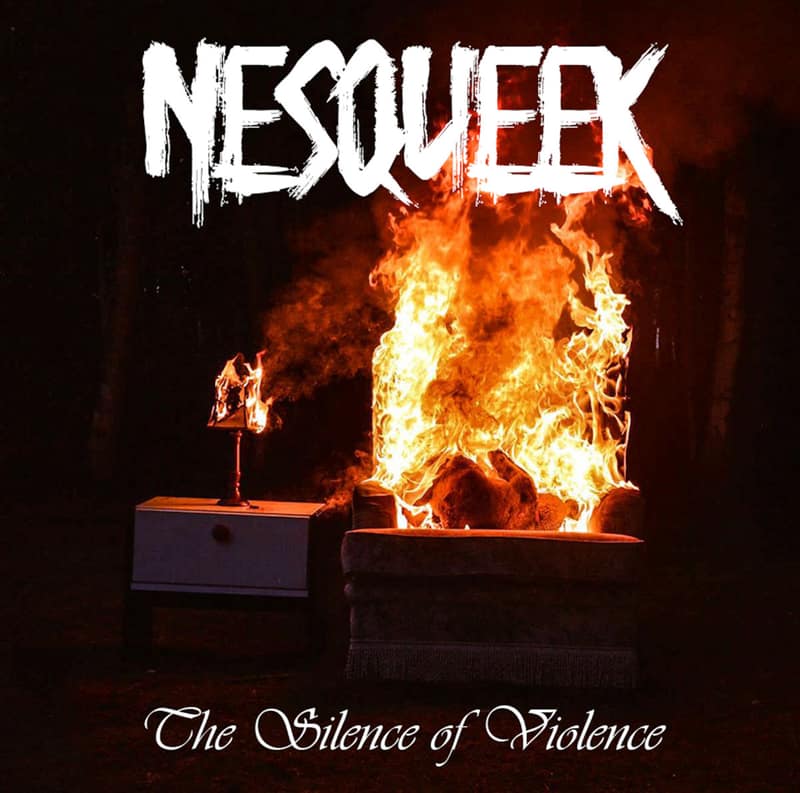
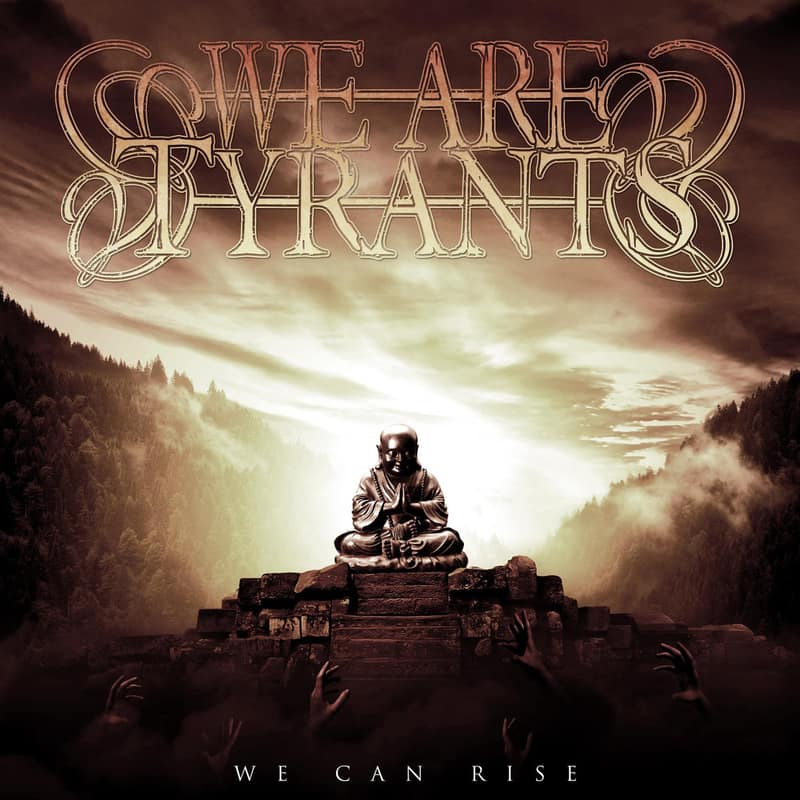
This strategic move reflects a broader understanding that European metalcore audiences, particularly those familiar with acts like We Are Tyrants and Nesqueek, expect innovation rather than formula. Beartooth's decision to involve Mansoor—a producer and guitarist known for his progressive sensibilities—suggests American metalcore is adapting to Continental expectations for technical sophistication.
The timing of this European push coincides with the genre's evolution across the continent, where traditional metalcore boundaries are being dissolved by bands incorporating elements of progressive metal and atmospheric composition. European metalcore has developed its own identity, distinct from American aggression-focused approaches, emphasizing melody and technical complexity that reflects the continent's broader metal heritage.
UK Circuit Becomes International Showcase
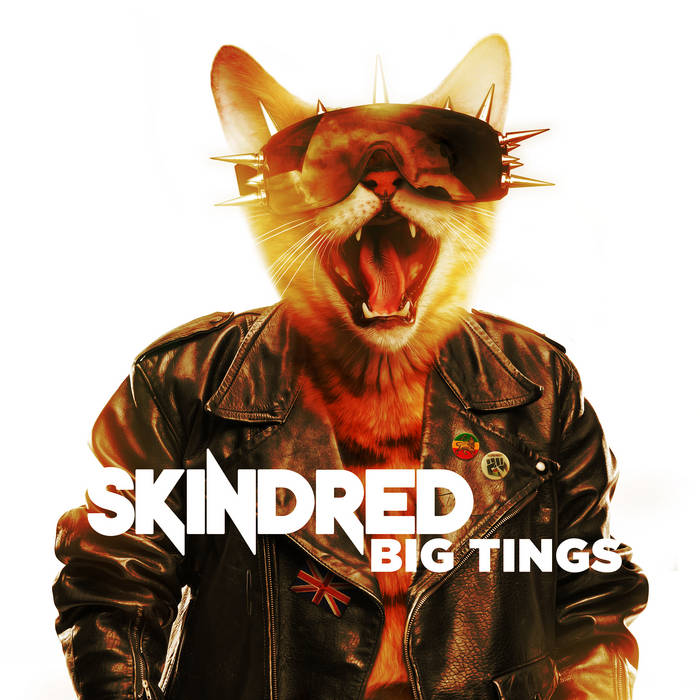
The British Isles continue serving as Europe's metal gateway, with Alien Ant Farm's announcement of dedicated UK headlining shows alongside their multi-band package tour featuring Skindred, Spineshank, and Orgy. This October-November campaign represents more than nostalgia touring—it demonstrates how the UK market has become a proving ground for American acts seeking broader European acceptance.
British metal venues have evolved into sophisticated testing environments where American bands can gauge Continental reception before committing to larger European campaigns. The UK's unique position—geographically European but culturally bridging American and Continental sensibilities—makes it an ideal barometer for metal acts planning broader regional strategies.
This trend extends beyond individual tours to represent a fundamental shift in how American metal acts approach European markets. Rather than treating the continent as secondary to domestic success, bands are recognizing Europe's role as a creative and commercial equal, requiring dedicated attention and specialized approaches.
Label Revolution Reshapes Global Distribution
The metal industry's infrastructure is undergoing radical transformation with Craig Ericson's launch of Vaux Records following his departure from Rise Records after its BMG acquisition. This development signals a growing recognition that independent labels can compete with major corporate structures by focusing on artist development and authentic fan connections.
Simultaneously, Ocean Sleeper's signing to Rise Records/BMG demonstrates how major labels are expanding their global reach, particularly targeting territories where metal scenes have achieved commercial and critical maturity. The Australian band's partnership with Rise's European distribution network reflects the increasingly international nature of metal commerce.
These label movements particularly impact European markets, where independent distribution has traditionally dominated underground scenes. Continental metal fans, accustomed to discovering bands through word-of-mouth networks and local venues, now encounter major-label marketing strategies adapted for regional preferences. This evolution affects how European audiences discover new acts and how Continental bands position themselves within global metal hierarchies.
Visual Artistry and Creative Independence
Alissa White-Gluz's Blue Medusa project exemplifies the creative independence defining contemporary European metal. Her "Flying Monkey" release demonstrates how established artists are leveraging their Continental connections to explore artistic territories beyond their main projects. White-Gluz's Canadian origins combined with her European metal associations position Blue Medusa as a transcontinental creative venture.
This trend toward side projects and creative exploration reflects European metal's emphasis on artistic development over commercial formula. Continental scenes have historically supported musicians' experimental ventures, creating environments where established artists can take creative risks without jeopardizing their primary careers. Blue Medusa's emergence within this context suggests that European metal's supportive infrastructure continues attracting international talent seeking creative freedom.
The project's visual presentation, particularly the "Flying Monkey" video, demonstrates how modern metal acts must excel across multiple media formats to succeed in European markets. Continental metal fans expect sophisticated visual artistry that complements musical innovation, raising standards for production values across the scene.
Political Complications and Artistic Boundaries
Enter Shikari's cancellation of their North American touring plans due to visa complications highlights the increasing political complexities affecting international metal touring. While the British band's difficulties involve American rather than European markets, these issues reflect broader challenges facing international metal touring in an era of increased bureaucratic scrutiny.
European metal scenes, traditionally characterized by open borders and fluid artistic exchange, must navigate evolving political landscapes that can disrupt touring patterns and collaborative projects. The continent's internal cohesion provides advantages over trans-Atlantic touring, but global political tensions still impact European bands seeking international exposure.
These complications emphasize European metal's strength as a self-contained ecosystem capable of supporting diverse artistic ventures without requiring external validation. Continental metal scenes have developed sufficient depth and commercial viability to sustain bands throughout their careers, reducing dependence on international markets while maintaining global influence through digital distribution and selective touring.
Legacy Acts and Generational Transition
Evanescence's continued video production and Tom Morello's collaboration with Serj Tankian demonstrate how metal's established generation maintains relevance while mentoring emerging talent. Morello's inclusion of his son in the creative process represents the literal passing of musical knowledge between generations, while Evanescence's sustained visual innovation shows how heritage acts adapt to contemporary presentation standards.
These developments particularly resonate within European metal contexts, where multi-generational audiences regularly attend the same events. Continental metal scenes excel at bridging generational gaps, creating environments where veteran acts and emerging bands share stages and audiences without demographic segregation. This cultural characteristic distinguishes European metal from regions where generational divides create separate market segments.
The collaborative nature of these projects—Morello and Tankian's partnership, White-Gluz's creative exploration—reflects European metal's emphasis on artistic community over competitive individualism. Continental scenes have historically supported collaborative ventures that prioritize creative development over commercial competition.
Continental Metal's Global Authority
These developments collectively demonstrate European metal's evolution into a global creative center that attracts international talent while maintaining distinct regional characteristics. American acts increasingly recognize Continental markets as essential for career development, while industry infrastructure adapts to support transcontinental artistic ventures.
The European metal scene's strength lies in its ability to absorb international influences while maintaining authentic regional identity. Whether supporting American metalcore invasions, facilitating cross-Continental collaborations, or nurturing experimental side projects, European metal scenes provide frameworks for artistic development that extend far beyond geographical boundaries.
As new metal bands 2026 prepare their campaigns and established acts plan their metal bands touring 2026 strategies, the European metal scene's role as global creative authority becomes increasingly apparent. Continental metal has achieved the perfect balance: maintaining authentic regional character while operating as an international artistic hub that shapes metal's global development.