Black Sabbath's Geezer Butler Champions Animal Welfare While European Metal Legends Face Mortality and Creative Rebirth
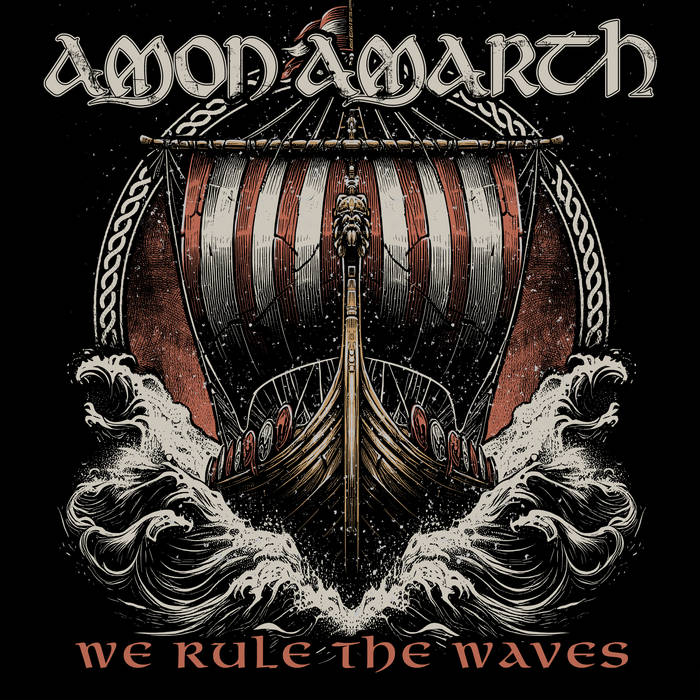
The weight of metal's legacy carries different meanings for different legends, as recent developments demonstrate the varied paths aging icons navigate between activism, mortality, and creative renewal. From unexpected animal welfare campaigns to final farewells and ambitious new projects, the scene's elder statesmen continue shaping metal's narrative in profoundly personal ways.
Heavy Metal Activism Takes Unexpected Turn
Black Sabbath bassist Geezer Butler has emerged as an unlikely champion in the fight to rescue laboratory beagles, lending his considerable influence to The Center For A Humane Economy's efforts to rehome 1,500 dogs from Wisconsin's Ridglan Farms. Butler's involvement highlights a growing trend among metal veterans using their platforms for causes beyond music, demonstrating how the genre's foundational figures increasingly engage with social issues as their careers mature.
The campaign's success in removing hundreds of animals from laboratory conditions reflects the considerable influence metal legends wield when they choose to engage in activism. Butler's participation particularly resonates given Black Sabbath's foundational role in establishing heavy metal as a genre unafraid to confront uncomfortable truths about society and human nature.
This intersection of metal heritage and animal welfare activism represents a fascinating evolution for artists who built careers challenging conventional thinking. When pioneers like Butler apply that same confrontational spirit to humanitarian causes, it demonstrates heavy metal's potential for positive social impact beyond its traditional boundaries.
European Metal Faces Final Farewells
The recent passing and burial of Phil Campbell in Wales marks another significant loss for the European metal community, particularly affecting those who followed Motörhead's relentless touring across Continental venues for decades. Campbell's final resting place in his Welsh homeland underscores the deep regional connections that define European metal culture, where local identity remains paramount despite global success.
Motörhead's influence on European metal cannot be overstated, with their aggressive approach helping define what would become speed metal and influencing countless Continental acts. Bands like Monitor and other European speed metal pioneers owe significant creative debts to the foundation Campbell helped establish through his decades with Lemmy's legendary outfit.
The timing of Campbell's passing coincides with announcements regarding Motörhead's upcoming 20th anniversary reissue of 'Kiss of Death,' creating a bittersweet reminder of both loss and legacy. These commemorative releases serve crucial roles in preserving metal history while introducing classic material to new generations of European metalheads who missed the original impact.
Nordic Excellence Continues Creative Evolution
Finnish cello rockers Apocalyptica continue demonstrating why European metal maintains its reputation for innovation and artistic fearlessness. Eicca Toppinen's recent defense of Metallica's controversial 'St. Anger' album reveals the kind of artistic courage that has defined Finland's metal scene for decades. While many dismiss the album's unconventional production choices, Toppinen's support reflects a deeper understanding of creative risk-taking that European metal has always championed.
Apocalyptica's ongoing "Plays Metallica, Vol. 2" tour campaign demonstrates how European acts continue finding innovative ways to reinterpret metal classics. Their approach of transforming thrash metal anthems into orchestral compositions parallels broader trends across Continental metal, where bands consistently push genre boundaries rather than simply replicating established formulas.
This willingness to defend controversial artistic choices while simultaneously reimagining classic material exemplifies why European metal scenes remain globally influential. The continent's best metal bands have always balanced reverence for tradition with fearless creative experimentation, producing some of the best heavy metal songs precisely because they refuse to play it safe.
Swedish Death Metal Legends Forge New Paths
The formation of Fimbul Winter by former Amon Amarth members represents another chapter in Swedish death metal's ongoing evolution, with their new single "Crowned In Ash" demonstrating how veteran musicians continue pushing melodic death metal boundaries. Sweden's metal scene has produced countless influential acts over decades, with current European underground acts drawing inspiration from both classic Swedish death metal and contemporary innovations.
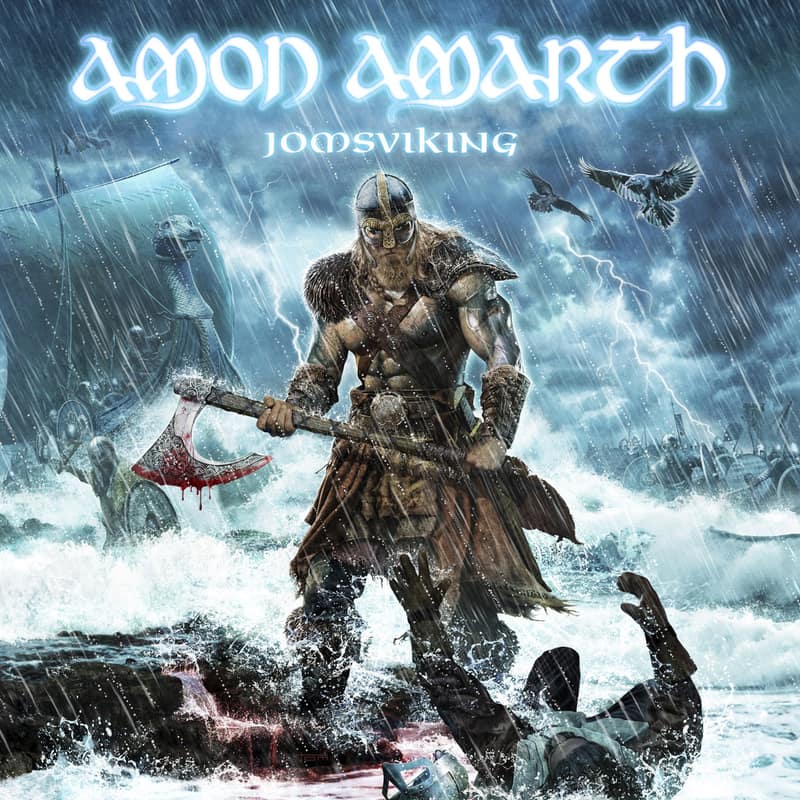
Fimbul Winter's atmospheric approach to heavy, melodic compositions reflects broader trends within European extreme metal, where bands increasingly incorporate diverse influences while maintaining genre authenticity. This balance between innovation and tradition has helped Swedish metal maintain its global influence while inspiring new generations of Continental extreme metal acts.
The band's formation also highlights how veteran Swedish musicians continue contributing to their local scenes rather than simply resting on past achievements. This commitment to ongoing creativity helps explain why Scandinavian metal scenes remain vital creative centers that consistently produce new metal bands gaining international recognition.
American Innovations Impact European Creation
While American acts like Korn announce massive creative outputs with nearly 40 songs written for their upcoming album, European metal scenes continue demonstrating more measured approaches to creativity that prioritize quality over quantity. This philosophical difference reflects broader cultural distinctions between American and European metal production methods.
The contrast becomes particularly evident when examining how established European acts approach album creation compared to American counterparts. Continental metal bands typically develop material through extensive live performance and gradual refinement, creating deeper connections between artists and their regional audiences through extended development processes.
European metal's commitment to organic creative development continues influencing global metal trends, even as American acts pursue higher-volume approaches. The continent's emphasis on artistic depth over commercial speed helps explain why European metal scenes consistently produce music that ages well and maintains long-term cultural significance.
The Ongoing European Metal Renaissance
Current developments across European metal demonstrate a scene in creative renaissance, with veteran acts maintaining artistic relevance while new generations emerge from Continental underground scenes. From Finnish symphonic innovation to Swedish death metal evolution, European metal continues establishing global creative standards.
The combination of activist engagement, memorial reflection, and creative innovation among metal's elder statesmen reflects a mature scene confident in its cultural importance. As these legends navigate their later careers, they're demonstrating how heavy metal can address serious social issues while maintaining its aggressive musical identity.
For European metal fans seeking to discover emerging talent alongside established legends, the continent's diverse regional scenes offer unprecedented opportunities. Whether exploring Nordic innovation, British tradition, or Central European extremity, the current European metal landscape provides something for every taste while honoring the genre's rebellious foundations.