American Metal's Complete European Dominance: Sevendust, Dragonforce, and Mastodon Drive Continental Scene Into New Era
The European metal scene is experiencing an unprecedented transformation as American acts establish complete dominance over Continental touring circuits while major bands undergo dramatic lineup changes that will reshape the genre's landscape through 2027.
Sevendust's European Renaissance Signals American Supremacy
Atlanta's Sevendust has emerged from near-retirement discussions to announce their most ambitious European campaign in nearly a decade. The band's upcoming 16-date Continental headline tour represents more than just a return to European stages—it signals American metal's strategic positioning to capture European markets during a period of unprecedented opportunity.
The quintet's European expansion comes at a critical moment when Continental metal infrastructure has evolved to support extensive American touring operations. Their recent arena support slot with Alter Bridge demonstrated the appetite European audiences have for American acts, setting the stage for this winter's comprehensive headline campaign across the continent.
What makes Sevendust's European push particularly significant is the band's admission that retirement was genuinely considered before their latest album cycle. This near-dissolution followed by aggressive European expansion reflects broader American strategic thinking about Continental markets as essential for career longevity in modern metal.
Dragonforce Revolution: Alissa White-Gluz Era Begins
British power metal veterans Dragonforce have completed one of metal's most significant lineup transformations with the official live debut of new vocalist Alissa White-Gluz at Florida's Welcome to Rockville festival. This marks the end of the Marc Hudson era and signals a revolutionary approach to power metal that could influence European acts for years to come.
White-Gluz's integration represents more than a simple vocalist replacement—it's a fundamental shift in Dragonforce's sonic identity that will directly impact European power metal standards. Her extensive experience with Arch Enemy brings technical precision and extreme metal credibility that could push European power metal acts toward more aggressive territories.
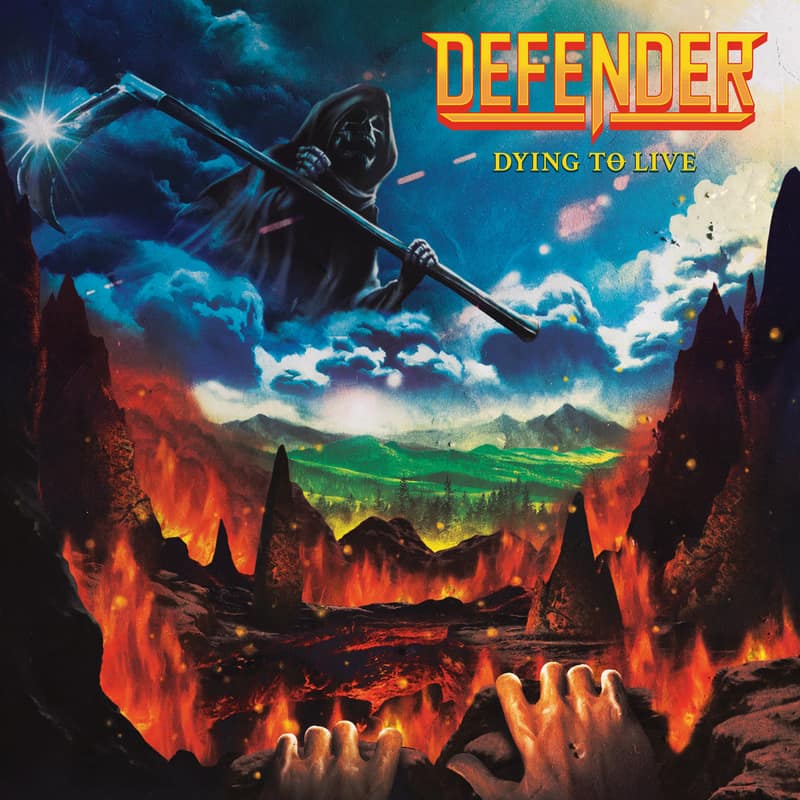
The timing of this transition coincides with European power metal's search for new directions, particularly as traditional approaches face increasing competition from progressive and technical subgenres. Acts like Defender and Nightfall will be watching closely as Dragonforce's new direction potentially sets templates for power metal evolution.
Mastodon's Controversial New Chapter
Atlanta progressive metal pioneers Mastodon have confirmed completion of their ninth studio album, but this achievement comes shadowed by the departure and subsequent passing of co-founding guitarist Brent Hinds. The finished record represents both artistic triumph and profound loss, creating a complex legacy that will influence progressive metal development across Europe.
Drummer Brann Dailor's confirmation that the album "was a hard record to make" takes on deeper meaning given Hinds' absence from the band's future. This situation creates unprecedented questions about how established metal acts maintain creative identity when core founding members depart, issues that European progressive metal bands will inevitably face as the genre matures.
The European progressive metal scene, rich with acts exploring complex musical territories, will be particularly affected by how Mastodon navigates this transition. The band's approach to maintaining their distinctive sound without Hinds could provide blueprints for other progressive acts facing similar challenges.
Kreator's Intimate European Festival Strategy
German thrash legends Kreator's intimate Kerrang! Pit performance at Welcome to Rockville demonstrates European metal's sophisticated approach to festival engagement. This strategic use of smaller venue formats within larger festival contexts represents European innovation in live performance that American acts are increasingly adopting.
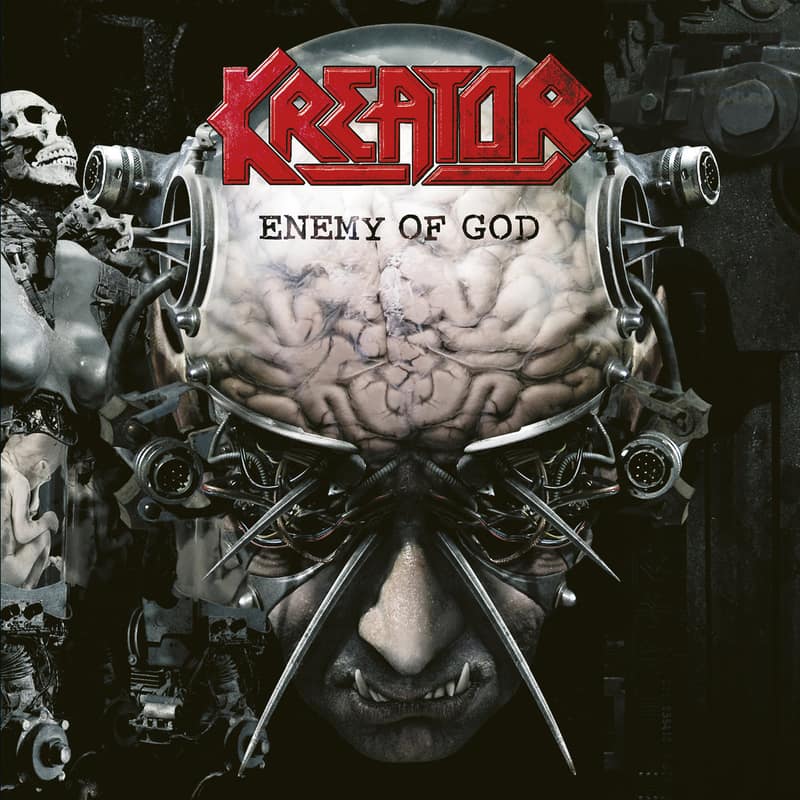
Kreator's approach highlights European metal's understanding of audience intimacy as a competitive advantage. While American acts often focus on arena spectacle, European bands continue leveraging close-contact performances to maintain authentic connections with audiences, a strategy that becomes more valuable as metal markets become oversaturated.
This performance philosophy contrasts sharply with the arena-focused approaches favored by many American acts, suggesting that European metal maintains distinct performance values even as American commercial influence grows across Continental markets.
Sacred Reich's Arizona Thrash Renaissance
Arizona thrash veterans Sacred Reich's work on "Into the Abyss" with legendary producer Bill Metoyer represents American thrash metal's continued commitment to authentic production values. Their partnership with Metal Blade Records for late 2026 release positions them within the broader American thrash revival that's increasingly targeting European audiences.
The band's recording approach at The Focusrite Room in Mesa emphasizes organic production techniques that contrast with heavily processed modern metal production. This methodology could influence European thrash acts seeking to balance traditional authenticity with contemporary metal standards.
Sacred Reich's return comes as European thrash scenes experience renewed interest in American influences, particularly acts that maintain connections to thrash metal's foundational periods. Their upcoming album could serve as a bridge between classic American thrash traditions and European metal's evolving technical standards.
Industry Health Challenges Reshape Metal Leadership
The revelation of Jason Newsted's throat cancer treatment and Marc Hudson's hearing issues that led to his departure from Dragonforce highlight critical health challenges facing metal industry veterans. These developments force conversations about longevity and succession planning that European metal scenes must address as their own veteran acts age.
Newsted's candid discussion of his health battles provides important context for understanding how physical demands of metal performance affect long-term careers. His experience with Metallica during metal's most physically demanding era offers lessons for current European acts planning extended careers.
Hudson's hearing-related departure from Dragonforce demonstrates how technical demands of modern metal can create specific health risks that didn't exist during earlier metal periods. European extreme metal acts, particularly those in technical death metal and black metal scenes, face similar risks as their music becomes increasingly complex and physically demanding.
Continental Metal's Response to American Expansion
The coordinated American metal expansion into European markets requires strategic responses from Continental scenes. European metal infrastructure has evolved to support this influx, but questions remain about how local scenes maintain distinct identities while accommodating increased American presence.
European festivals and venues are adapting to meet demands from major American acts, but this adaptation process could fundamentally alter how Continental metal scenes operate. The balance between supporting international acts and maintaining platforms for local talent becomes increasingly complex as American touring becomes more aggressive.
The European metal scene's response will likely determine whether Continental metal maintains its role as a creative leader or becomes primarily a market for American acts. Current developments suggest European metal is approaching a critical decision point about its future direction and cultural independence.