Legacy Album Titles Spark Controversy as American Metal Giants Plan Continental Dominance Through Platinum Success
The metal world has been buzzing with unexpected controversies and milestone achievements this week, as legendary British extreme metal pioneers Venom find themselves in a peculiar title dispute with American groove metal titans Lamb of God. Both bands have released albums titled "Into Oblivion" this year, prompting Venom's characteristic defiant response that cuts straight to the heart of metal's territorial nature.
"We wrote the song five years ago," Venom declared, displaying the same uncompromising attitude that helped establish extreme metal in the early 1980s. This isn't merely about coincidental naming—it reflects deeper questions about originality and legacy in an increasingly crowded metal landscape. Venom's reaction embodies the fierce independence that has long defined European metal culture, where authenticity and historical precedence carry significant weight.
American Metal's Platinum Ambitions Target European Markets
While legacy disputes simmer, American metal acts are achieving unprecedented commercial milestones that signal major shifts in global metal economics. Five Finger Death Punch recently secured their first multi-platinum single in the United States, a achievement that traditionally precedes major international touring campaigns. This commercial success pattern has historically indicated when American acts begin targeting European markets with substantial touring investments.
The timing proves significant for European metal promoters and venues, as platinum-certified acts typically command higher booking fees and require larger venue capacities. Upcoming shows across the continent may reflect this shift toward bigger American productions competing with established European festival circuits.
Sevendust's recent announcement of their first European headline tour in eight years exemplifies this trend. The Atlanta quintet's return to Continental stages follows their successful arena support slot with Alter Bridge, demonstrating how American acts are leveraging domestic success to rebuild their European presence after years of limited international activity.
Industry Recognition Patterns Shape Touring Strategies
The wave of industry recognition extends beyond individual achievements to broader strategic implications. Saosin's first gold album certification in the United States represents more than sales figures—it validates American alternative metal's commercial viability in ways that directly influence international expansion decisions. These certifications provide the financial backing necessary for extensive European touring campaigns.
For European metal scenes, this American commercial resurgence presents both opportunities and challenges. While successful touring acts bring revenue to local venues and crew, they also compete for audience attention and media coverage with domestic acts. The European metal scene has always prided itself on artistic integrity over commercial metrics, creating potential cultural friction as American platinum-certified acts arrive with substantial marketing budgets.
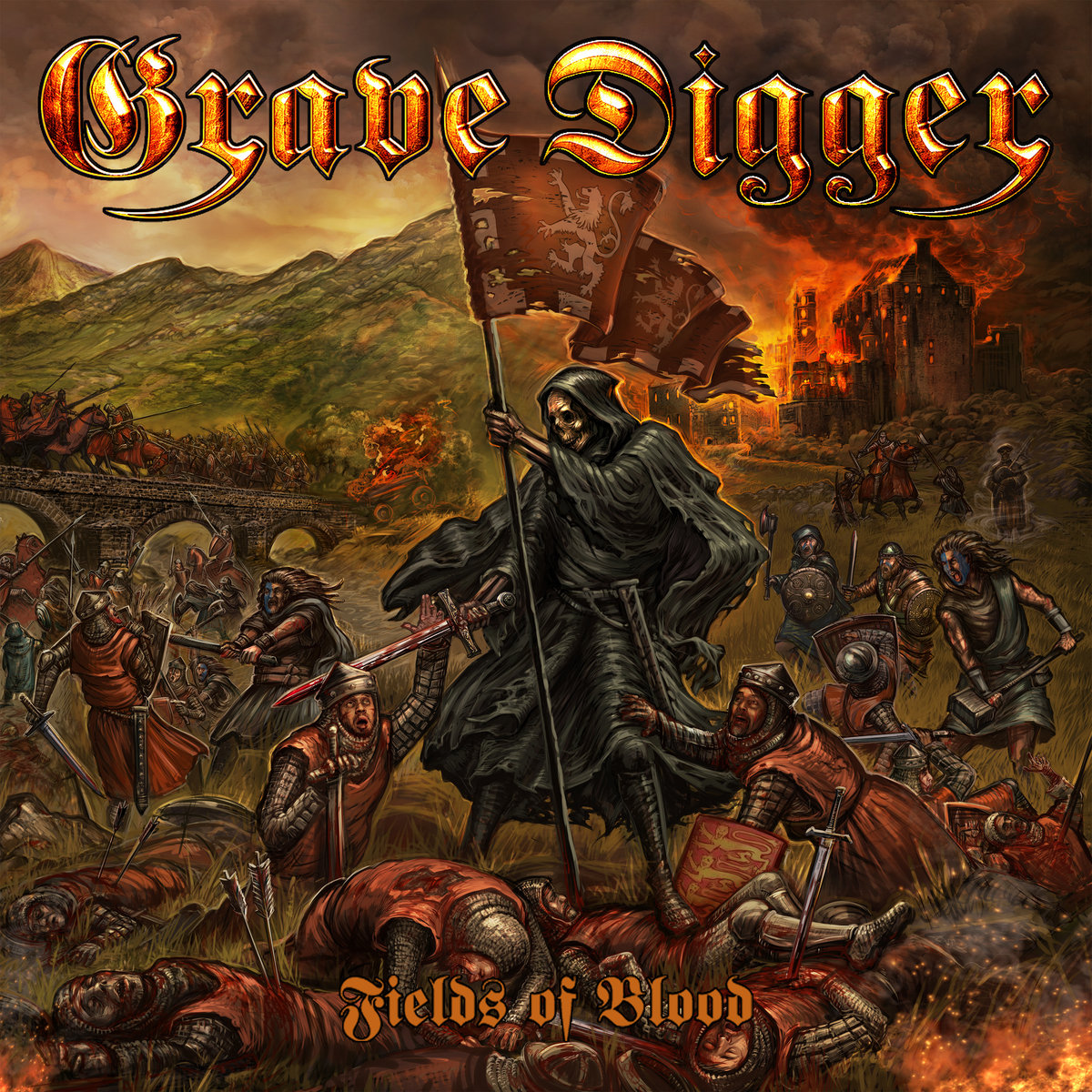
The contrast becomes particularly stark when considering Europe's approach to metal achievement. Continental acts often measure success through artistic innovation, underground respect, and festival slot progression rather than platinum sales figures. Bands like Grave Digger built decades-long careers through consistent European touring and fan loyalty without requiring American-style certification metrics.
Collaborative Performances Signal Genre Evolution
Recent collaborative performances across various metal festivals reveal interesting evolutionary patterns within the scene. Ice Nine Kills' debut performance of "Twisting The Knife" with MAPHRA demonstrates how established acts are embracing younger collaborators, while Hayley Williams' stage partnerships with Circa Survive's Anthony Green and Scowl's Kat Moss show cross-pollination between mainstream and underground metal communities.
These collaborations reflect a broader trend toward genre fluidity that European metal has long embraced. Continental festivals have historically featured diverse lineups spanning black metal legends, power metal virtuosos, and emerging extreme acts on the same bills. The American adoption of similar collaborative approaches suggests convergence in how both sides of the Atlantic approach metal programming.
For European audiences, this evolution means potentially more diverse touring packages arriving from American markets. Traditional genre boundaries continue blurring as established acts seek relevance with younger audiences while emerging acts gain credibility through veteran associations.
Technical Innovation and Old-School Values Clash
Veteran drummer Gene Hoglan's recent observations about grunge's thrash metal influences highlight ongoing tensions between innovation and tradition that resonate strongly within European metal circles. His perspective on movement-building versus organic musical development reflects debates common throughout Continental metal scenes, where technical proficiency and historical understanding carry exceptional weight.
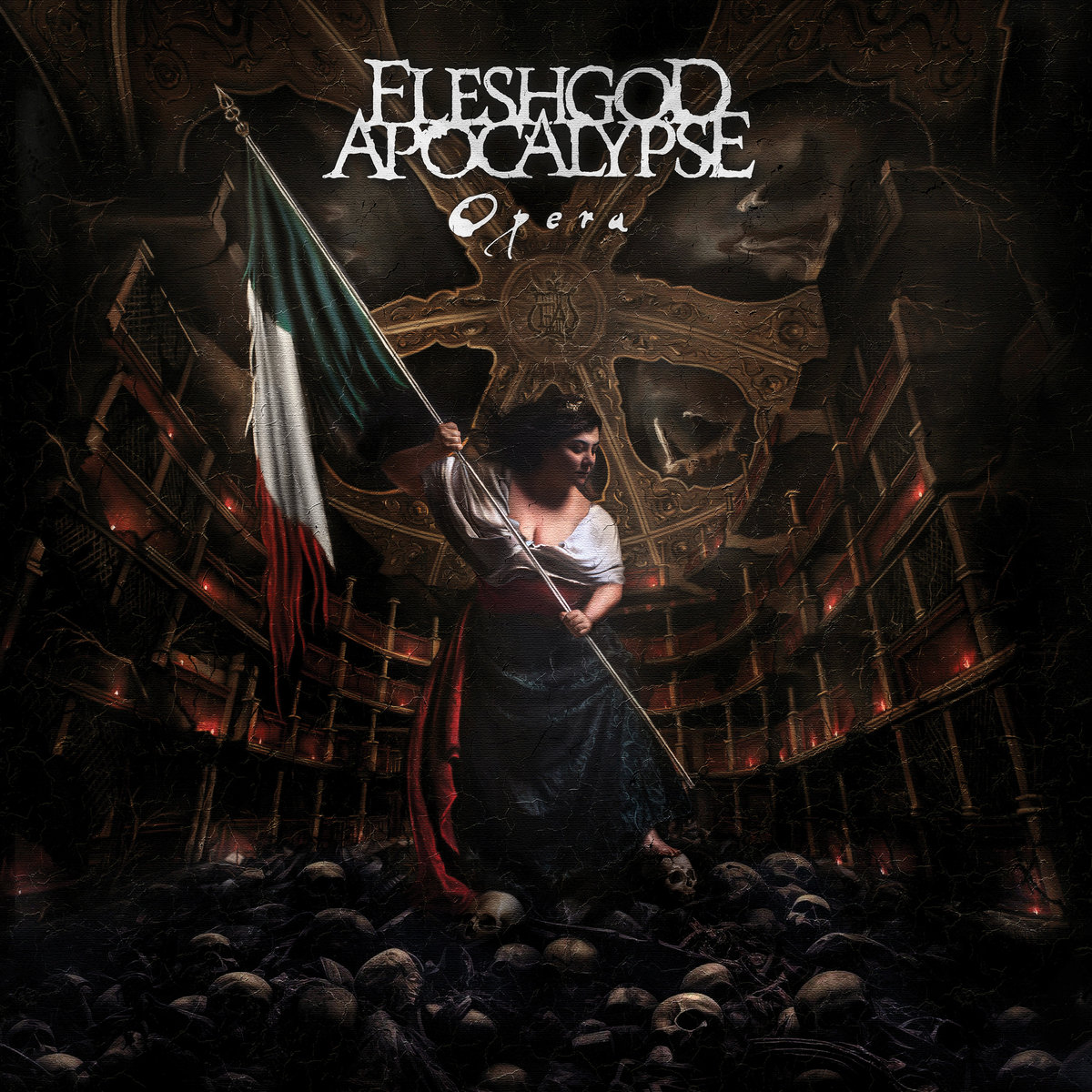
European metal has always maintained strong connections to its foundational elements while embracing technical advancement. Bands like Fleshgod Apocalypse demonstrate how Continental acts successfully blend traditional metal principles with cutting-edge compositional techniques, creating distinctly European approaches to genre evolution.
This technical sophistication becomes increasingly important as American acts with platinum credentials prepare Continental touring campaigns. European audiences typically demand high technical standards and deep musical knowledge from touring acts, regardless of commercial success metrics.
Corporate Influence Reshapes Metal Economics
Warner Music Group's substantial deal with Red Hot Chili Peppers, while not directly metal-related, signals broader industry trends affecting how major labels approach established acts across all heavy music genres. These corporate investments influence touring economics, venue selection, and marketing approaches that inevitably impact metal acts seeking similar opportunities.
European metal labels have traditionally operated with different economic models, focusing on artist development and regional market building rather than massive upfront investments. This difference creates interesting dynamics when American acts backed by major label resources compete for European audience attention against domestically-supported Continental acts.
The resulting landscape presents both threats and opportunities for European metal development. While major label resources can elevate production values and promotional reach, they may also homogenize artistic approaches in ways that conflict with European metal's diversity and independence values.
Looking Forward: Continental Metal's Response
As American acts leverage platinum success for European expansion, Continental metal scenes must balance welcoming international talent while maintaining their distinctive cultural identities. The title dispute between Venom and Lamb of God exemplifies this tension—established European acts defending their creative territory against American commercial influence.
European metal's strength has always resided in its diversity, technical excellence, and cultural authenticity. Bands across the continent, from atmospheric black metal innovators Darkspace to symphonic metal pioneers Gloryhammer, continue developing unique artistic voices that resist easy commercial categorization.

The coming months will reveal how successfully European metal scenes adapt to increased American touring presence while preserving their essential characteristics. For metal fans across the continent, this period promises unprecedented access to both international headliners and the continuing evolution of Europe's incomparable metal underground.
Whether through submitting your band to regional indices or supporting established Continental acts, European metal's future depends on maintaining its creative independence while engaging productively with global metal economics. The title dispute between legends may seem trivial, but it represents fundamental questions about ownership, influence, and identity that will shape metal's Continental development for years ahead.