Norwegian Symphonic Black Metal Renaissance as Legal Victories Protect Metal Heritage and Innovation
Norway's symphonic black metal titans Dimmu Borgir are spearheading a creative renaissance that reflects broader European metal scene developments, while recent legal victories demonstrate the continent's growing commitment to protecting metal heritage and intellectual property rights.
Dimmu Borgir's Artistic Evolution Defines Norwegian Black Metal Maturity
The Norwegian symphonic black metal legends are preparing to release "Grand Serpent Rising" on May 22 via Nuclear Blast Records, marking a significant moment in the band's artistic evolution. Guitarist Sven "Silenoz" Kopperud's recent commentary on the album's extended development process reveals a philosophical approach that distinguishes mature European metal from rushed commercial releases.
The serpent imagery central to the new album represents renewal and transformation—concepts that resonate deeply within European black metal's philosophical traditions. This thematic sophistication demonstrates how Norwegian bands continue to push conceptual boundaries while maintaining the genre's atmospheric intensity.
European Smear and Nordevarg exemplify similar approaches to black metal artistry, where extended creative processes yield more substantial artistic statements. The Norwegian influence on Continental black metal development cannot be overstated, with bands across Europe adopting similar patient approaches to album development.
Legal Victories Strengthen European Metal Heritage Protection
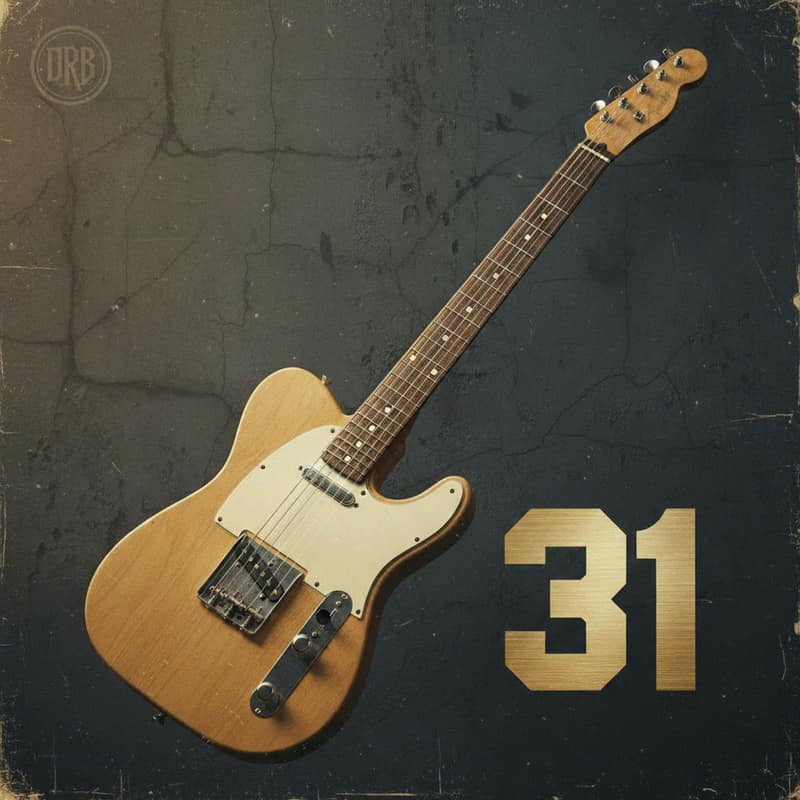
Recent court decisions regarding metal intellectual property have established important precedents for European artists. The Florida court ruling in favor of Dean Guitars' parent company Armadillo regarding Dimebag Darrell estate trademark disputes demonstrates how legal frameworks are evolving to protect metal heritage and brand integrity.
These developments have significant implications for European metal bands seeking to protect their creative assets and brand identities. The ruling establishes that commercial use and good faith activity over extended periods create legitimate trademark claims, providing guidance for Continental metal acts developing their own distinctive imagery and branding strategies.
European metal bands increasingly understand the importance of protecting their creative intellectual property, especially as streaming platforms and merchandise sales become primary revenue sources. The legal precedent supports bands that invest time and resources in developing distinctive visual identities and brand recognition.
International Recognition Elevates Metal's Cultural Status
Dave Mustaine's recognition as Guest of Honor in Buenos Aires, Argentina, represents the global cultural impact that metal legends achieve through decades of consistent artistic output. This recognition pattern extends to European metal icons who have similarly influenced international music culture through sustained excellence.
The formal recognition of metal artists by governmental institutions reflects the genre's maturation from underground movement to legitimate cultural force. European metal bands benefit from this elevated cultural status, with Continental governments increasingly recognizing metal music's economic and cultural contributions to their regions.
This institutional recognition creates opportunities for European metal festivals, recording studios, and related cultural industries to receive support and recognition previously reserved for more traditional musical forms. The ripple effects benefit emerging European bands who inherit more professional and respected industry infrastructure.
Creative Patience Versus Commercial Pressure in European Metal
The extended development periods that characterize quality European metal releases stand in stark contrast to industry pressure for frequent content production. Dimmu Borgir's approach to "Grand Serpent Rising" exemplifies how established European bands prioritize artistic integrity over commercial scheduling demands.
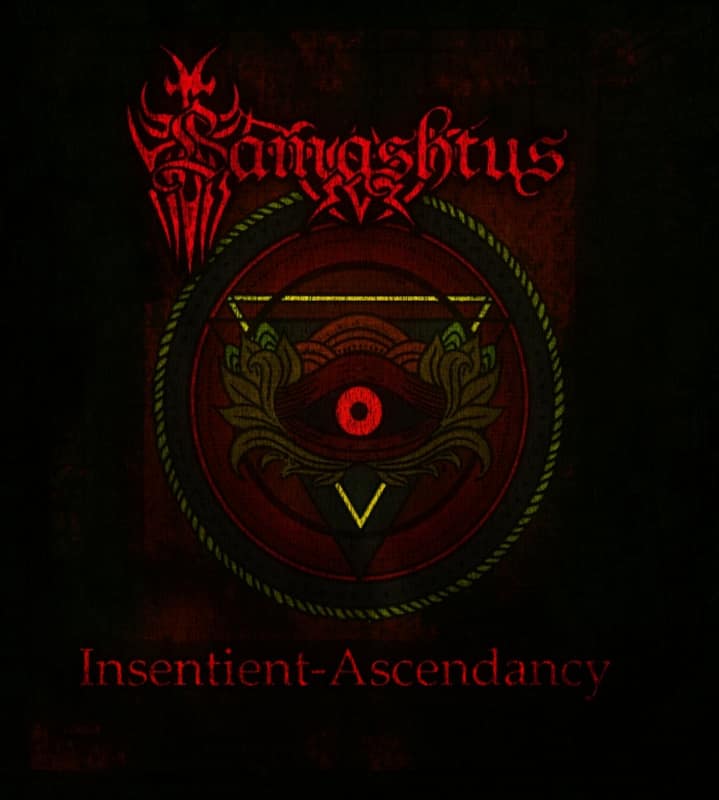
This philosophy influences emerging European metal acts who observe how sustained quality leads to lasting recognition rather than temporary commercial success. Archaeopteris and Lamashtus represent avant-garde metal approaches that similarly prioritize creative development over rushed release schedules.
European metal's reputation for artistic depth stems from this cultural commitment to thorough creative processes. Continental metal scenes support bands that take extended periods to develop their sound, contrasting with markets that prioritize rapid content turnover over artistic substance.
Symphonic Metal's Technical Evolution Across Europe
The symphonic elements that define Dimmu Borgir's approach have influenced countless European bands who integrate classical instrumentation and orchestral arrangements into extreme metal frameworks. This technical sophistication represents one of Europe's most significant contributions to global metal evolution.
European Moonlight Haze and Kwiderach demonstrate how symphonic metal continues evolving across Continental scenes. The accessibility of classical music education in European countries provides metal musicians with technical knowledge that enhances their compositional capabilities.
Recording studios across Europe have developed specialized expertise in capturing both symphonic and extreme metal elements simultaneously, creating a technical infrastructure that supports this hybrid approach. This specialized knowledge base attracts international metal acts seeking the unique production capabilities that European facilities provide.
Equipment Security and Professional Infrastructure Concerns
Recent equipment theft incidents affecting touring musicians highlight ongoing security challenges that impact both American and European metal scenes. These incidents underscore the financial vulnerabilities that touring metal bands face, regardless of their geographic origins or career success levels.
European metal festivals and venues have responded to these security concerns by implementing enhanced equipment protection protocols and insurance partnerships. The collaborative approach between Continental venues demonstrates how regional metal communities address shared challenges through coordinated responses.
The financial impact of equipment loss disproportionately affects smaller bands who lack comprehensive insurance coverage or equipment replacement resources. European metal scenes increasingly recognize the importance of supporting bands through equipment sharing programs and emergency assistance networks.
European Metal's Global Influence and Future Trajectory
The international success of Norwegian symphonic black metal, legal precedents protecting metal heritage, and institutional recognition of metal's cultural value demonstrate European metal's growing influence on global music culture. These developments create favorable conditions for continued European metal innovation and international expansion.
Emerging European metal bands benefit from infrastructure, legal frameworks, and cultural recognition that previous generations helped establish through sustained artistic excellence. The foundation laid by bands like Dimmu Borgir creates opportunities for contemporary European metal acts to achieve similar international recognition.
European metal scenes maintain their distinctive characteristics while adapting to global industry changes, balancing traditional creative approaches with modern distribution and promotion strategies. This adaptive capacity ensures continued European leadership in metal innovation and cultural influence.
The patient creative processes, legal protections, and institutional recognition that characterize current European metal development suggest continued growth and international influence. Continental metal scenes demonstrate how sustained artistic commitment and professional infrastructure development create lasting cultural impact that extends far beyond regional boundaries.