European Metal Legends Shape Global Tribute Culture as Post-Hardcore Venues Pioneer Emotional Expression
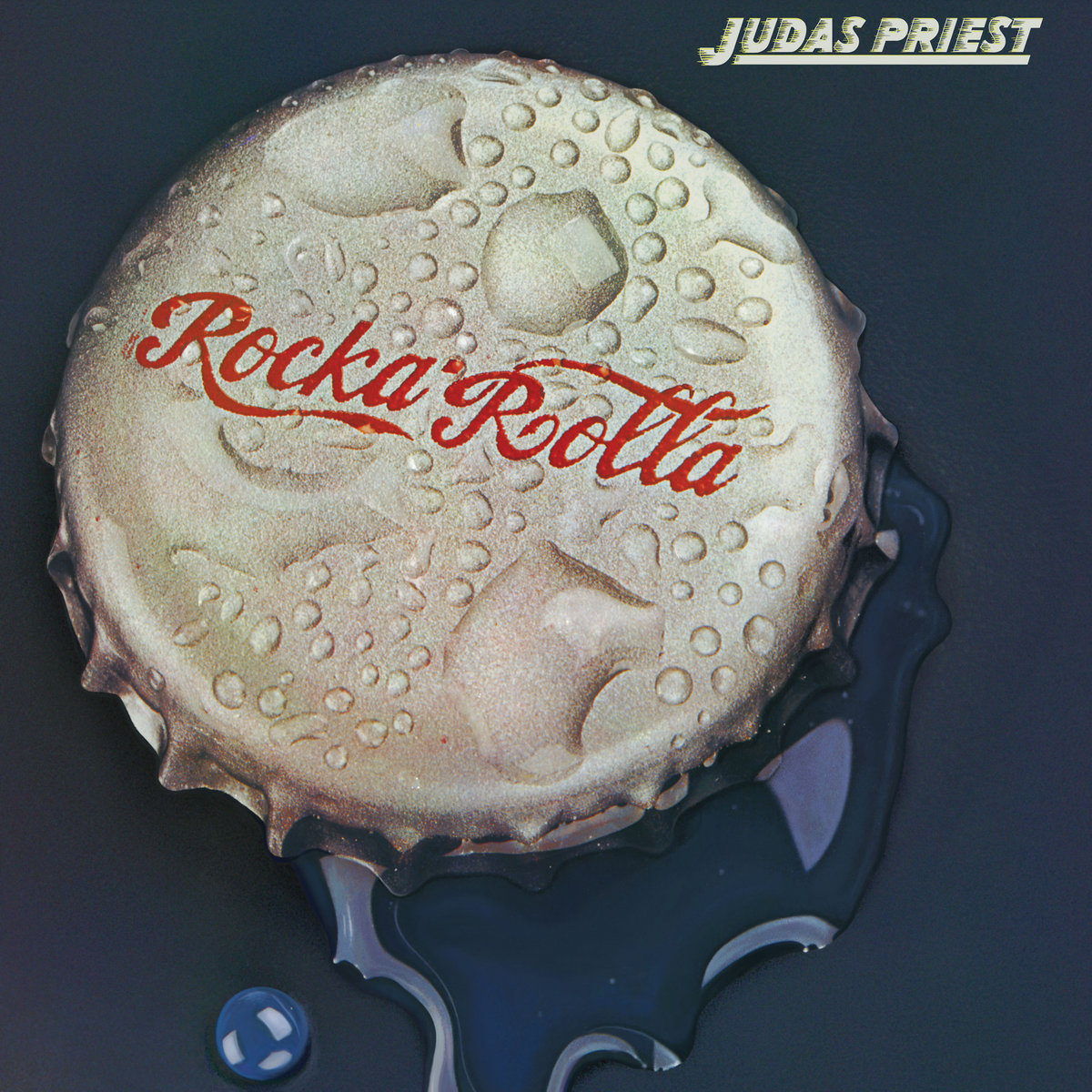
The international metal community's reverence for European legends reaches new heights as Accept receives an unprecedented tribute album featuring members of Metallica, Pantera, Ghost, and Judas Priest. This remarkable collaboration underscores Europe's foundational influence on global metal culture while highlighting the continent's unique position as both historical cornerstone and contemporary innovator.
German Metal Heritage Commands Global Respect
Accept's influence on the development of heavy metal cannot be overstated, and the upcoming tribute album demonstrates how German metal pioneers continue to inspire generations of musicians worldwide. The participation of established acts like Metallica and emerging voices represents a cross-generational acknowledgment of Accept's contributions to what many consider among the best heavy metal songs ever crafted.

This tribute culture reflects a broader European phenomenon where Continental bands have established themselves as foundational influences. From Germany's Accept to Sweden's melodic death metal innovations, European acts have consistently provided the blueprint for global metal evolution. The participation of Ghost members in this tribute particularly resonates, as the Swedish band represents contemporary European metal's theatrical sophistication.
The involvement of Scorpions, Anthrax, and Testament members further emphasizes how 80s metal bands created lasting legacies that transcend geographical boundaries. Accept's "Balls to the Wall" era defined much of what modern audiences recognize as classic heavy metal, establishing German precision and aggression as industry standards.
British Post-Hardcore Embraces Emotional Vulnerability
While international tributes celebrate European metal history, the UK's contemporary scene continues pushing artistic boundaries through emotional exploration. Static Dress represents a new generation of British post-hardcore artists willing to balance crushing heaviness with vulnerable introspection, as demonstrated by their latest single "...hospice."
This melodic and symbolic approach contrasts sharply with the band's typically punishing sound, showcasing the creative fearlessness that has long defined British extreme music. The willingness to explore softer dynamics while maintaining aggressive foundations demonstrates sophisticated songwriting that elevates UK post-hardcore beyond simple brutality.
Static Dress's evolution mirrors broader trends within European extreme music, where bands increasingly embrace emotional complexity over one-dimensional aggression. This approach has influenced various acts across the Continental scene, particularly those working within doom and sludge territories where atmospheric development serves artistic expression.
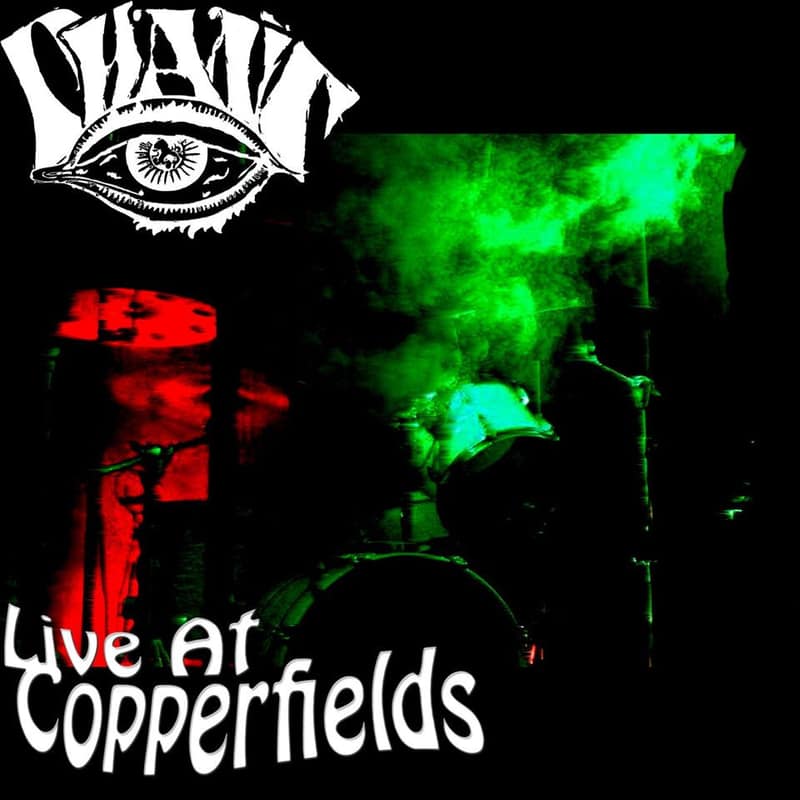
The connection between emotional vulnerability and crushing heaviness has deep roots in European metal, particularly within doom and sludge genres that prioritize atmosphere over simple aggression. Bands like Phant have long understood this balance, demonstrating how post-metal and sludge elements can convey profound emotional weight through sonic density rather than lyrical directness.
Punk Heritage Maintains Cultural Relevance
The announcement of The Damned's "Final Damnation 50" UK tour represents more than nostalgia—it demonstrates punk's enduring influence on European extreme music culture. Fifty years after igniting British punk's explosive emergence, The Damned's continued relevance speaks to punk's foundational role in shaping Continental metal attitudes toward authenticity and rebellion.
The Damned's longevity particularly resonates within European metal circles because punk's DIY ethos and political consciousness continue informing how Continental extreme music approaches artistic independence and cultural commentary. This influence extends far beyond historical curiosity, actively shaping how contemporary European bands approach creative control and fan engagement.
British punk's integration with metal sensibilities created the template for much of what audiences recognize as authentic extreme music. The Damned's theatrical elements and horror imagery directly influenced Gothic metal's development, while their aggressive approach helped establish punk-metal crossover as a legitimate artistic territory.
This punk foundation remains particularly relevant as new metal bands 2026 continue drawing inspiration from punk's rebellious spirit while incorporating modern production techniques. The balance between historical respect and contemporary innovation defines much of Europe's current extreme music landscape.
Cross-Cultural Collaborations Expand Artistic Boundaries
Recent collaborations between metal acts and unexpected partners demonstrate European influence extending into mainstream cultural spaces. The use of Slipknot's music in Gucci's latest short film represents high fashion's recognition of metal's cultural significance, while such partnerships indicate metal's growing acceptance within elite artistic circles.
These crossover moments particularly benefit European metal scenes because Continental acts often possess the cultural sophistication necessary for high-profile collaborations. European metal's integration with classical music traditions, theatrical performance, and visual arts creates natural bridges between extreme music and mainstream cultural institutions.
The European approach to metal as legitimate artistic expression rather than simple rebellion has enabled these cultural crossovers. When luxury brands or mainstream media seek metal partnerships, they frequently turn to European acts because of their reputation for artistic seriousness and professional presentation standards.
This cultural acceptance creates opportunities for European bands to reach audiences beyond traditional metal demographics, potentially inspiring broader cultural engagement with extreme music. Such developments particularly benefit atmospheric and progressive acts that emphasize artistic complexity over simple aggression.
Festival Culture Preserves and Promotes Heritage
European festival culture continues serving as the global metal community's primary venue for experiencing both legendary acts and emerging talent. The continent's festival infrastructure enables unique programming that balances historical reverence with contemporary innovation, creating environments where Accept tribute albums and Static Dress emotional explorations can coexist meaningfully.
The European metal scene benefits enormously from this festival ecosystem because it provides platforms for both established legends and developing artists to connect with international audiences. This infrastructure particularly advantages metal bands touring 2026, as European festivals offer prestigious showcases that can launch global careers.
Continental festivals' commitment to artistic diversity enables programming that spans from brutal death metal to atmospheric post-hardcore, creating educational opportunities for audiences to discover new subgenres and appreciate metal's full artistic spectrum. This diversity directly supports the development of bands working within specialized genres like doom, sludge, and progressive territories.
The economic stability of European festival culture also provides crucial financial support for touring acts, enabling international bands to sustain career momentum through Continental appearances. This infrastructure creates virtuous cycles where successful European tours enable further artistic development and more ambitious recording projects.
Industry Infrastructure Supports Artistic Development
Europe's comprehensive music industry infrastructure continues providing crucial support for extreme music development through specialized record labels, professional management companies, and technical production facilities. This ecosystem enables both tribute projects celebrating metal legends and innovative releases pushing genre boundaries.
The continent's production standards particularly benefit atmospheric and technical acts that require sophisticated recording approaches to capture their artistic visions effectively. European studios' expertise with extreme music genres enables bands to achieve professional results that compete internationally while maintaining artistic integrity.
Record label support for diverse extreme music styles enables European bands to explore creative territories that might be commercially risky in other markets. This artistic freedom contributes to Europe's reputation as extreme music's creative laboratory, where bands can develop unique sounds without excessive commercial pressure.
The interconnection between European metal infrastructure and global distribution networks ensures that Continental innovations reach international audiences efficiently. When European bands achieve creative breakthroughs, industry infrastructure enables rapid global dissemination that influences worldwide extreme music development.
As tribute albums celebrate European metal's historical contributions while contemporary acts like Static Dress push artistic boundaries, the continent's role as extreme music's cultural center becomes increasingly apparent. The balance between preserving metal heritage and encouraging innovation defines European metal's unique character, creating an environment where both legendary tributes and emotional post-hardcore explorations contribute to the scene's ongoing evolution.