Classic Heavy Metal Evolution Accelerates as Legendary Reunions Meet Progressive Innovation Across Continental Stages
The European metal landscape witnesses a fascinating convergence as classic 80s metal bands rediscover their collaborative roots while progressive innovators push technical boundaries across Continental venues. This cultural moment reflects metal's unique ability to honor its past while embracing artistic evolution.
Thrash Metal's Foundational Relationships Resurface
The recent live performance of classic thrash material highlights how European audiences continue to witness historic musical relationships unfold on stage. When legendary American thrash pioneers perform material with shared creative DNA, Continental metal fans experience firsthand the collaborative nature that defined the genre's formative years. These performances remind us that many of the best heavy metal songs emerged from complex creative partnerships that transcended individual band boundaries.
This collaborative spirit resonates strongly within Europe's thrash metal community. Acts like Toxic Poison and Shatterer continue building upon these foundational relationships, demonstrating how European thrash maintains both respect for classic songcraft and commitment to forward-thinking aggression. The Continental thrash scene has always understood that great metal emerges from creative tension rather than isolation.
Progressive Metal's Boundary-Breaking Innovations
While thrash legends revisit their collaborative past, progressive metal artists demonstrate remarkable technical ambition. Recent live performances of unreleased material show how new metal bands 2026 approach composition with unprecedented sophistication. These performances reveal complex song structures that challenge traditional metal formatting while maintaining emotional resonance.
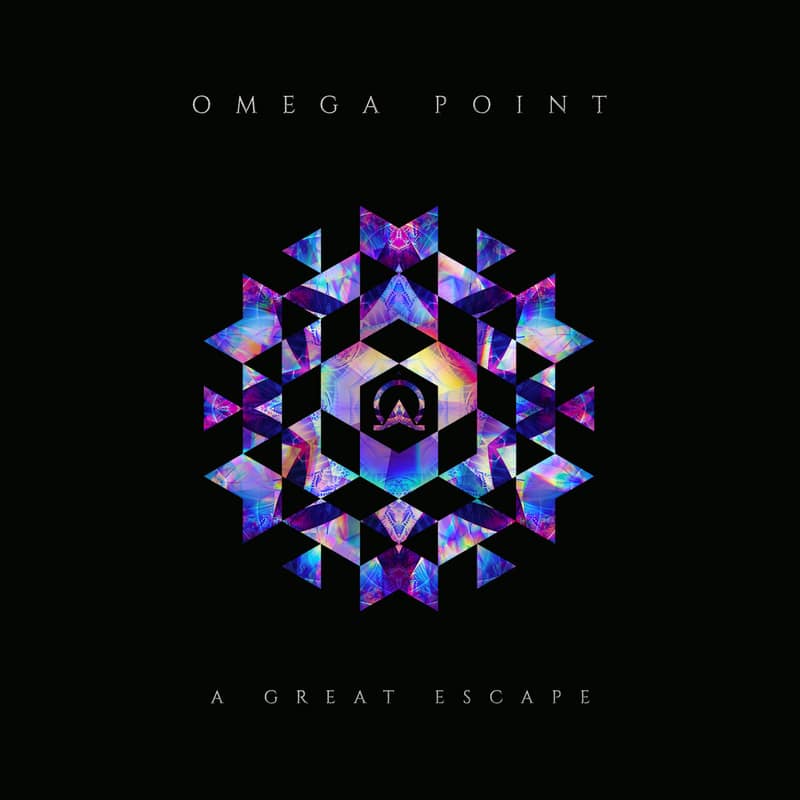
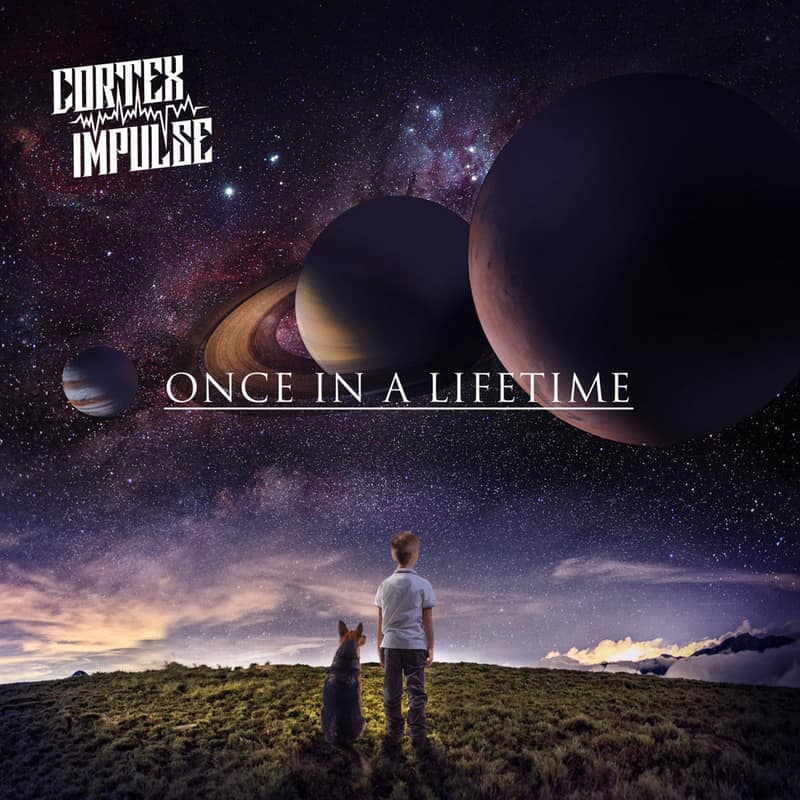
European progressive metal has long excelled at this balance between technical prowess and accessibility. Acts like Cortex Impulse and Omega Point exemplify how Continental artists integrate classical influences, jazz harmonies, and extreme metal aggression into cohesive artistic statements. This approach positions the European metal scene as a laboratory for genre evolution.
Death Metal's Artistic Renaissance
The announcement of new death metal releases demonstrates the genre's continued vitality and artistic growth. Contemporary death metal artists no longer content themselves with mere brutality—they craft conceptual frameworks that explore psychological and philosophical themes with remarkable depth. These artistic statements reflect death metal's maturation from subcultural rebellion to legitimate artistic expression.
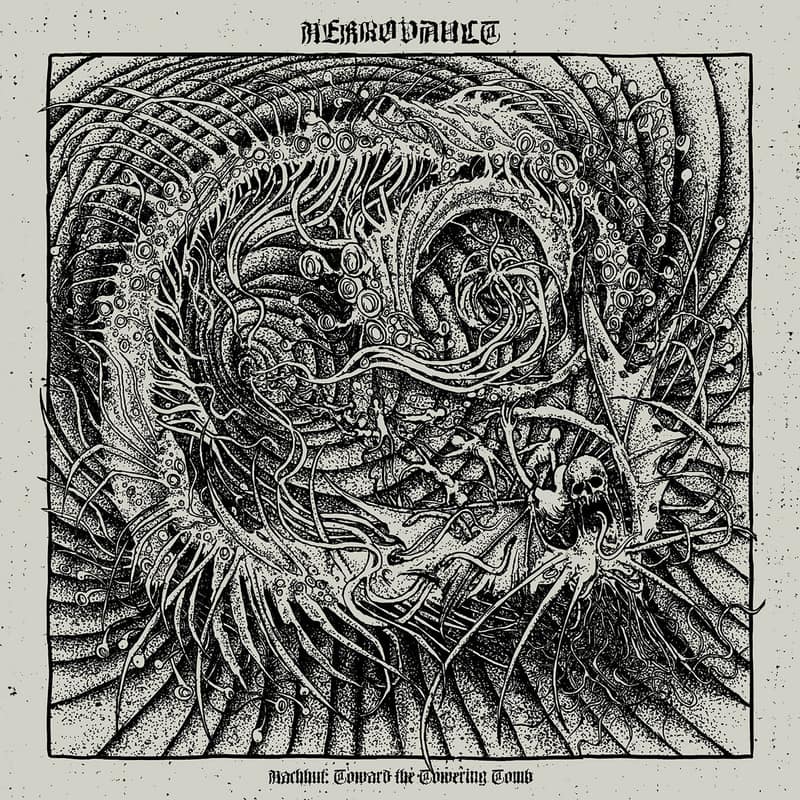
European death metal scenes have consistently championed this artistic approach. From Sweden's melodic innovations to Poland's technical virtuosity, Continental death metal artists understand that lasting impact requires both musical sophistication and emotional authenticity. Acts like Nekrovault and Defeated Sanity demonstrate how European death metal maintains brutal intensity while exploring complex thematic territory.
Heavy Metal's Institutional Legacy
Recent reflections on historic metal reunions reveal how certain performances achieve legendary status through their cultural impact rather than mere commercial success. These events demonstrate heavy metal's unique ability to create shared cultural memories that transcend individual fan experiences. When classic lineups reunite, they activate collective memories that bind metal communities together across generational and geographical boundaries.
European metal festivals have long understood this cultural dynamic. Continental festivals don't merely book popular acts—they curate experiences that honor metal's historical development while showcasing contemporary innovation. This curatorial approach positions Europe as metal's cultural center, where past and present engage in meaningful dialogue rather than simple nostalgia.
The Stoner Metal Connection
The resurgence of desert rock influences in contemporary metal reflects a broader trend toward atmospheric experimentation. When legendary alternative metal acts reunite with former members, they often rediscover the spacious, groove-oriented approaches that originally defined their sound. This reconnection with foundational elements demonstrates how metal's future often emerges from rediscovered past innovations.
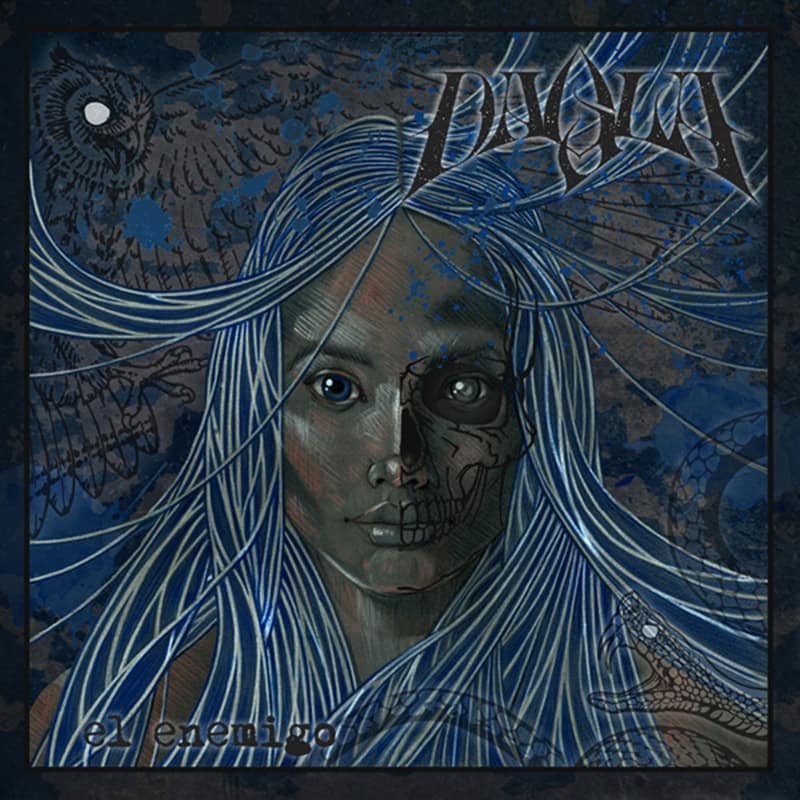
European stoner metal artists have consistently championed this archaeological approach to sound development. Acts like Scoville and Dagla excavate heavy music's historical layers while incorporating contemporary production techniques and compositional strategies. This approach creates music that feels both timeless and urgently contemporary.
Alternative Metal's Continuing Evolution
Recent announcements about future releases from established alternative metal acts demonstrate the genre's ongoing vitality. These artists understand that longevity requires constant reinvention while maintaining core identity elements that define their artistic voice. The balance between innovation and consistency challenges artists to grow without abandoning the qualities that originally attracted audiences.
European alternative metal artists face similar creative challenges, often with greater artistic freedom due to less commercial pressure. Continental scenes allow artists to experiment with unconventional approaches while maintaining career sustainability. This creative environment fosters innovation that often influences global metal development.
Looking Forward: Continental Metal's Strategic Position
As metal bands touring 2026 prepare their campaigns, European venues emerge as crucial proving grounds for both established legends and emerging innovators. Continental audiences bring sophisticated expectations that challenge artists to deliver both technical excellence and emotional authenticity. This demanding environment elevates performance standards across all metal subgenres.
The convergence of classic reunions and progressive innovation creates unique opportunities for cross-generational collaboration. Young European metal artists can learn directly from legendary performers while contributing fresh perspectives that push established acts toward new creative territories. This dynamic exchange ensures that European metal maintains both historical grounding and forward momentum.
European metal's institutional strength—through festivals, venues, media, and fan communities—provides stability that allows for meaningful artistic risk-taking. While American scenes often prioritize commercial viability, European contexts reward artistic integrity and long-term creative development. This supportive environment continues producing best metal bands that influence global heavy music culture.
The current moment demonstrates metal's remarkable capacity for simultaneous preservation and innovation. As legendary collaborations resurface and progressive boundaries expand, European metal scenes provide the cultural context necessary for these developments to achieve maximum impact. Continental metal culture's sophisticated understanding of genre history positions Europe as the ideal laboratory for metal's continued evolution.