Germany's Keep It True Festival Elevates International Metal Heritage as American Bands Chronicle Personal Struggles
The metal world continues to demonstrate its resilience through personal battles and artistic evolution, as evidenced by recent developments spanning from intimate personal struggles to major festival appearances. While American acts navigate health challenges and lineup changes, Germany's Keep It True festival has emerged as a crucial platform for preserving and celebrating international metal heritage.
Germany Becomes International Metal Sanctuary
Germany's Keep It True festival at Tauberfrankenhalle in Lauda-Königshofen has established itself as more than just another metal gathering—it's become a sanctuary for bands seeking to reconnect with their roots and deliver career-defining performances. The festival's recent hosting of both legendary Chicago doom pioneers Trouble and Australian thrash veterans Mortal Sin demonstrates how European venues are becoming essential pilgrimage sites for international metal acts.
Trouble's performance marked a significant moment for doom metal enthusiasts, as the band delivered what organizers described as an "old-school set" with heavy focus on their foundational material. This approach reflects a broader trend within the best metal bands of embracing their historical contributions rather than constantly pushing toward commercial modernization. The German audience's reception of this classic material underscores Europe's appreciation for metal's foundational elements.
The inclusion of Mortal Sin adds another layer to this narrative, as the Australian thrash metal pioneers hadn't performed live in over fourteen years before their recent comeback. Their appearance at Keep It True represents the festival's commitment to providing platforms for bands that might otherwise struggle to find appropriate venues for their return to active performance.
Personal Battles Shape Metal's Human Story
Beyond the festival stages, the metal community continues to grapple with deeply personal challenges that remind us of the human element behind the music. Great White's Mark Kendall has provided updates on his ongoing battle with stage four kidney cancer, expressing gratitude for his current condition while maintaining an optimistic outlook on his treatment progress. These personal struggles within the metal community highlight the genre's capacity for resilience and mutual support.
The openness with which metal musicians discuss their health challenges reflects the genre's authentic approach to confronting life's difficulties. Unlike other musical genres that might shy away from such topics, metal has always embraced the darker aspects of human experience, making these personal revelations feel natural rather than exploitative.
Lineup Changes Signal Genre Evolution
The announcement that future Godsmack music will proceed without all original members represents another significant shift in metal's established hierarchy. Sully Erna's confirmation that new material is planned, despite previous suggestions that their 2023 album "Lighting Up The Sky" might be their final release, demonstrates how best heavy metal songs often emerge from periods of transition and uncertainty.
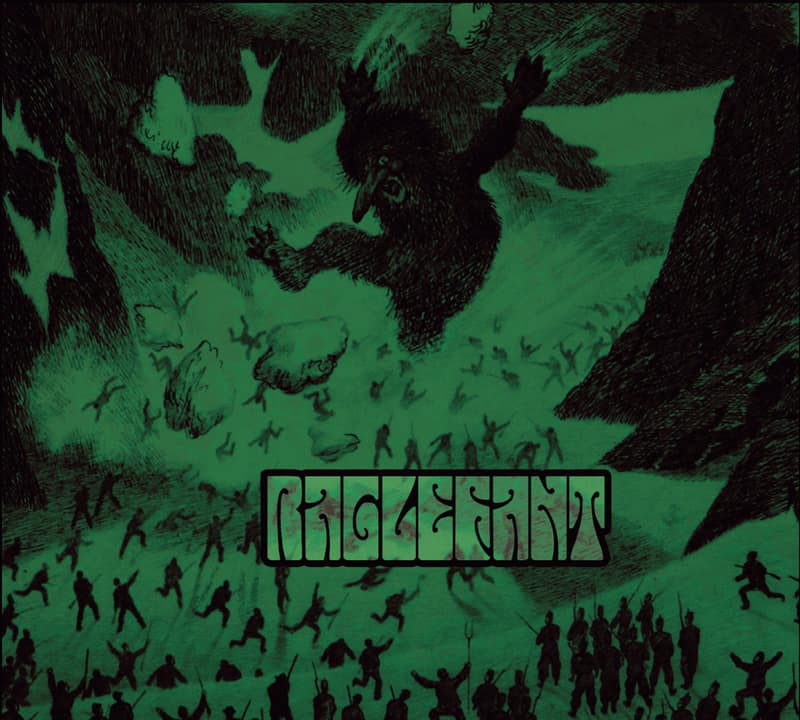
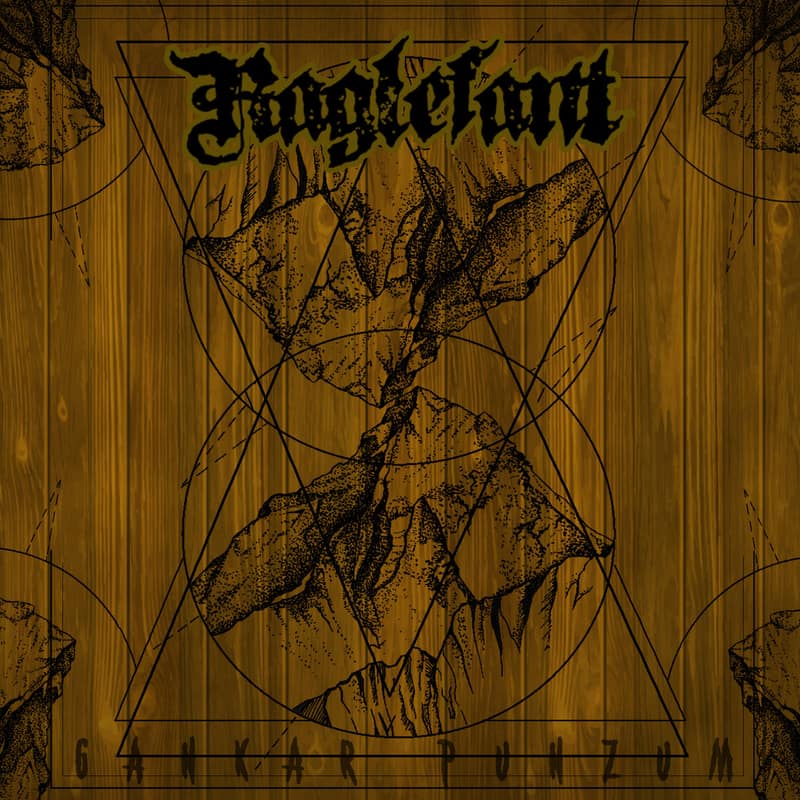
This pattern of evolution through lineup changes isn't unique to American acts. European metal scenes have long embraced the concept that bands can maintain their essential character while incorporating new musical perspectives. For European doom metal practitioners like Lord Sin and stoner metal acts such as Raglefant, these examples of established acts navigating change provide valuable insights into maintaining artistic integrity during transitional periods.
Stadium Tours Create New Performance Standards
The impact of major stadium tours continues to reverberate through the metal community, with Ice Nine Kills' Spencer Charnas recently reflecting on the transformative experience of touring with Metallica across multiple years. These large-scale collaborations create new performance standards and expectations that influence how younger bands approach their craft.
European venues benefit from these elevated standards, as bands arriving from major tours bring enhanced production values and performance techniques to Continental stages. This elevation effect helps explain why European metal scenes continue to attract international attention and why festivals like Keep It True can successfully present such diverse lineups.
Documentary Projects Expand Metal's Cultural Reach
The announcement of Blood Incantation's "All Gates Open" documentary project, complete with a 73-minute soundtrack, represents the growing sophistication of metal's multimedia approach. These expanded artistic projects demonstrate how contemporary metal acts are thinking beyond traditional album cycles and tour schedules.
European metal acts have particularly embraced this multimedia approach, with bands across various subgenres exploring documentary, visual, and conceptual projects that expand their artistic reach. This trend suggests that the most successful new metal bands 2026 will likely be those that can effectively integrate multiple artistic mediums into cohesive creative visions.
Live Performance Innovation Continues
Recent live performance developments, including Queens of the Stone Age's reunion with Nick Oliveri for the first performance of "Auto Pilot" in over a decade, demonstrate how established acts continue finding ways to surprise and engage their audiences. These special performance moments often become defining experiences for both artists and fans.
Bring Me The Horizon's live debut of "YOUtopia" similarly shows how contemporary metal acts are using live performance as a laboratory for testing new material and approaches. This experimental attitude toward live performance has long been a hallmark of European metal scenes, where audiences often welcome artistic risks and unconventional presentations.
Industry Accessibility Initiatives
Live Nation's announcement of thirty-dollar "Summer of Live" shows, featuring major acts like Iron Maiden, represents a significant development in concert accessibility. These pricing initiatives could dramatically expand metal's audience reach and provide opportunities for fans who might otherwise be priced out of major performances.
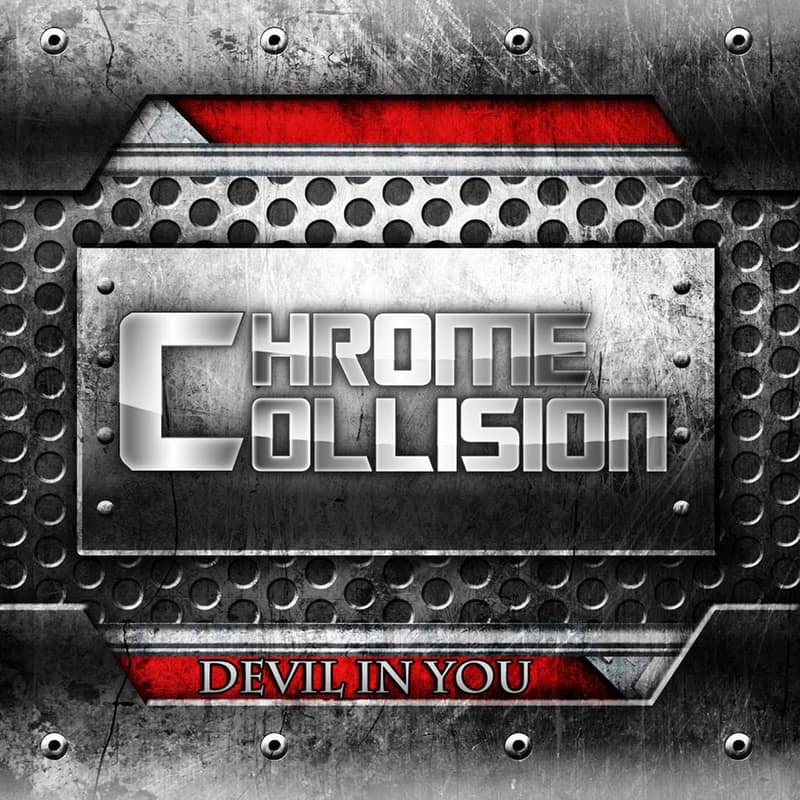
For European metal fans, these accessibility initiatives offer hope that similar programs might develop across Continental venues. The success of such programs could particularly benefit the thrash metal and heavy metal scenes, where acts like Chrome Collision and other emerging bands could gain exposure to broader audiences through affordable live experiences.
Looking Forward
As the European metal scene continues to evolve, the combination of international recognition, personal authenticity, and artistic innovation positions the continent as a crucial center for metal's continued development. The success of events like Keep It True, combined with the ongoing evolution of established acts and the emergence of new talent, suggests that Europe's role in global metal culture will only continue to expand.
The stories emerging from both personal struggles and artistic achievements remind us that metal's strength lies not just in its musical intensity, but in its capacity to provide community and support during challenging times. As we move deeper into 2026, these themes of resilience, evolution, and international collaboration seem likely to define metal's continued trajectory.