Venom's 45-Year Legacy Unites European Black Metal Legends as Neoclassical Masters Perfect Their Craft
The celebration of Venom's monumental 45th anniversary of "Welcome to Hell" at the 2026 Keep It True Festival represents more than just nostalgia—it's a testament to how European metal continues to honor its foundational roots while pushing creative boundaries. When founding members Mantas and Abaddon take the stage alongside luminaries like Tom Gabriel Fischer of Celtic Frost, Thomas "Angelripper" Such of Sodom, and Attila Csihar of Mayhem, they're not just performing songs; they're conducting a masterclass in the raw authenticity that made European extreme metal the global standard.
Neoclassical Precision Meets Extreme Metal Heritage
While Venom's progenitors prepare their anniversary celebration, Swedish guitar virtuoso Yngwie Malmsteen's completion of his new "very neoclassical" album demonstrates the sophisticated technical evolution that European metal has undergone since those early extreme metal days. The contrast is striking yet complementary—where Venom pioneered the brutal simplicity that birthed black metal, Malmsteen continues refining the neoclassical approach that has influenced countless European power and heavy metal acts.
This dual approach to European metal excellence—raw foundational power and technical sophistication—creates a unique cultural landscape that American acts consistently seek to access. The presence of international guests at Venom's anniversary show, including Nuclear Assault's Dan Lilker, underscores how European festivals have become essential pilgrimage sites for validating metal credibility.
Greek Guitar Mastery and International Collaborations
Greek guitarist Gus G's latest release "Steel Burner," featuring former Iced Earth vocalist Matt Barlow on "Dancing with Death," exemplifies the sophisticated international collaborations that European metal artists consistently orchestrate. After five years between solo offerings, Gus G's return demonstrates the patient artistry that distinguishes European metal from more commercially driven scenes elsewhere.
The collaboration between Greek technical prowess and American vocal power creates exactly the kind of transatlantic creative exchange that elevates European metal's global influence. These partnerships aren't arbitrary—they're strategic artistic choices that showcase how European musicians serve as cultural bridges, bringing together diverse metal traditions under Continental creative leadership.
The European Black Metal Foundation
The gathering of European black metal legends at Venom's anniversary celebration reveals the deep interconnectedness of Continental extreme metal scenes. When Schmier from Destruction, Piotr "Peter" Wiwczarek from Vader, and Attila Csihar from Mayhem share the same stage, they're representing decades of European black metal evolution that traces directly back to Venom's pioneering work.
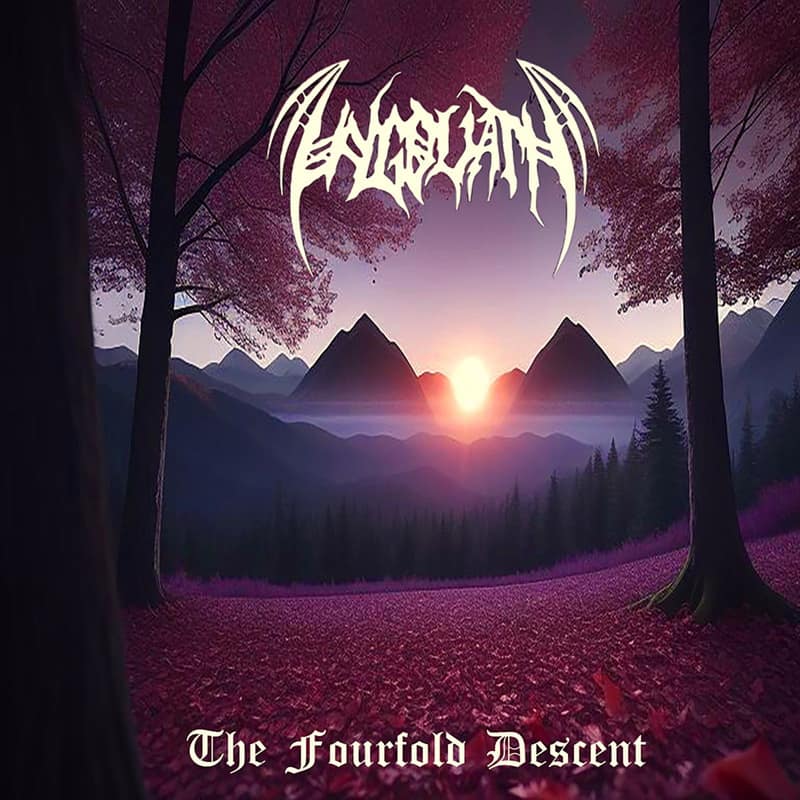
This isn't merely ceremonial—it's educational. Younger European bands across the black metal spectrum, from atmospheric innovators to raw purists, can witness firsthand how their genre's foundational elements were forged. The influence ripples through contemporary European scenes, where bands like Bloody Corpse and Ungoliath continue building upon these established foundations with their own raw black metal interpretations.
Technical Evolution and Cultural Continuity
The announcement that Yngwie Malmsteen's new material will be "very neoclassical" signals a return to the technical precision that has long distinguished European heavy metal from other regional approaches. This focus on classical integration and theoretical sophistication represents the educational advantage that European metal musicians often possess—access to centuries of classical music tradition combined with comprehensive musical education systems.
This technical foundation creates a unique creative environment where bands can explore complex compositional approaches while maintaining the raw power that defines heavy metal. The result is a distinctly European sound that balances intellectual complexity with emotional intensity, something that international acts recognize and seek to access through European collaborations and tour stops.
Festival Culture as Cultural Preservation
The Keep It True Festival's role in hosting Venom's anniversary celebration demonstrates how European festivals function as cultural preservation institutions. These events don't just book popular acts—they curate historically significant experiences that educate attendees about metal's evolutionary timeline while providing platforms for legendary reunions and collaborations that would be impossible elsewhere.
European festival culture's emphasis on musical education and historical context creates an environment where both veteran artists and emerging acts can thrive. When Tom Gabriel Fischer shares a stage with younger musicians, the knowledge transfer is immediate and tangible. This educational aspect of European metal culture ensures continuity while encouraging innovation.
The Continuing International Appeal
The international participation in Venom's anniversary celebration, combined with the ongoing collaborative projects like Gus G's work with Matt Barlow, reveals how European metal scenes continue attracting global talent seeking authentic creative environments. The Continent's combination of historical significance, technical sophistication, and cultural support for extreme music creates an irresistible draw for serious metal musicians.
This appeal extends beyond individual artists to entire touring strategies. American and other international acts increasingly structure their careers around European validation, recognizing that Continental audiences and industry infrastructure provide the credibility and cultural context necessary for long-term artistic success.
Looking Forward Through Historical Foundations
As European metal enters 2026, the simultaneous celebration of Venom's 45-year legacy and the creation of new neoclassical material by artists like Yngwie Malmsteen demonstrates the scene's unique ability to honor its past while pushing creative boundaries. This balance between tradition and innovation remains distinctly European, rooted in cultural systems that value both historical knowledge and artistic experimentation.
The convergence of extreme metal pioneers and technical virtuosos at European events creates educational opportunities that benefit the entire global metal community. When legendary artists gather to celebrate foundational works, they're not just performing—they're conducting masterclasses in the authenticity and artistic integrity that continue to define European metal's global influence.
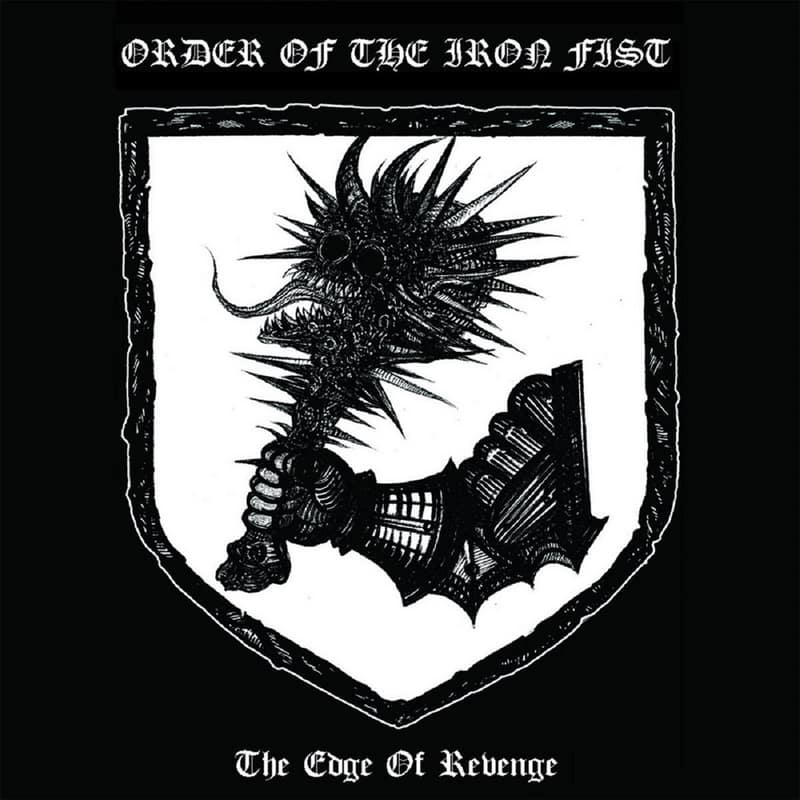
For emerging European acts across all subgenres, from the heavy metal foundations that bands like Ryal explore to the extreme territories that groups like Order of the Iron Fist navigate, these celebrations provide both inspiration and instruction in maintaining the high artistic standards that keep European metal at the forefront of global extreme music culture.