Best Crust Punk Bands in Europe: Raw Foundation Endures as Major Metal Acts Celebrate Musical Heritage

While legendary American acts commemorate milestone anniversaries and European venues host major anniversary celebrations, the Continent's crust punk underground continues to provide the raw foundation that keeps metal authentic. As Slayer adds additional dates for their Reign in Blood celebrations and the Ramones prepare year-long anniversary events, Europe's most uncompromising subgenre demonstrates why authenticity matters more than commercial recognition.
The Unvarnished Truth: Why Crust Punk Matters
Crust punk emerged in the mid-1980s as a fusion of hardcore punk's political urgency and extreme metal's sonic brutality. Unlike the polished productions and nostalgic celebrations dominating current headlines, crust punk remains deliberately raw, politically engaged, and aesthetically uncompromising. European scenes from London to Warsaw have nurtured this movement's most authentic expressions, creating networks of venues, labels, and communities that prioritize substance over spectacle.

The genre's European development paralleled the rise of extreme metal, sharing similar DIY ethics and underground distribution networks. While major acts plan elaborate anniversary tours, crust punk bands maintain the original punk ethos: music as immediate expression rather than calculated nostalgia.
London's Foundational Legacy
London's crust punk scene emerged from the ashes of the early punk movement, incorporating the speed and aggression that would later influence extreme metal's development. Bands like Amebix and Antisect created templates that European acts continue to follow, emphasizing political consciousness alongside sonic extremity.
The city's network of squat venues and independent labels fostered a community that valued authenticity over commercial success. This infrastructure continues supporting both established acts and emerging bands, creating pathways for artistic development without mainstream compromise. London's approach contrasts sharply with anniversary-focused celebrations, instead prioritizing ongoing creative evolution.
Contemporary London crust punk maintains these principles while incorporating influences from black metal and doom, creating hybrid sounds that push boundaries without abandoning core principles. Local venues continue hosting international acts while supporting domestic talent, maintaining the reciprocal relationships that define authentic underground scenes.
Warsaw's Rising Prominence
Warsaw has emerged as a crucial hub for European crust punk, combining political urgency with technical sophistication. The city's venues host both local acts and international touring bands, creating cultural exchanges that strengthen Continental networks. Polish bands incorporate regional history and social concerns into their lyrics, adding depth to the genre's traditional themes.
The Warsaw scene's growth reflects broader Eastern European metal expansion, with crust punk serving as entry point for more extreme sounds. Local promoters organize festivals and tours that connect Polish bands with wider European networks, building relationships that transcend national boundaries.
Warsaw's development demonstrates crust punk's ability to adapt to different cultural contexts while maintaining core principles. The city's bands combine traditional crust elements with regional influences, creating unique sounds that contribute to the genre's ongoing evolution.
Essential Continental Acts
Europe's crust punk landscape includes numerous bands that exemplify the genre's highest qualities. These acts demonstrate technical proficiency while maintaining raw authenticity, political engagement alongside musical sophistication. Their approaches vary significantly, from atmospheric incorporation of doom elements to crossover experiments with grindcore and death metal.
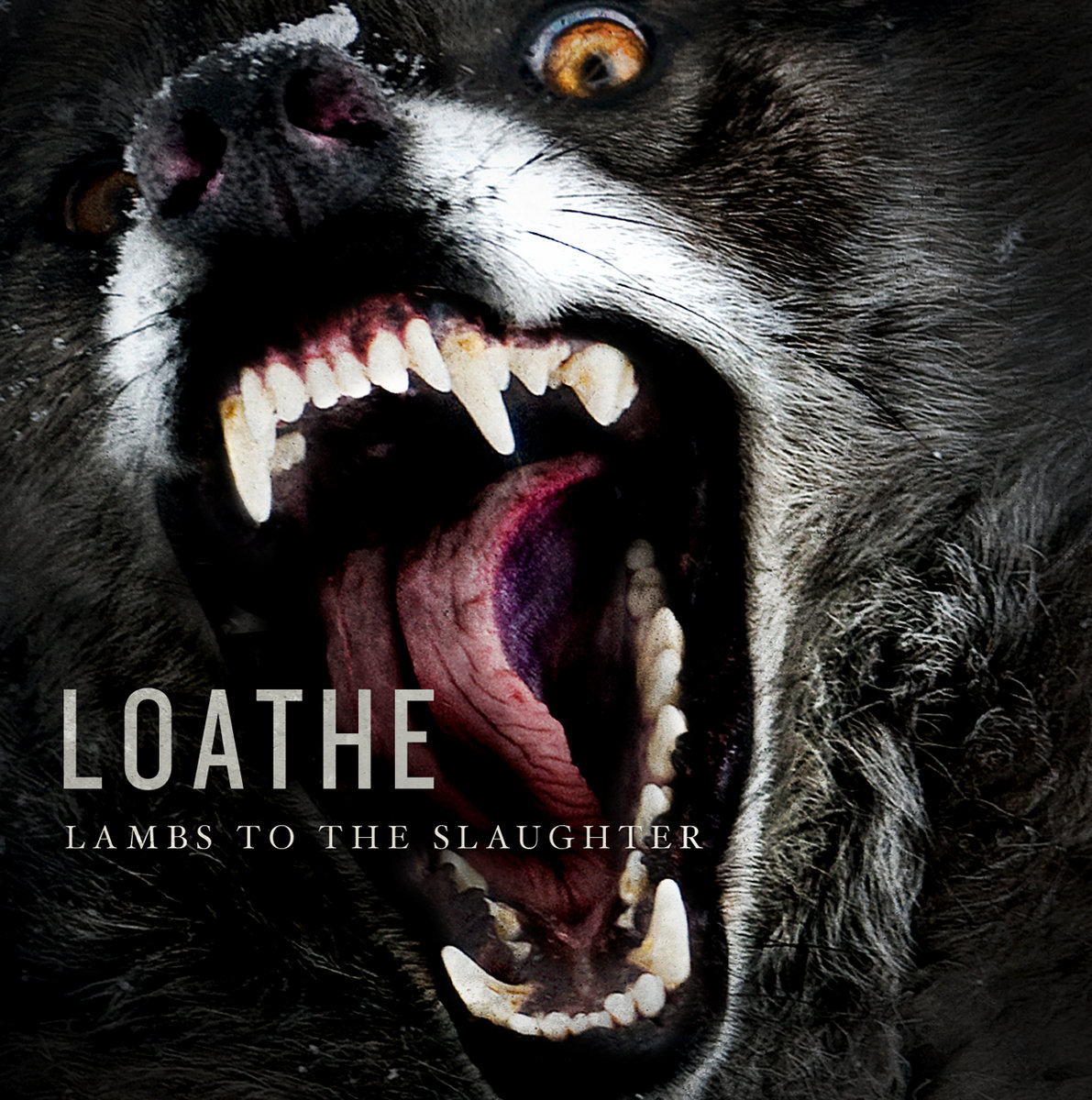
Loathe represents the crossover potential between crust punk and death metal, incorporating technical elements without sacrificing emotional impact. Their approach demonstrates how Continental bands maintain underground credibility while pushing sonic boundaries.
The European approach emphasizes community building over individual success, creating networks that support artistic development rather than commercial exploitation. This philosophy contrasts with anniversary-focused celebrations, instead prioritizing ongoing creative partnerships and collaborative projects.
Cultural Impact Beyond Music
European crust punk's influence extends beyond musical boundaries, affecting visual arts, political activism, and community organizing. The movement's DIY ethics inspire independent venues, alternative media, and grassroots political organizations throughout the Continent. This broader impact demonstrates how authentic underground movements create lasting cultural change.

The scene's political engagement remains crucial to its identity, addressing issues from environmental destruction to social inequality. European bands incorporate local concerns into broader critiques of global capitalism, creating music that functions as both artistic expression and political action. This approach contrasts with nostalgia-focused celebrations, instead emphasizing present realities and future possibilities.
Continental crust punk's visual aesthetics influence fashion, graphic design, and street art across Europe. The movement's commitment to authenticity creates alternative cultural spaces that resist commercial co-option, maintaining independence through collective action rather than individual success.
Technical Evolution and Artistic Integrity
Modern European crust punk demonstrates sophisticated musicianship while maintaining raw emotional impact. Bands incorporate elements from doom metal, black metal, and grindcore without losing essential characteristics. This evolution reflects broader extreme metal developments while preserving unique identity.
Production approaches vary significantly, from deliberately lo-fi recordings that emphasize authenticity to more polished sounds that highlight technical capabilities. European bands experiment with different approaches while maintaining core principles, creating diverse expressions within consistent philosophical frameworks.
The genre's relationship with extreme metal continues evolving, as bands like E.V.A. demonstrate crossover potential between crust punk, death metal, and grindcore. These experiments expand possibilities while respecting traditional boundaries, creating new sounds that honor established foundations.
Underground Infrastructure and Future Prospects
Europe's crust punk infrastructure includes specialized venues, independent labels, and alternative media that support the scene's continued development. This network operates independently from mainstream music industry systems, creating alternatives that prioritize artistic integrity over commercial success.
Regional festivals and touring circuits connect bands across national boundaries, creating Continental communities that transcend political divisions. These relationships strengthen through mutual support rather than competitive rivalry, building sustainable foundations for long-term growth.
The future of European crust punk depends on maintaining core principles while adapting to changing circumstances. New bands continue emerging from Continental scenes, incorporating contemporary influences while respecting established traditions. This balance between innovation and authenticity ensures continued relevance without compromising essential characteristics.
As major acts celebrate past achievements through elaborate anniversary tours, Europe's crust punk underground demonstrates alternative approaches to musical legacy. Rather than nostalgic commemoration, the movement emphasizes ongoing creation, community building, and political engagement. This philosophy creates lasting impact through sustained commitment rather than momentary celebration, ensuring continued relevance for future generations of musicians and activists seeking authentic expression in an increasingly commercialized culture.