Best Crust Punk Bands In European Underground as Progressive Metal Sophistication Meets Classical Orchestration

Europe's crust punk underground continues to thrive beneath the surface while the continent's most sophisticated metal acts reach unprecedented artistic heights. As Finnish progressive metal pioneers Amorphis prepare their festival circuit domination and classical institutions embrace extreme metal, the European scene demonstrates its unique ability to nurture both raw underground authenticity and orchestral sophistication simultaneously.
Finnish Progressive Masters Lead Festival Preparation
The release of Amorphis' latest live performance video for "The Lantern" signals the band's strategic preparation for what promises to be a commanding festival season across Europe. With their album "Borderland" now available, the Finnish legends continue to demonstrate why they remain essential voices in European progressive metal evolution. Their approach to blending death metal foundations with progressive sophistication creates a template that influences countless Continental acts.
This festival preparation represents more than simple touring logistics—it showcases how established European acts maintain relevance while newer underground movements like crust punk develop their own distinct Continental identity. The contrast between Amorphis' polished progressive approach and the raw intensity of Europe's crust punk scenes creates a fascinating spectrum of heavy music authenticity.
Underground Crust Punk Authenticity Across Continental Scenes
When examining the best crust punk bands in European underground circuits, several regional scenes emerge as particularly vital. London's metal scene has historically nurtured some of the most influential crust punk acts, with venues across the city providing essential platforms for bands that blend hardcore punk aggression with metal's technical foundations. The London crust punk movement draws from the city's rich punk heritage while incorporating the sophisticated musical approaches that define modern European extreme music.
Warsaw's metal scene offers a different perspective on crust punk development, with Polish acts incorporating Eastern European folk influences and post-communist political themes into traditional crust frameworks. The Warsaw underground demonstrates how regional historical experiences shape musical expression, creating crust punk variants that reflect specific cultural contexts while maintaining the genre's core rebellious spirit.
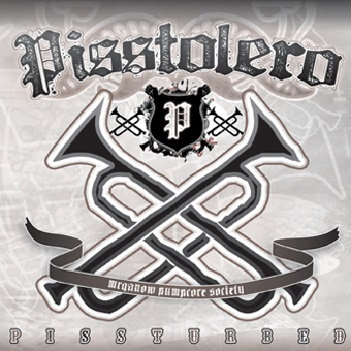
The best crust punk bands across Europe share certain characteristics that distinguish Continental acts from their American or British counterparts. European crust punk tends toward more complex song structures, incorporating elements from the continent's rich extreme metal traditions. Bands like Pisstolero represent this approach, where grindcore intensity meets punk directness in ways that feel distinctly European.
Classical Music Embraces Extreme Metal Heritage
The announcement that Gothenburg Symphony Orchestra will perform material from At The Gates, Dark Tranquillity, and In Flames represents a watershed moment for European metal's cultural recognition. This classical tribute to Swedish melodic death metal pioneers demonstrates how Continental institutions increasingly view extreme music as legitimate artistic expression worthy of orchestral interpretation.
This development creates interesting parallels with how crust punk bands approach musical complexity. While orchestral metal represents extreme sophistication, crust punk strips music down to essential emotional components. Both approaches reflect European metal's breadth—from symphony halls to underground clubs, the continent supports diverse expressions of heavy music culture.
Symphonic Metal Collaborations Push Artistic Boundaries
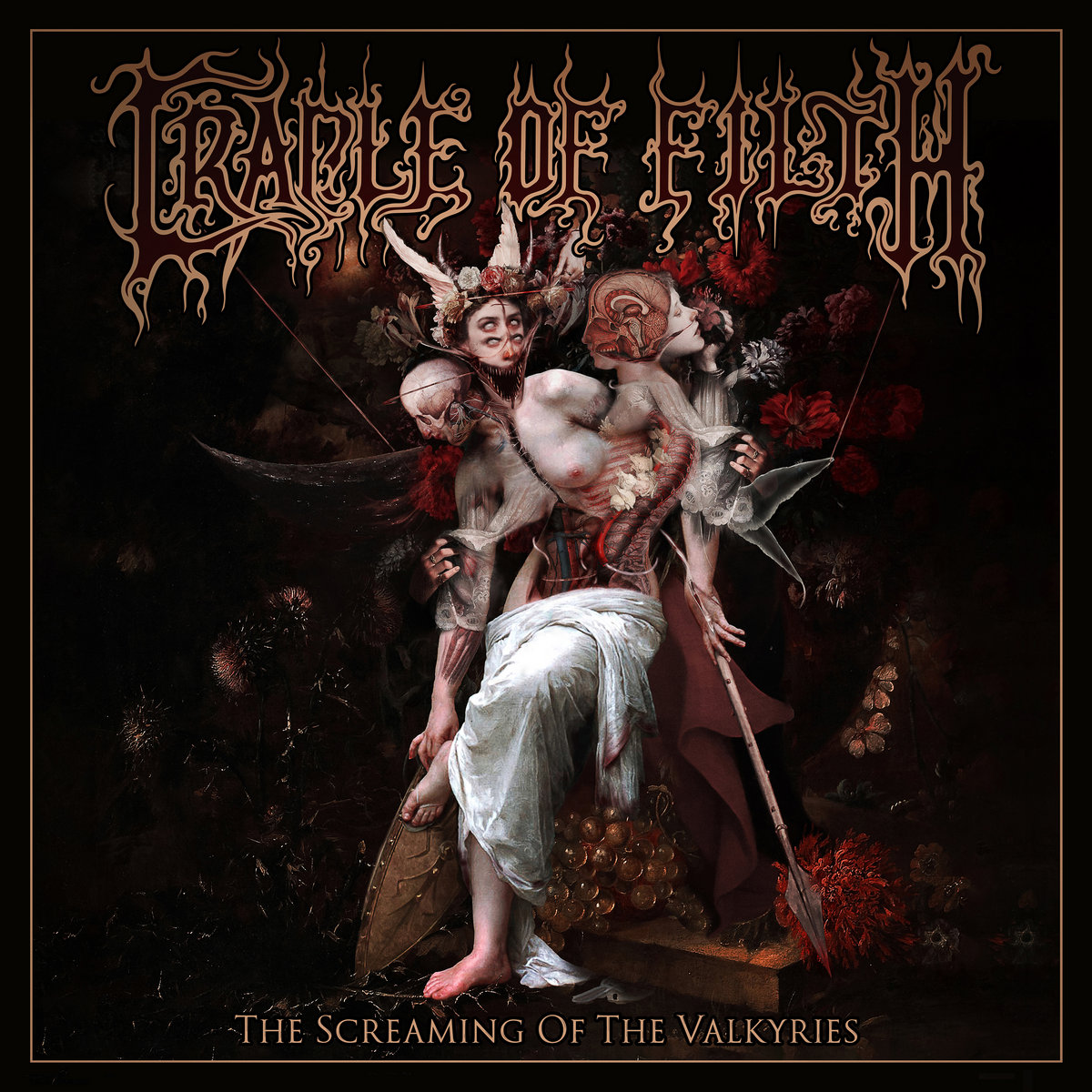
Tarja Turunen's collaboration with Cradle of Filth's Dani Filth on "I Don't Care" showcases another dimension of European metal sophistication. This partnership between Finland's most recognizable symphonic metal voice and British extreme metal's theatrical pioneer creates artistic connections that transcend national boundaries while remaining distinctly European in sensibility.
Such collaborations influence underground scenes including crust punk, where Continental acts increasingly experiment with unexpected musical partnerships. The European approach to genre-blending—whether at symphonic metal's heights or crust punk's underground depths—reflects a cultural sophistication that American scenes often lack.
Regional Scene Development and Festival Culture
Finland's Amberian Dawn exploring "The Vision of Dreaming" on their upcoming June release demonstrates how European metal acts maintain consistent creative output across multiple genres simultaneously. While symphonic metal bands like Amberian Dawn develop elaborate conceptual frameworks, crust punk acts work within punk's immediacy constraints, yet both benefit from Europe's robust festival culture and venue infrastructure.
The European festival circuit provides essential platforms for both established acts like Amorphis and underground crust punk bands seeking broader audiences. This infrastructure supports musical diversity in ways that purely commercial markets cannot, allowing experimental and extreme acts to develop sustainable careers within Continental heavy music culture.
Sludge and Doom Metal Connections
The release of Monolord's crushing "Oozing Wound" ahead of their "Neverending" album demonstrates how European extreme music encompasses multiple approaches to heaviness. While Monolord represents Swedish sludge metal's atmospheric approach, crust punk bands like Double Space explore similar territories through different methodologies, creating doom and stoner metal variations that share punk's direct emotional impact.
These genre connections illustrate why Europe produces such diverse crust punk expressions. Continental scenes allow bands to incorporate influences from doom metal, black metal, and progressive music while maintaining punk's essential rebellious core. This cross-pollination creates crust punk variants that feel uniquely European.
Future Developments and Underground Sustainability
As major acts like Judas Priest plan career-spanning compilations and legacy tours focusing on classic albums, European underground scenes including crust punk benefit from increased attention to heavy music's historical importance. When mainstream metal receives cultural validation, underground scenes gain legitimacy and resources necessary for long-term sustainability.
The European approach to nurturing both commercial success and underground authenticity creates environments where crust punk bands can develop without compromising artistic vision. From London's historic venues to Warsaw's underground clubs, Continental infrastructure supports diverse heavy music expressions that American scenes often struggle to maintain.
European metal's current moment—encompassing symphonic sophistication, progressive complexity, and underground authenticity—demonstrates why the continent remains heavy music's most vital region. Whether through Amorphis' festival preparation, orchestral extreme metal tributes, or crust punk's continued underground evolution, Europe provides models for how heavy music culture can thrive across multiple artistic and commercial contexts.
The best crust punk bands in European scenes continue developing within this broader cultural framework, benefiting from Continental support for musical diversity while maintaining punk's essential rebellious spirit. This balance between authenticity and opportunity defines why European metal scenes consistently produce artists who influence global heavy music development.