Thrash Revival Sparks Cultural Debates as Political Divisions Fragment European Metal Community
The European thrash metal revival faces an unexpected cultural crossroads as political controversies fracture established bands while legendary acts like Acid Reign prepare triumphant returns. Recent developments reveal how ideological divisions now threaten decades-old metal partnerships, even as the genre's musical foundations remain stronger than ever.
Political Purges Fragment Established Metal Acts
The departure of longtime Vicious Rumors drummer Larry Howe over what he describes as "cancel culture" targeting his political views has sent shockwaves through the European metal festival circuit. Howe's accusations that the music industry is "saturated with leftist ideologies" highlight growing tensions between traditional metal values and contemporary cultural expectations.
This fracture reveals deeper questions about artistic freedom within Europe's increasingly diverse metal community. As promoters across Germany, Netherlands, and the UK navigate booking decisions, the Howe controversy demonstrates how political considerations now influence band lineups at major festivals. The impact extends beyond individual acts—entire tour packages face scrutiny when band members' personal beliefs clash with venue policies or audience expectations.
European metal venues, particularly those receiving cultural funding, must balance artistic expression with community standards. The situation parallels challenges facing established acts like Exorcist and other veteran thrash bands as they navigate modern booking requirements while maintaining their original artistic vision.
Acid Reign's Return Signals British Thrash Renaissance
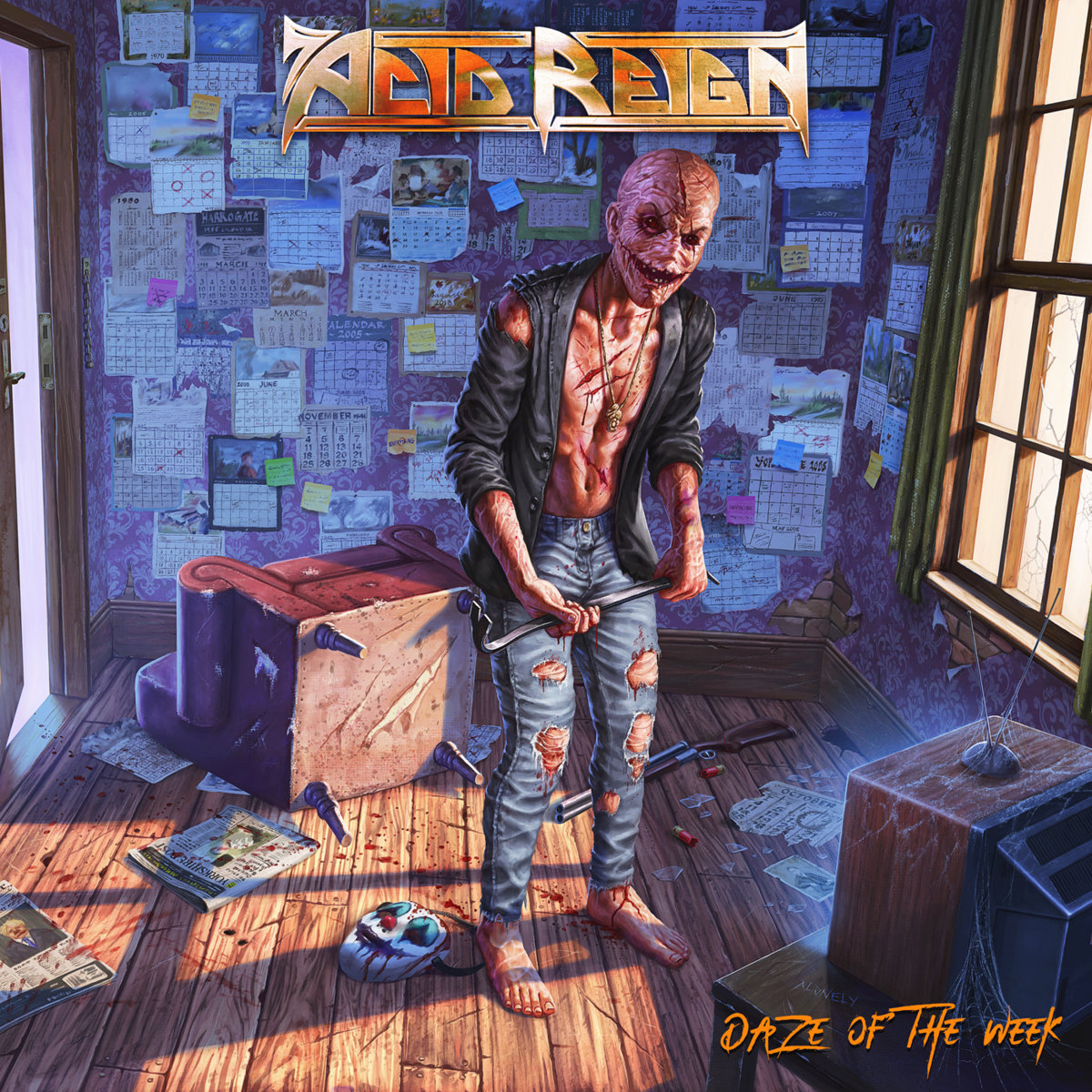
Amidst these cultural tensions, UK thrash veterans Acid Reign offer a masterclass in band evolution with their upcoming "Daze Of The Week" album. The band's first release since 2019's "The Age Of Entitlement" arrives at a crucial moment for British metal, as the scene seeks to reclaim its position among Europe's premier heavy music destinations.
The lead single "Fantastic Passion" showcases Acid Reign's refined approach to classic thrash elements while addressing contemporary themes. This strategic positioning allows the band to honor its 80s metal bands heritage while remaining relevant to modern audiences—a balance many veteran acts struggle to achieve.
Acid Reign's return coincides with renewed interest in British thrash across European festivals. German and Dutch promoters increasingly seek authentic UK acts to balance American headliners, recognizing that European audiences crave homegrown metal authenticity. This trend benefits other British extreme acts, potentially creating opportunities for rising bands in similar genres.
American Tours Flood European Markets
The massive influx of American metal tours continues reshaping Europe's concert landscape, with technical death metal masters Archspire leading a Canadian assault alongside Crown Magnetar, The Zenith Passage, and Analepsy. This tour represents the increasingly sophisticated packages that metal bands touring 2026 must assemble to justify Continental expenses.
Meanwhile, Abigail Williams' European black metal tour with Shagor demonstrates how American extreme metal acts view European validation as essential for credibility. The strategic pairing of established American black metal with rising European talent reflects industry recognition that Continental audiences demand authenticity over mere spectacle.
These touring patterns create complex dynamics for European acts. While international tours bring global exposure to local venues, they also consume booking slots that might otherwise support regional bands. Death metal acts like Orki must compete for attention in an increasingly crowded marketplace where American production budgets often overshadow European artistic innovation.
Festival Circuits Reshape Regional Metal Geography
Finland's Amorphis continues leveraging their European festival dominance, releasing live footage of "The Lantern" ahead of summer appearances. Their strategic use of live content demonstrates how established European acts maintain relevance in an oversaturated digital environment. This approach influences other Nordic metal acts seeking similar festival positioning.
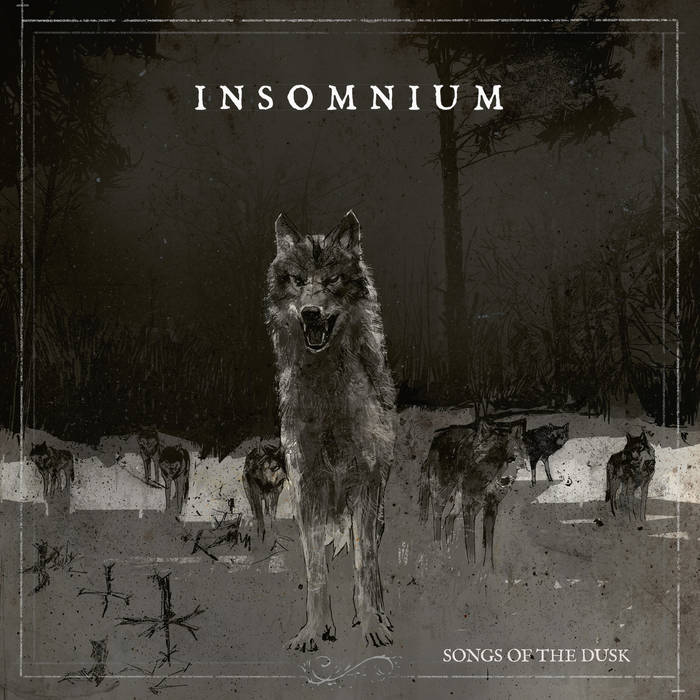
The Finnish band's success model—combining heritage appeal with contemporary production values—offers a blueprint for other European metal veterans. Acts like Insomnium and similar melodic death metal pioneers can observe how Amorphis balances nostalgia with innovation to secure premium festival slots.
European festivals increasingly demand multimedia packages from headliners, forcing bands to invest in professional video content and social media strategies. This requirement particularly challenges underground acts that built reputations on pure musical merit rather than digital marketing sophistication.
Legacy Acts Navigate Modern Industry Demands
Former Queensrÿche vocalist Geoff Tate's Budapest performance at A38 Hajó illustrates how metal legends adapt to European touring circuits. The venue's reputation for hosting significant metal events makes it a crucial stop for American acts seeking Continental validation. Tate's setlist, heavily featuring Queensrÿche classics, reflects audience expectations for authentic performances of best heavy metal songs from metal's golden era.
This legacy touring model influences younger acts' career strategies. European venues like A38 Hajó serve as proving grounds where established artists demonstrate continued relevance while emerging bands seek association with metal history. The venue's location in Eastern Europe also represents the expanding geography of metal's cultural significance beyond traditional Western European strongholds.
Underground Scenes Resist Commercial Pressures
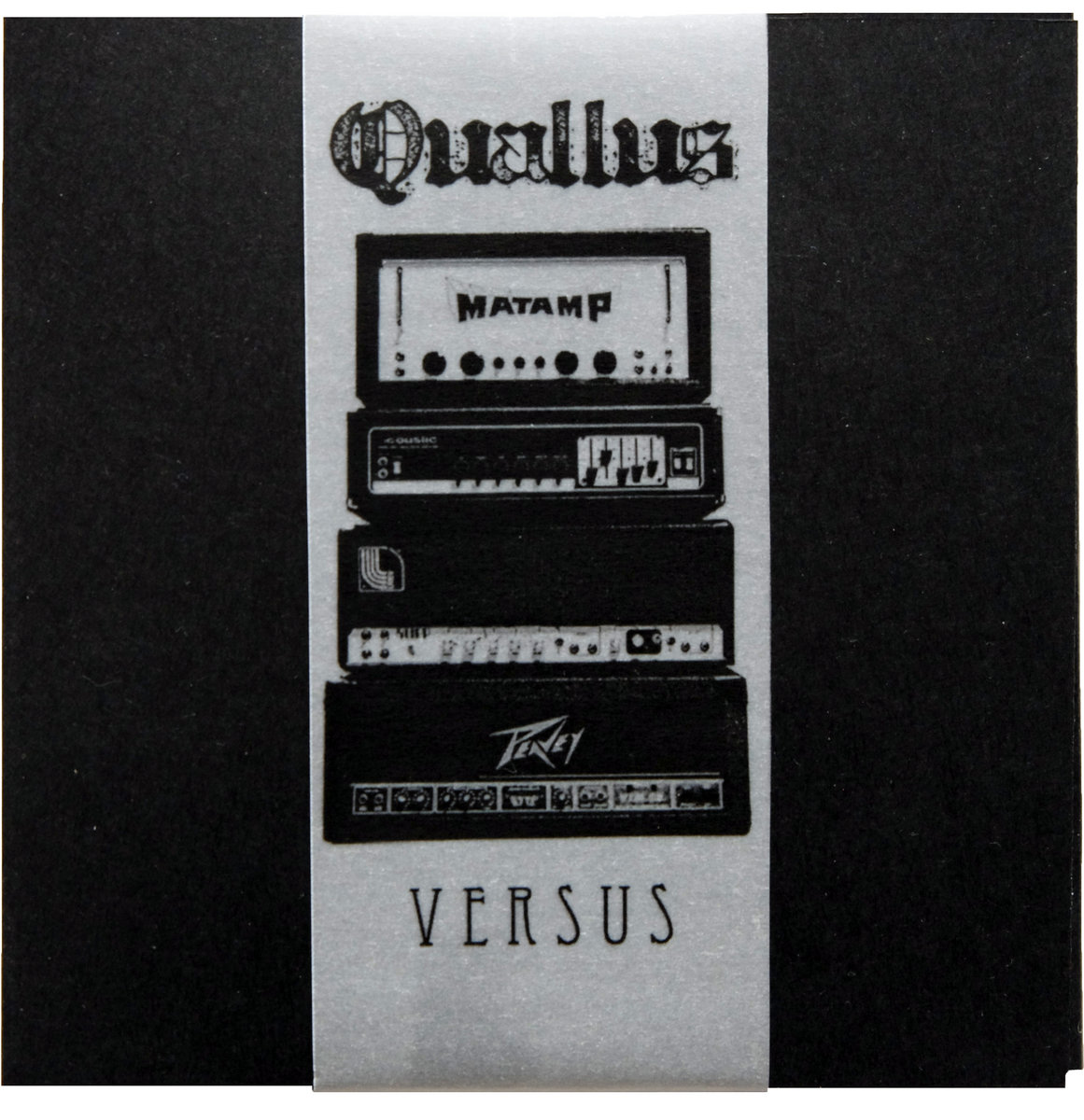
Despite mainstream metal's increasing commercialization, European underground scenes maintain their commitment to artistic authenticity. Doom and sludge metal communities, represented by acts like Quallus and other regional pioneers, continue prioritizing musical innovation over commercial appeal.
These underground networks create alternative touring circuits where political controversies matter less than musical integrity. Venues across Poland, Czech Republic, and Hungary host extreme metal acts regardless of ideological considerations, focusing primarily on sonic authenticity. This approach preserves metal's rebellious spirit while mainstream scenes navigate cultural sensitivities.
The survival of these underground networks ensures European metal's continued diversity. As major festivals become increasingly corporate, smaller venues and regional promoters maintain spaces where experimental and extreme acts can develop without commercial constraints.
Future Directions for European Metal
Current industry developments suggest European metal faces a critical transition period. Political divisions threaten established relationships, while American tour dominance challenges regional artistic independence. However, the continued strength of acts like Acid Reign and Amorphis demonstrates that authentic European metal maintains its appeal regardless of external pressures.
The key lies in European scenes' ability to balance tradition with evolution. Venues must support both heritage acts and emerging talent while navigating cultural sensitivities. Bands need strategies that honor their artistic vision while meeting modern industry demands.
Success will likely favor acts that combine musical authenticity with professional presentation, following models established by Finnish and British metal veterans. The European metal community's response to these challenges will determine whether the continent maintains its position as heavy music's cultural epicenter or becomes merely another touring destination for American acts seeking international validation.