European Metal Venues Transform Into Pilgrimage Sites as International Tours Create Cultural Landmarks Across the Continent
The geography of European metal is being rewritten as iconic venues across the continent establish themselves as essential pilgrimage destinations for both legendary artists and devoted fans. From Budapest's A38 Hajó hosting career-defining performances to intimate club stages welcoming atmospheric black metal acts, Europe's diverse venue landscape has become the preferred canvas for metal's most significant artistic statements.
Budapest's A38 Hajó: The Floating Metal Cathedral
Perhaps no venue better exemplifies this transformation than Budapest's A38 Hajó, where former Queensrÿche vocalist Geoff Tate delivered what many consider a masterclass in progressive metal performance during his spring European run. The converted ship venue, moored on the Danube, provided the perfect atmospheric backdrop for Tate's theatrical interpretation of classic Queensrÿche material, including the politically charged "Revolution Calling" and the intricate progressive arrangements that defined the Seattle band's golden era.
The choice of venue speaks to a broader trend among established artists seeking spaces that complement their artistic vision rather than simply accommodate their technical requirements. A38 Hajó's unique combination of intimacy and grandeur has made it a preferred destination for artists who view their European performances as artistic statements rather than mere tour dates.
This venue-as-art-piece philosophy resonates particularly well with European audiences, who have long appreciated the theatrical elements of heavy music. The cultural sophistication of Continental metalheads creates demand for performances that transcend simple concert experiences, pushing artists to elevate their presentations accordingly.
American Black Metal Seeks European Validation
The atmospheric black metal movement has found particularly fertile ground in Europe's diverse venue ecosystem, with American acts like Abigail Williams recognizing the continent's unique ability to provide appropriate settings for their expansive soundscapes. The band's upcoming European tour, featuring support from Shagor, represents more than simple international expansion—it's a deliberate cultivation of the atmospheric and cultural authenticity that European audiences demand from extreme metal.
European black metal venues, from underground clubs in Scandinavia to converted churches across Eastern Europe, offer acoustic and atmospheric properties that American venues often cannot match. The centuries-old architecture and cultural weight of European spaces provide natural reverb and ambiance that complement the genre's emphasis on atmosphere and mysticism.
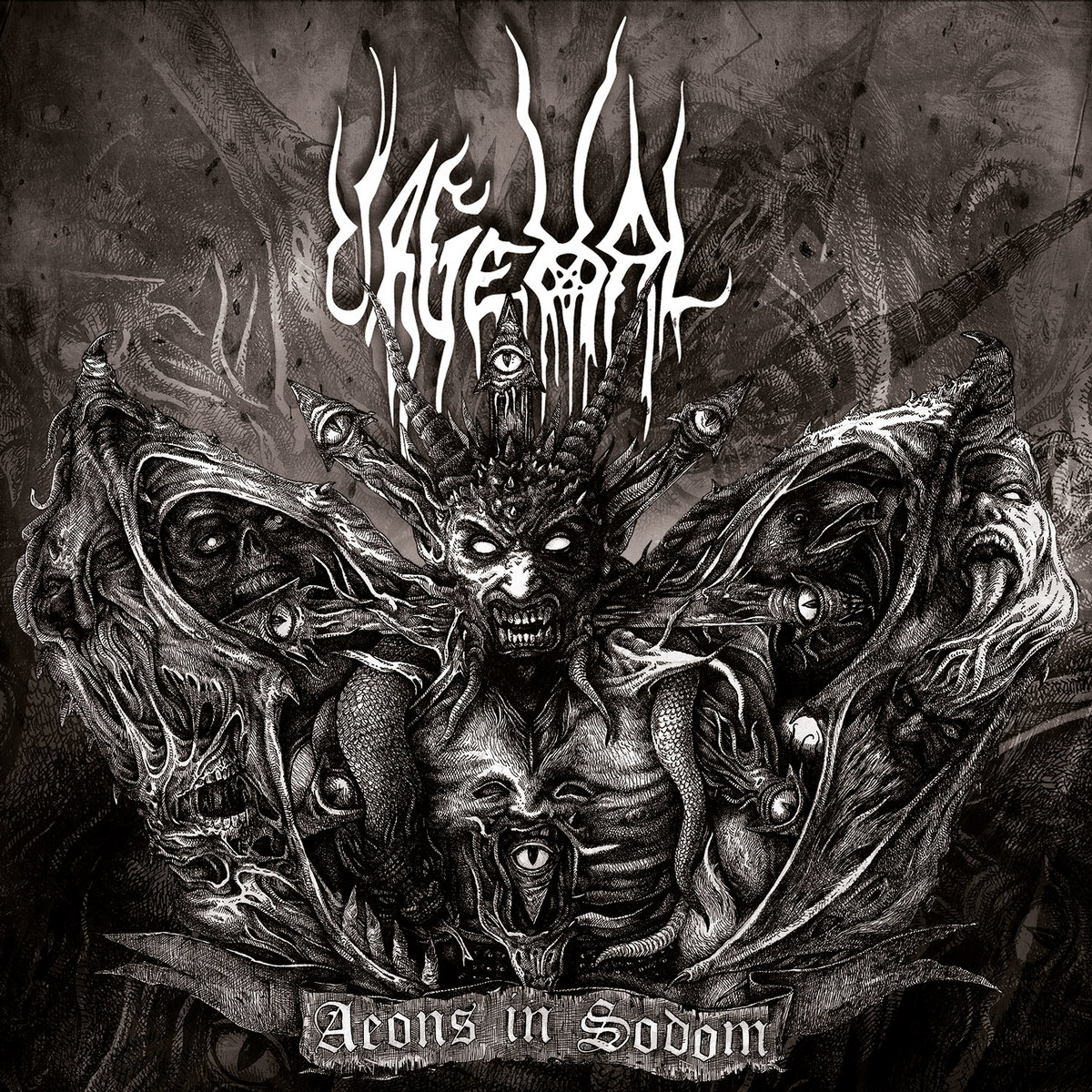
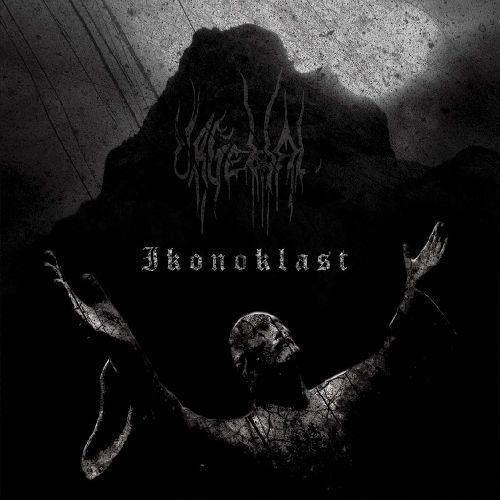
For bands like Helfró and Urgehal, these venue characteristics are essential elements of their artistic identity. The European metal scene's deep understanding of how physical spaces influence musical experience creates opportunities for atmospheric exploration that would be difficult to achieve in more conventional concert environments.
Technical Death Metal's European Laboratory
Canadian technical death metal virtuosos Archspire's decision to return to European stages with Crown Magnetar, The Zenith Passage, and Analepsy demonstrates the continent's emergence as the premier testing ground for extreme metal's most demanding artistic expressions. The technical precision required for Archspire's compositions demands venue acoustics and audience sophistication that European metal culture has spent decades developing.
European technical death metal audiences possess an analytical appreciation for musical complexity that encourages bands to push their compositional boundaries. This cultural expectation has created a feedback loop where Continental venues become laboratories for extreme metal innovation, with bands using European tours to debut their most challenging material.
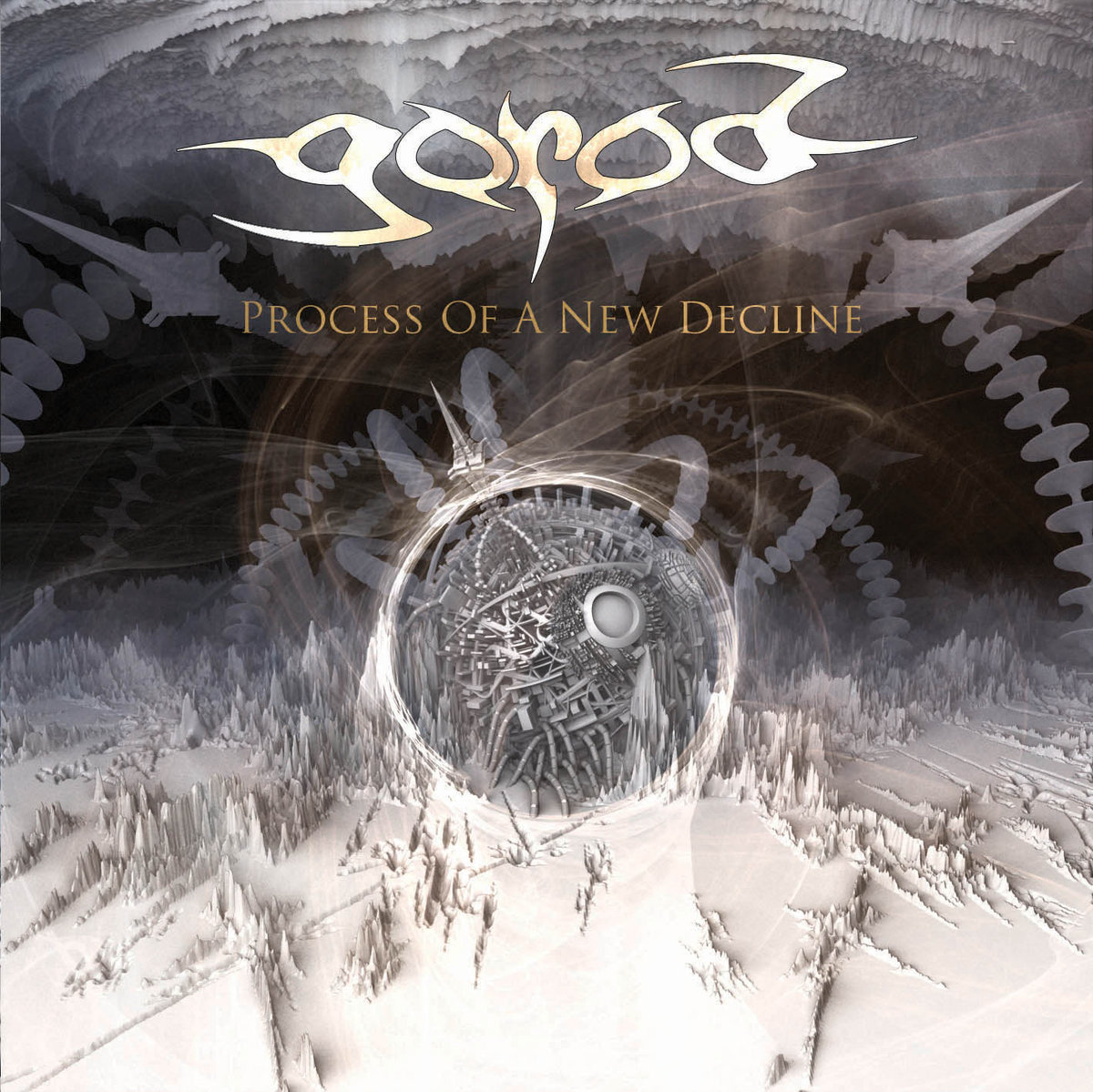
Local technical death metal acts like Gorod have long understood this dynamic, using the European circuit to refine their compositions before expanding to other markets. The continent's concentration of musically educated metalheads provides immediate feedback on technical passages and compositional choices that might be lost on less sophisticated audiences elsewhere.
Finnish Metal's Festival Circuit Mastery
Amorphis's strategic release of live footage ahead of their European festival appearances illustrates the sophisticated relationship between Continental bands and the festival circuit that defines European metal summers. Their performance of "The Lantern" serves as both promotional material and artistic statement, demonstrating how Finnish bands have mastered the art of translating complex studio compositions into festival-appropriate presentations.
The European festival circuit operates according to cultural principles that differ significantly from American festival culture. Continental festivals emphasize artistic curation over commercial appeal, creating opportunities for bands to present career-spanning retrospectives rather than simplified greatest-hits performances. This curatorial sophistication allows veteran acts to explore deep catalog material that would be risky in purely commercial contexts.
Finnish bands like Amorphis have become masters of this festival approach, understanding how to balance accessibility with artistic integrity across diverse European audiences. Their ability to present folkloric elements and progressive compositions to festival crowds demonstrates the cultural sophistication that separates European metal culture from its global counterparts.
The Venue as Cultural Institution
What distinguishes European metal venues from their international counterparts is their integration into broader cultural ecosystems. Many Continental metal venues operate as cultural institutions rather than simple entertainment facilities, offering curated programming that treats heavy music as legitimate artistic expression worthy of serious cultural consideration.
This institutional approach creates opportunities for genre-crossing collaborations and experimental presentations that would be financially impossible in purely commercial venues. European metal venues regularly host academic discussions, documentary screenings, and artistic installations that complement their musical programming, creating comprehensive cultural experiences for attendees.
The cultural legitimacy of European metal venues also attracts non-metal audiences who view heavy music events as opportunities for cultural education rather than simple entertainment. This cross-cultural pollination enriches the European metal scene by introducing new perspectives and maintaining connections to broader artistic movements.
Regional Identity Through International Programming
Perhaps paradoxically, European metal venues strengthen their regional identities through carefully curated international programming. The selection of which American, Canadian, and other international acts receive European tour support reflects sophisticated cultural curation that prioritizes artistic merit over commercial potential.
European metal venues serve as cultural filters, introducing Continental audiences to international acts that complement rather than compete with local scene development. This curatorial approach ensures that international tours enhance rather than overshadow regional metal cultures, creating sustainable ecosystems that benefit both touring acts and local scenes.
The success of this model has made European approval increasingly important for international metal acts seeking global credibility. A successful European tour now serves as cultural validation that extends far beyond simple commercial metrics, establishing artistic legitimacy that influences global metal culture.
As the metal bands touring 2026 continue shaping this landscape, European venues will undoubtedly continue evolving as cultural institutions that define not just where metal is performed, but how it is understood as artistic expression. The continent's unique combination of historical weight, cultural sophistication, and architectural diversity creates opportunities for metal presentations that exist nowhere else in the global heavy music ecosystem.