Black Metal Purists Challenge European Authenticity as American Acts Seek Continental Validation Through Atmospheric Soundscapes

The European black metal scene finds itself at a fascinating crossroads as American acts increasingly seek validation through Continental tours, while atmospheric subgenres reshape traditional boundaries and purist debates intensify across the region.
American Black Metal's European Pilgrimage
Abigail Williams' announced European tour alongside Shagor represents more than simple international expansion—it signals American black metal's continued reverence for European authenticity. The Rochester outfit's decision to cross the Atlantic speaks to an enduring truth within extreme metal: European stages remain the ultimate proving ground for atmospheric black metal credibility.
This trans-Atlantic validation seeking isn't new, but its intensity has reached unprecedented levels. American black metal acts recognize that European audiences possess an inherent understanding of the genre's philosophical and aesthetic foundations, forged through decades of Scandinavian and Eastern European innovation. When bands like Abigail Williams commit resources to extensive European touring, they're acknowledging this Continental supremacy.
The collaboration with Shagor adds intriguing dynamics to this cultural exchange. European support acts on American-headlined tours create fascinating artistic dialogues, where New World interpretations of black metal meet Old World authenticity. These partnerships often produce unexpected creative sparks that neither scene achieves in isolation.
Atmospheric Black Metal's Continental Evolution
The rise of atmospheric black metal has fundamentally altered European extreme music landscapes. Unlike traditional second-wave Norwegian black metal's stark minimalism, atmospheric variants embrace expansive soundscapes that challenge purist orthodoxies while maintaining essential darkness.
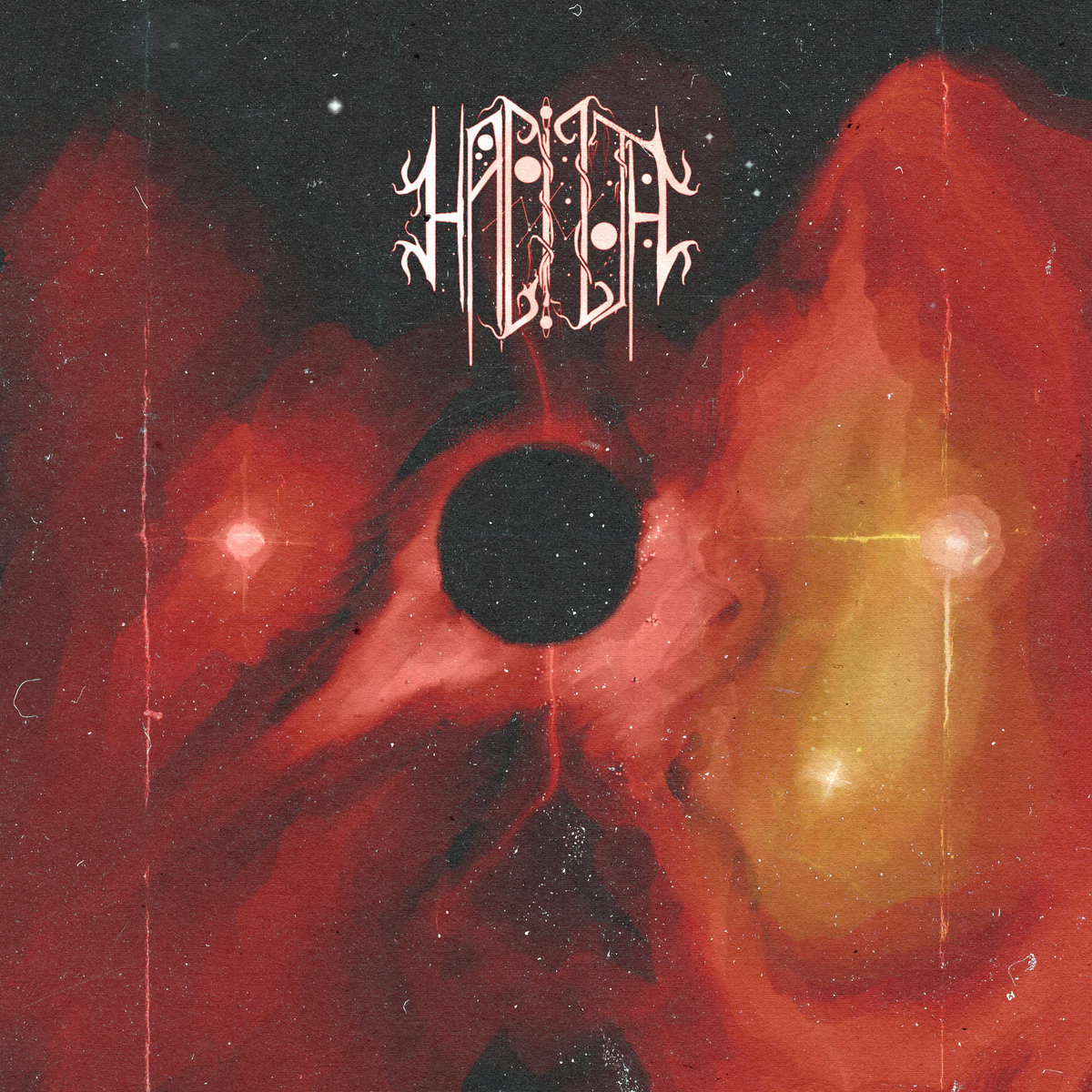
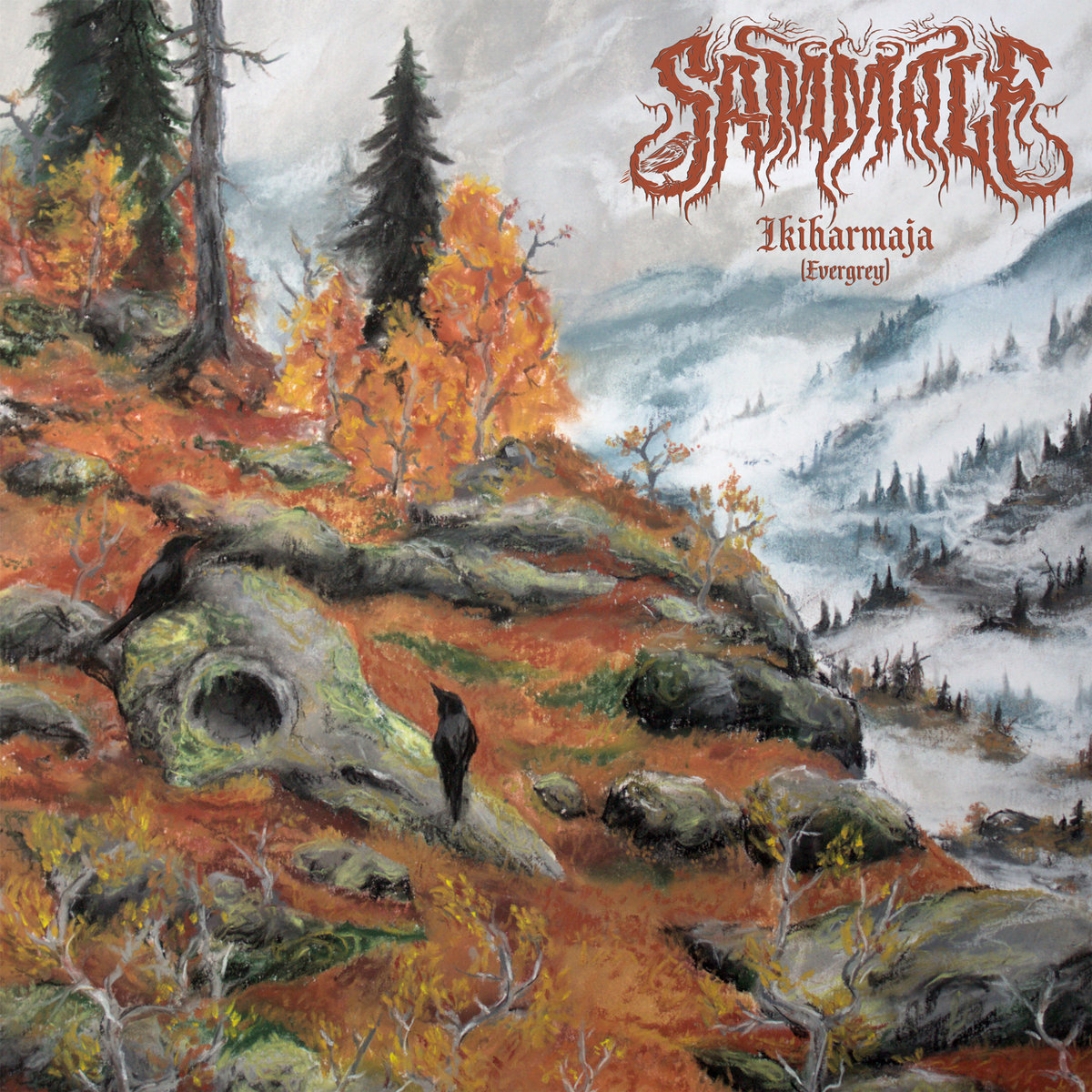
Bands like Sammale and Halizth exemplify this evolution, crafting immersive sonic environments that transcend traditional genre limitations. Their approach demonstrates how European atmospheric black metal artists balance innovation with respect for foundational elements.
The atmospheric movement's strength lies in its ability to incorporate diverse influences—from post-rock textures to ambient electronics—without abandoning black metal's core spiritual intensity. This flexibility has allowed the subgenre to attract broader audiences while maintaining underground credibility, a balance that traditional black metal often struggles to achieve.
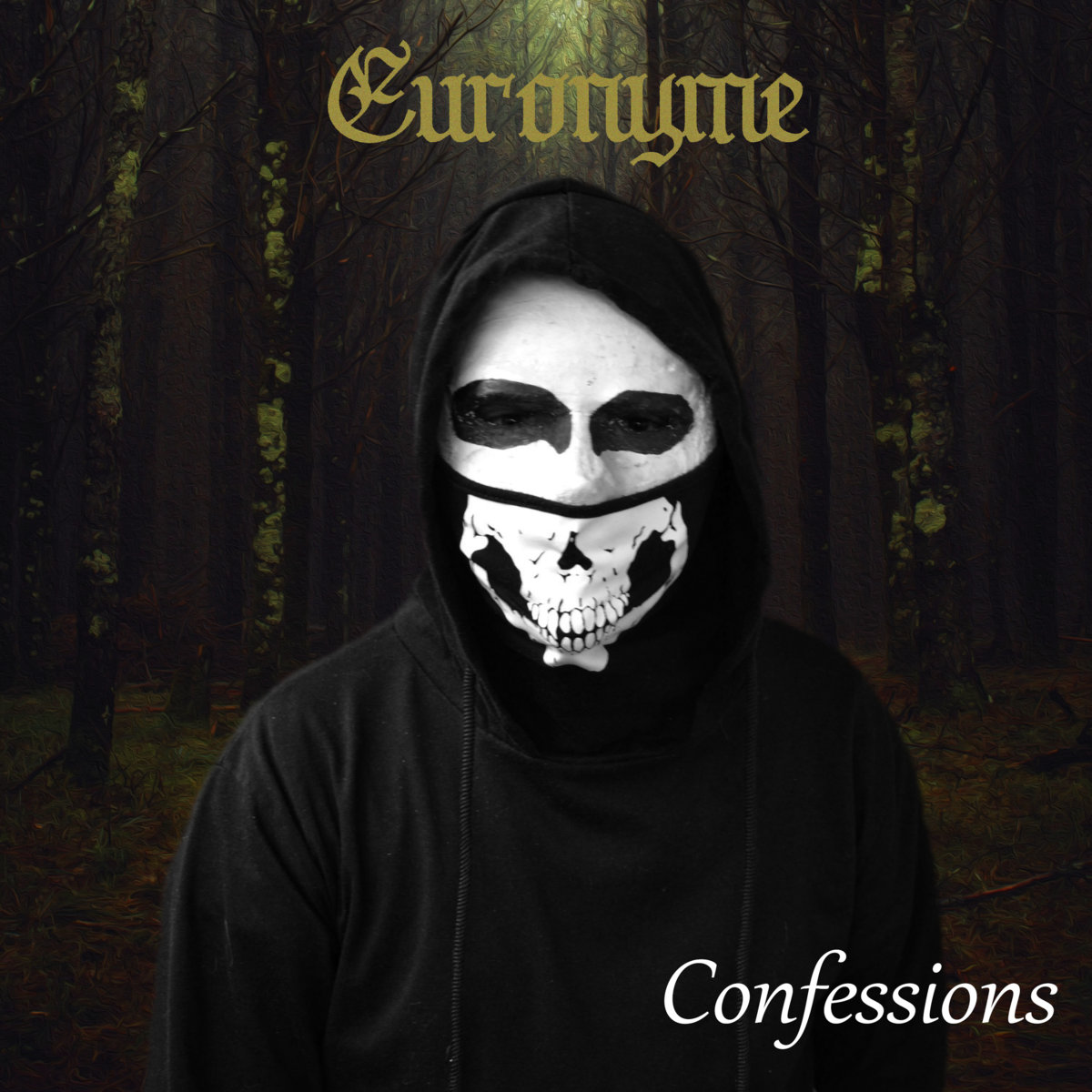
Euronyme represents another fascinating example of atmospheric black metal's European sophistication. Their layered compositions demonstrate the technical proficiency and emotional depth that Continental acts bring to the genre, setting standards that American acts like Abigail Williams aspire to match.
Purist Resistance and Authenticity Debates
The atmospheric black metal surge has inevitably triggered purist backlash across European scenes. Traditional black metal advocates argue that excessive melody and production clarity dilute the genre's essential rawness and spiritual darkness. These debates rage particularly intensely in Norway, Sweden, and Finland, where black metal's foundational acts originated.
However, this resistance reveals deeper anxieties about cultural appropriation and commercial exploitation. When American bands tour Europe playing atmospheric black metal, some European musicians feel their innovations are being repackaged and sold back to them. This tension creates complex dynamics where artistic collaboration exists alongside cultural protectiveness.
The authenticity question extends beyond national boundaries to philosophical ones. Does atmospheric black metal maintain sufficient darkness and anti-commercial sentiment to qualify as "true" black metal? European scenes increasingly answer this question through practical demonstration rather than theoretical debate—if the music conveys genuine spiritual intensity, its atmospheric elements become secondary considerations.
Bands like Innowrun navigate these debates by grounding atmospheric expansions in traditional black metal foundations. Their approach suggests that evolution and authenticity aren't mutually exclusive, provided artists maintain spiritual connection to the genre's core principles.
Festival Circuit Impact and Cultural Exchange
European metal festivals have become crucial platforms for atmospheric black metal development and American-European cultural exchange. Events across Germany, Norway, and Eastern Europe increasingly feature mixed bills that combine traditional black metal with atmospheric variants, forcing audiences to confront genre boundaries directly.
These festival experiences often prove transformative for both artists and audiences. American acts like Abigail Williams gain exposure to European black metal's broader ecosystem, while European musicians observe how New World artists interpret Continental innovations. The resulting cross-pollination enriches both scenes.
Festival organizers report growing demand for atmospheric black metal acts, suggesting audience appetite for genre evolution. This commercial reality forces even traditionalist festivals to incorporate atmospheric elements, gradually normalizing the subgenre's presence within European extreme metal culture.
The festival circuit also provides neutral ground for addressing authenticity debates. When American and European atmospheric black metal acts share stages successfully, artificial distinctions between "authentic" and "derivative" approaches become harder to maintain. Musical quality and spiritual intensity emerge as more meaningful evaluation criteria than geographical origins.
Production Standards and Sonic Philosophy
European atmospheric black metal's production philosophy differs significantly from American approaches, creating interesting tensions when acts like Abigail Williams tour Continental venues. European artists often prioritize organic instrumental textures and spatial dynamics, while American acts may emphasize digital precision and layered complexity.
These production differences reflect broader philosophical approaches to atmospheric black metal. European acts frequently view atmospheric elements as natural extensions of black metal's emotional landscape, while American bands sometimes treat them as conscious artistic choices designed to expand genre boundaries.
The live environment becomes particularly revealing for these philosophical differences. European venues and audiences expect atmospheric black metal to create genuine transcendent experiences, not merely showcase technical proficiency. American touring acts must adapt their performances to meet these spiritual expectations, often discovering new dimensions within their own music.
Regional Variations and Local Innovations
Different European regions have developed distinct atmospheric black metal characteristics that challenge monolithic genre definitions. Scandinavian atmospheric black metal often incorporates folk elements and natural imagery, while Eastern European variants may emphasize historical tragedy and cultural memory.
German atmospheric black metal tends toward philosophical complexity and industrial textures, reflecting the country's unique cultural position within European extreme metal. French acts often incorporate artistic pretension and literary influences, creating atmospheric compositions that function as cultural statements beyond mere musical expression.
These regional variations provide American touring acts with diverse learning opportunities. Abigail Williams' European tour will expose them to multiple atmospheric black metal interpretations, potentially influencing their future creative directions. Such cultural exchanges benefit both American artists and European scenes, preventing artistic stagnation through mutual inspiration.
Understanding these regional nuances becomes crucial for American acts seeking European credibility. Audiences in different countries expect atmospheric black metal to address distinct cultural and spiritual themes, requiring touring bands to demonstrate genuine understanding rather than surface-level genre mimicry.
Future Trajectories and Underground Persistence
The intersection of American validation-seeking and European atmospheric black metal innovation suggests exciting future developments. As cultural exchanges intensify through tours like Abigail Williams', hybrid approaches may emerge that combine New World experimentation with Old World authenticity.
Underground European scenes continue developing increasingly sophisticated atmospheric approaches while maintaining essential black metal darkness. This underground persistence ensures that commercial pressures won't completely dilute the genre's spiritual core, providing ongoing inspiration for both local and international acts.
The long-term impact of increased American-European cultural exchange remains uncertain, but early indicators suggest mutual benefit rather than one-sided appropriation. European atmospheric black metal gains international exposure and validation, while American acts develop deeper understanding of genre foundations and possibilities.
As these trends continue evolving, European metal's role as the ultimate proving ground for black metal authenticity seems secure. American acts will continue seeking Continental validation, while European scenes will keep pushing atmospheric boundaries and defending essential darkness against commercial dilution.