Technical Death Metal Masters Archspire Spearhead Spring European Assault as Budapest Becomes Metal Pilgrimage Destination
The European metal landscape is experiencing a seismic shift as technical death metal virtuosos and progressive metal pioneers converge on the Continent for what promises to be one of the most musically sophisticated touring seasons in recent memory. Leading this charge, Canadian technical death metal masters Archspire have announced their return to European shores, bringing with them a carefully curated package that represents the cutting edge of extreme metal evolution.
Technical Excellence Takes Center Stage
Archspire's upcoming European expedition demonstrates the Continent's position as the proving ground for metal's most demanding subgenres. The Vancouver-based quartet, renowned for their inhuman precision and blistering tempos, will be accompanied by Crown Magnetar, The Zenith Passage, and Analepsy—a lineup that reads like a masterclass in contemporary extreme metal craftsmanship.
This touring package represents more than just entertainment; it's a validation of Europe's appetite for technical complexity that would challenge even the most seasoned metalheads. The inclusion of such technically demanding acts suggests European audiences have evolved beyond simple brutality, demanding the kind of musical sophistication that pushes the boundaries of what metal can achieve.
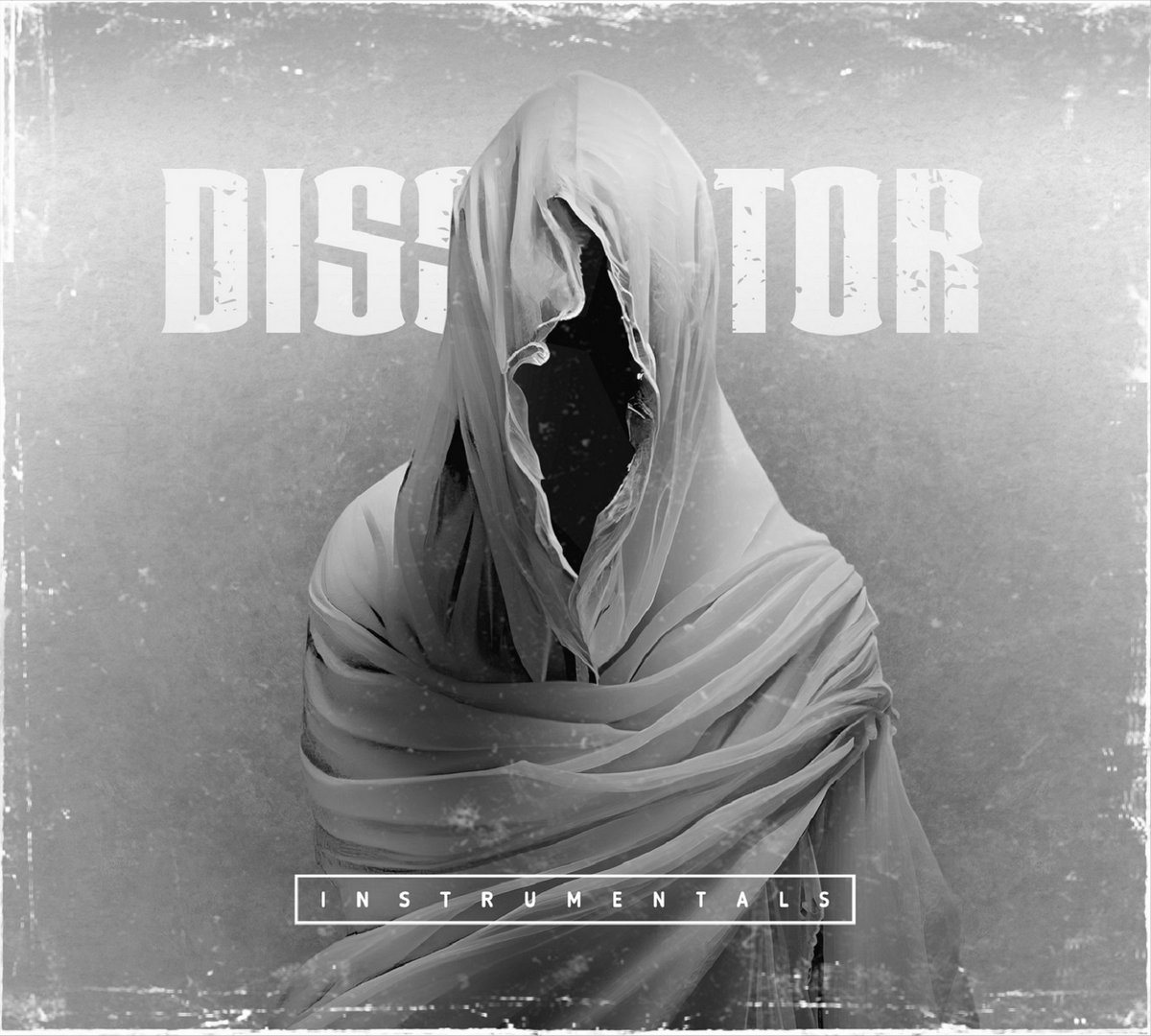
For European technical death metal acts like Dissector and Cryptic Shift, tours of this caliber provide both inspiration and healthy competition. The presence of international technical masters on Continental stages raises the bar for local scenes, forcing European acts to elevate their own technical prowess to compete in this increasingly sophisticated market.
Budapest Emerges as Metal's Cultural Hub
Meanwhile, Budapest continues its transformation into one of Europe's most significant metal pilgrimage destinations. The recent concert by former Queensrÿche vocalist Geoff Tate at the iconic A38 Hajó venue has generated considerable attention, with fan-filmed footage capturing an evening that perfectly encapsulated the venue's growing reputation as a premier metal destination.
Tate's setlist, featuring classics like "Anarchy-X" and "Revolution Calling," demonstrated how Budapest has become a must-play destination for metal veterans seeking sophisticated audiences. The A38 Hajó, a converted Ukrainian stone-carrier ship permanently moored on the Danube, represents the kind of unique venue that European metal culture excels at creating—spaces where industrial aesthetics meet musical innovation.
This trend toward Budapest as a metal hub reflects broader changes in European touring patterns. No longer content to rely solely on traditional metal capitals like London or Berlin, promoters are discovering that cities like Budapest offer both passionate audiences and distinctive venues that create memorable experiences for touring acts.
Black Metal's Continental Return
The announcement of Abigail Williams' European tour with support from Shagor signals black metal's renewed focus on Continental stages. The American atmospheric black metal pioneers' return to European shores represents a recognition of the Continent's crucial role in nurturing and validating extreme metal artistry.
For European black metal acts, particularly atmospheric practitioners like Hedenskfrid and raw underground acts like Larve, the presence of established international acts provides both learning opportunities and potential collaboration possibilities. The European black metal scene's diversity—from the folk-influenced sounds of Grylle to the symphonic extremity of Gentihaa—offers visiting acts a rich tapestry of local talent to discover.

Finnish Metal Legacy Projects Gain Momentum
The announcement of Anette Olzon's upcoming European tour dedicated to her Nightwish albums "Dark Passion Play" and "Imaginaerum" represents a fascinating development in how European metal veterans are approaching their legacies. Olzon's reflective comments about her time with Nightwish, expressing no resentment toward the band, suggest a maturation in how the European metal community processes creative transitions.
This tour concept—focusing specifically on the albums from her tenure with the Finnish symphonic metal giants—demonstrates how European metal culture allows for nuanced exploration of artistic periods. Rather than simply performing greatest hits, Olzon is creating a focused experience that celebrates specific creative achievements while acknowledging the collaborative nature of her contributions to Nightwish's catalog.
For European symphonic metal acts like The Aesthetic Project and Charlotte Wessels, Olzon's approach provides a template for how former band members can celebrate their contributions without creating controversy or division within the metal community.
Finnish Metal's Festival Preparation
Amorphis' release of their live performance of "The Lantern" signals the beginning of European festival season preparation. The Finnish progressive metal legends' focus on their live presentation ahead of the Continental festival circuit demonstrates the continued importance of summer festivals in European metal culture.

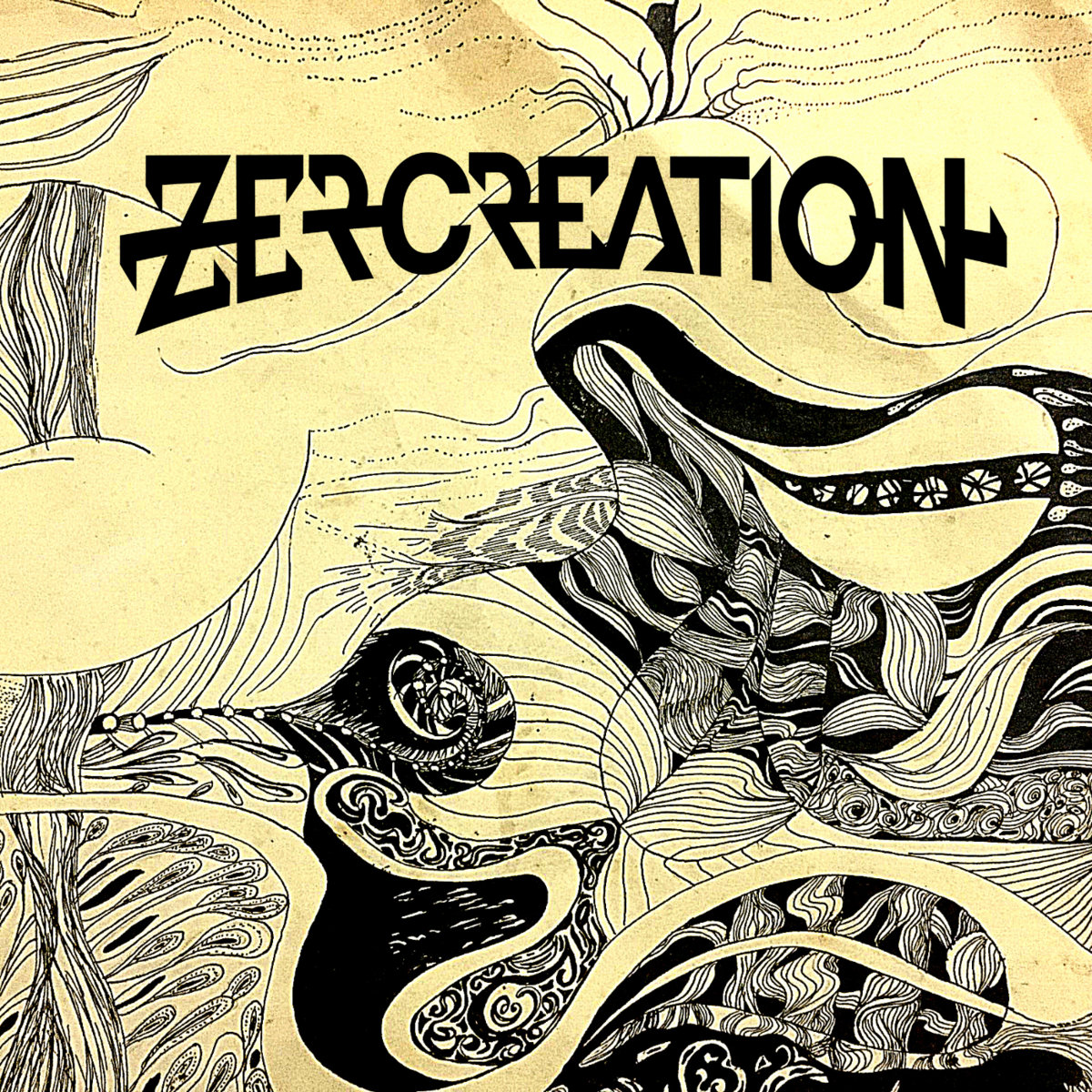
European festivals remain the lifeblood of Continental metal culture, providing platforms where international acts, established legends, and emerging local talent share stages in ways that simply don't happen elsewhere. For acts across the spectrum—from groove metal practitioners like Zero Creation to funeral doom experimentalists like Pogost—festival season represents the year's most important networking and exposure opportunities.
The Continental Advantage
What emerges from these tour announcements is a clear picture of Europe's unique position in global metal culture. Unlike other continents where metal scenes exist in relative isolation, Europe's geographic density and cultural diversity create an environment where musical cross-pollination happens naturally. A band can play technical death metal to sophisticated audiences in Amsterdam one night, then perform for black metal purists in Oslo the next, all while experiencing distinctly different but equally passionate fan cultures.
This diversity extends to venue types as well. From Budapest's converted ship venues to underground clubs in Eastern European capitals, European metal tours offer experiential variety that simply cannot be replicated elsewhere. Each venue tells a story about local metal culture, creating contexts that enhance the musical experience for both performers and audiences.
Looking Forward
As these tours unfold throughout the year, they'll undoubtedly influence the direction of European metal culture. The technical prowess displayed by acts like Archspire will inspire local musicians to push their own boundaries. The legacy celebration approaches pioneered by artists like Olzon will provide templates for how veteran musicians can honor their pasts while moving forward. And venues like Budapest's A38 Hajó will continue establishing new standards for what metal concert experiences can achieve.
For European metal fans, this represents an embarrassment of riches—multiple opportunities to witness metal's evolution firsthand while supporting both international touring acts and local scenes. The Continent's metal infrastructure, built over decades of passionate dedication, continues proving itself capable of supporting increasingly sophisticated and diverse musical expressions.
The message is clear: European metal culture isn't just surviving the modern music industry's challenges—it's thriving, setting standards, and demonstrating why the Continent remains metal's most important cultural center. Whether you're interested in technical excellence, atmospheric experimentation, or legacy celebration, Europe's metal scene offers unparalleled depth and quality that continues attracting the world's finest heavy music artists.