Band Stability Crisis Rocks Metal Scene as Skindred Navigates Creative Departures and European Artists Master Sobriety

The heavy music landscape is experiencing unprecedented internal turbulence as band stability reaches a crisis point across multiple continents. From founding member departures to public disputes over firing decisions, the industry's professional dynamics are under intense scrutiny while European artists demonstrate remarkable personal discipline in an environment historically associated with excess.
Welsh Ragga Metal Pioneers Weather Creative Storm
Newport's Skindred has emerged from significant internal upheaval following the departure of founding bassist Dan Pugsley, who reportedly struggled with prolonged dissatisfaction before ultimately leaving the band. The timing proves particularly challenging given Pugsley's substantial creative contribution to their upcoming ninth studio effort, "You Got This," where he penned the vast majority of the material.
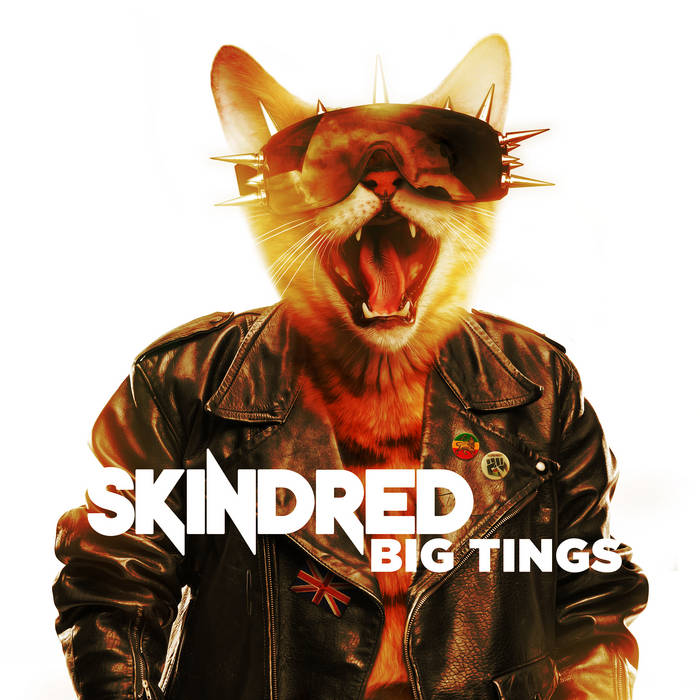
Drummer Arya Goggins recently addressed the situation with characteristic Welsh directness, acknowledging the bassist's extended period of unhappiness within the group's dynamic. This development highlights the delicate balance between creative partnership and personal fulfillment that defines successful long-term musical collaborations. For a band that has spent decades perfecting their unique fusion of reggae rhythms with aggressive metal riffs, losing such a significant creative voice represents both challenge and opportunity.
The departure underscores broader tensions affecting established European metal acts as they navigate evolving industry pressures while maintaining artistic integrity. Skindred's ability to complete their album despite internal friction demonstrates the professionalism that separates sustainable careers from temporary projects.
Transatlantic Band Drama Exposes Industry's Professional Standards
Meanwhile, American death metal veterans Suffocation have become embroiled in public controversy with former drummer Eric Morotti, creating a cautionary tale about communication breakdown within professional musical partnerships. The band vehemently disputes Morotti's version of events surrounding his departure, claiming they had already terminated his services before he announced his intention to leave.
This type of public disagreement between former collaborators reveals the often murky waters of band politics and contract obligations that exist beneath the surface of creative partnerships. European metal acts observing this situation from across the Atlantic can draw valuable lessons about maintaining clear communication channels and documented agreements to prevent similar public disputes.
The controversy also highlights how social media and instant communication have transformed internal band conflicts into public spectacles that can damage reputations and future prospects for all involved parties.
Sobriety Culture Emerges Among Heavy Music Veterans
Contrasting sharply with traditional metal stereotypes, accomplished drummer Tommy Clufetos has publicly embraced complete sobriety throughout his career with legendary acts including Black Sabbath and Ozzy Osbourne's solo project. His candid admission about maintaining straight-edge principles while performing at the highest levels of heavy music challenges long-held assumptions about lifestyle requirements for rock authenticity.
Clufetos represents a growing movement within heavy music that prioritizes professional excellence over self-destructive behavior patterns. His approach resonates particularly strongly within European metal circles, where many acts have watched talented peers struggle with substance abuse issues that derailed promising careers.
This disciplined approach to professional musicianship offers hope for younger European metal artists seeking sustainable career paths without compromising their health or creative potential. The drummer's success with iconic British metal acts proves that exceptional performance stems from dedication and skill rather than chemical enhancement.
Hall of Fame Recognition Validates British Metal Legacy
British metal legends Iron Maiden's long-overdue induction into the Rock and Roll Hall of Fame represents significant validation for European metal's global influence and artistic legitimacy. Their inclusion alongside diverse artists from multiple genres demonstrates heavy music's mainstream acceptance and cultural impact beyond traditional guitar-based rock.
This recognition carries particular significance for European metal scenes that have often felt overshadowed by American commercial success despite producing equally innovative and influential music. Iron Maiden's induction opens doors for future recognition of Continental metal acts whose contributions deserve similar acknowledgment.
The timing also coincides with renewed interest in classic heavy metal styles among younger European artists who draw inspiration from the band's theatrical stage presentations and complex musical arrangements. Acts like Majesty and other European traditional metal bands continue developing this legacy through their own interpretations of classic metal aesthetics.
Digital Innovation Challenges Traditional Performance Models
American shock rock veterans KISS are pushing technological boundaries with plans for avatar-based performances scheduled for 2028, complete with newly composed material specifically designed for digital presentation formats. This development represents a fascinating intersection of traditional heavy music with cutting-edge entertainment technology.
European metal acts are closely monitoring these experiments as they consider their own approaches to digital performance opportunities. The COVID-19 pandemic already demonstrated the importance of virtual concert capabilities, and KISS's ambitious project could establish new standards for immersive musical experiences.
This technological evolution poses both opportunities and challenges for European metal bands who have traditionally relied on intimate live performance connections with their audiences. The success or failure of such digital experiments will likely influence touring strategies and fan engagement approaches across the Continental metal scene.
Festival Circuit Adaptation Continues
Major festival lineup adjustments continue reshaping the European metal touring landscape as promoters adapt to evolving audience preferences and logistical challenges. These changes reflect broader industry trends toward more curated experiences and careful risk management in large-scale event planning.
European metal festivals have historically served as crucial platforms for both established acts and emerging talent to reach international audiences. Recent lineup modifications suggest promoters are becoming more selective about balancing commercial appeal with artistic credibility.
For emerging European metal bands seeking festival opportunities, these changes emphasize the importance of developing distinctive sounds and professional presentations that can compete effectively within increasingly competitive booking environments. Submit your band information to ensure your music reaches festival scouts and industry professionals actively seeking fresh talent.
The current period of instability and change within heavy music presents both challenges and opportunities for European metal acts willing to adapt while maintaining their artistic vision. Success increasingly depends on professional conduct, creative innovation, and understanding evolving industry dynamics rather than relying solely on traditional metal stereotypes and approaches.