Continental Metal's Symphonic Legacy Lives On as Within Temptation's Sharon Den Adel Confronts Modern Society's Direction
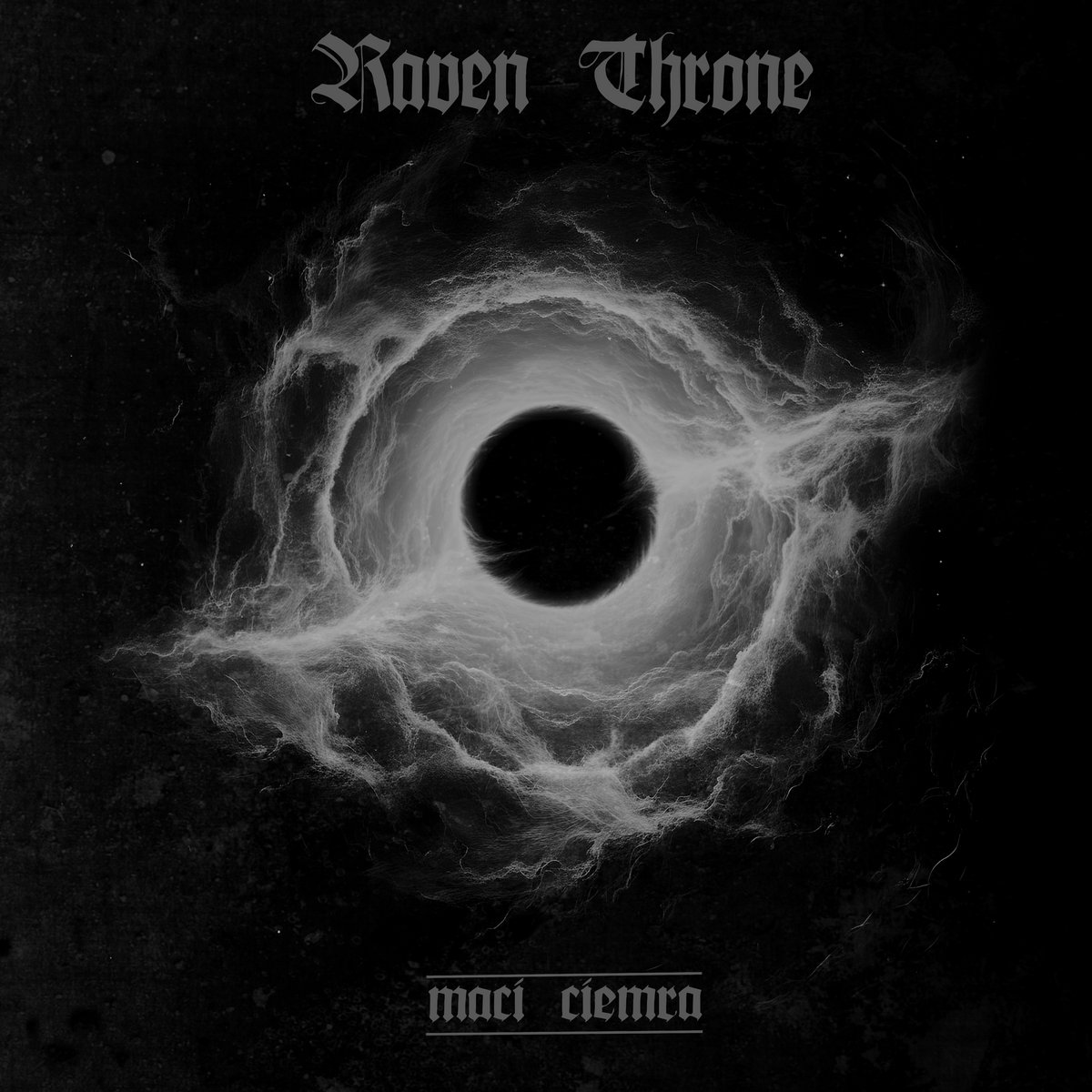
The Dutch symphonic metal powerhouse Within Temptation has been watching European society evolve for three decades, and frontwoman Sharon Den Adel isn't pleased with what she's observing. In recent candid remarks, Den Adel expressed deep concern about humanity's trajectory, stating that society is moving in fundamentally wrong directions. Her observations carry particular weight given Within Temptation's position as one of Europe's most enduring symphonic metal acts, having witnessed the continent's cultural and political shifts since the mid-1990s.
Den Adel's commentary reflects broader tensions within European metal communities, where artists increasingly find themselves grappling with societal issues that extend far beyond traditional metal themes. Within Temptation's evolution from gothic metal pioneers to mainstream symphonic metal ambassadors positions them uniquely to observe these changes, having maintained relevance across multiple generations of European metalheads.
European Metal's Social Commentary Tradition
European metal has always embraced social and political commentary more readily than other regional scenes, and Den Adel's recent statements continue this tradition. The continent's metal bands have consistently used their platforms to address everything from war and corruption to environmental destruction and social inequality. Within Temptation's approach represents the symphonic metal perspective on these issues—grand, orchestral, and emotionally charged.
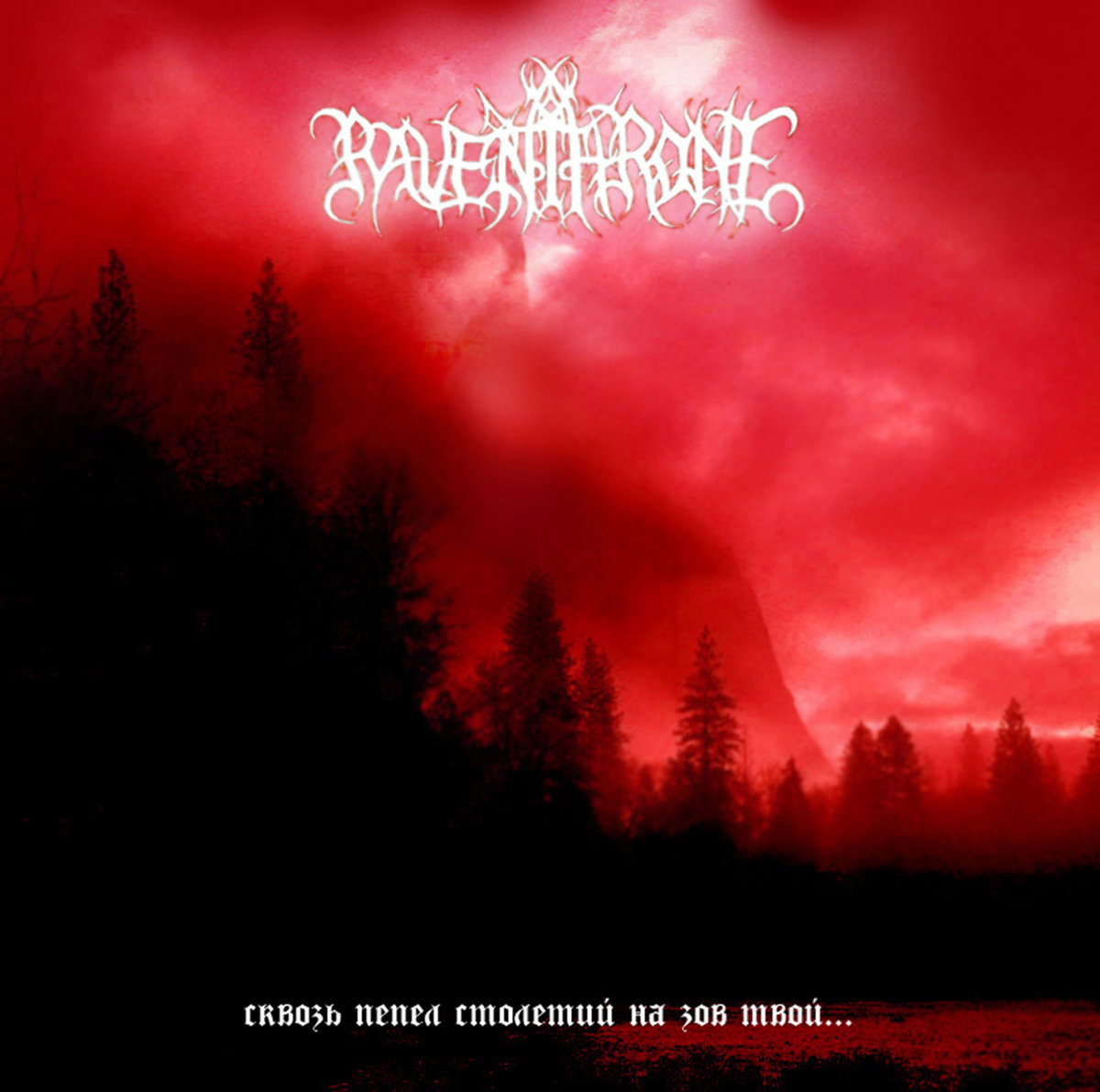
This social consciousness resonates throughout European metal's various subgenres. Bands like Raventhrone, who blend black metal with gothic and symphonic elements, often explore similar themes of societal decay and moral questioning in their atmospheric compositions. The symphonic metal approach allows for more accessible messaging while maintaining the genre's inherent drama and intensity.
Within Temptation's three-decade perspective provides them with unique insight into how European society has transformed. From post-Cold War optimism through economic crises to contemporary challenges, the band has chronicled these changes through their music. Den Adel's recent comments suggest that whatever progress was made in earlier decades has been reversed or corrupted in recent years.
German Guitar Legend Celebrates Classic Metal Heritage
Meanwhile, German guitar virtuoso Uli Jon Roth continues celebrating Europe's classic metal heritage through his ongoing tribute performances. Roth's recent North American appearances commemorating Scorpions' landmark albums "In Trance" and "Virgin Killer" demonstrate how European metal veterans are preserving and recontextualizing their classic contributions for modern audiences.
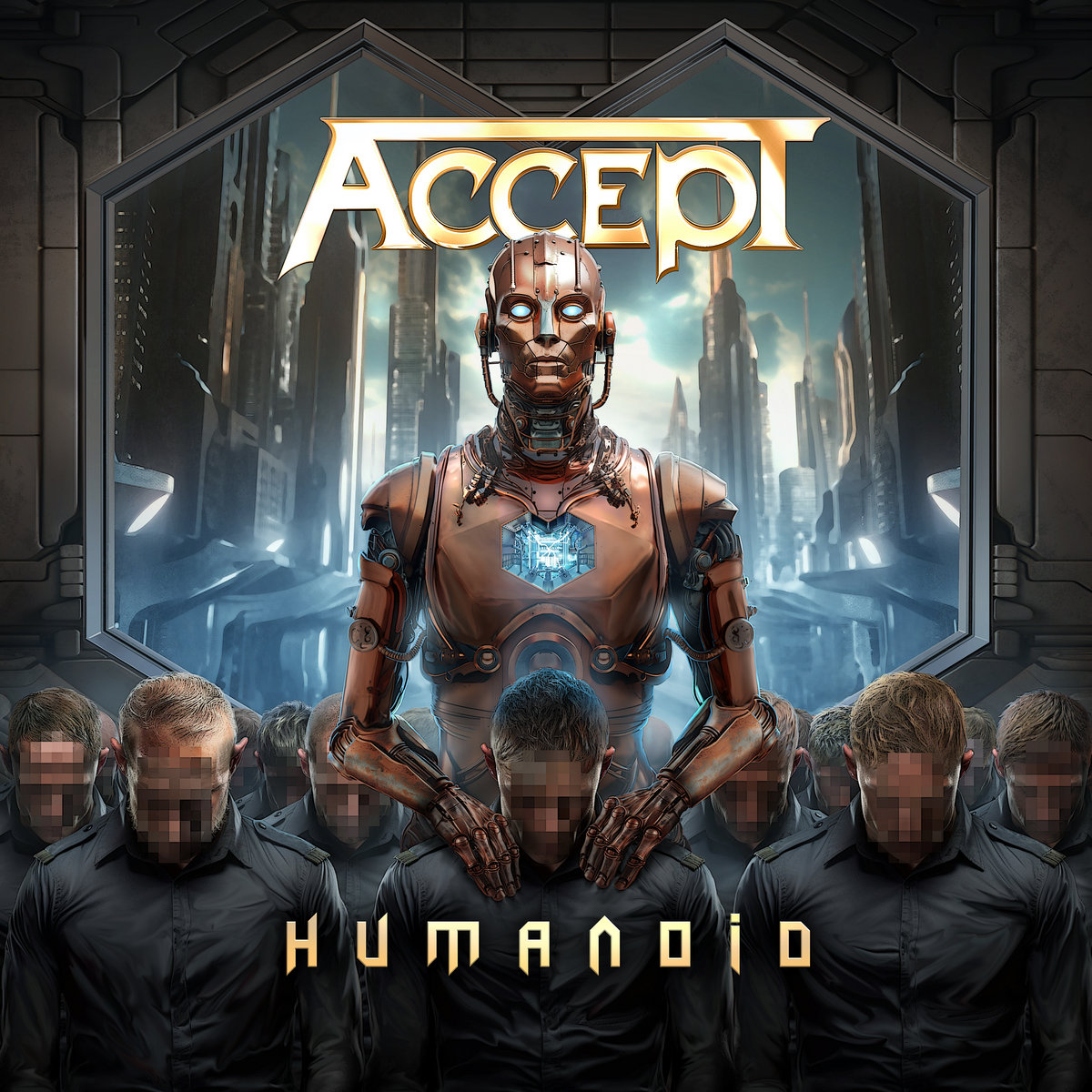
Roth's "Pictures of Destiny" tour represents more than nostalgia—it's active cultural preservation. These performances remind audiences of European metal's foundational role in developing the genre's technical and compositional sophistication. Scorpions' influence extends throughout European metal, from traditional heavy metal acts like Accept to contemporary power metal bands drawing inspiration from classic German metal songwriting.
The celebration of 1970s German metal alongside contemporary social commentary creates interesting parallels. While Roth honors the past, Den Adel challenges the present, yet both approaches reflect European metal's commitment to substance over style. This intellectual depth distinguishes European metal from scenes focused primarily on technical prowess or commercial appeal.
Classic Covers and Cross-Generational Dialogue
Alice Cooper's surprise Nirvana cover at his Arizona festival demonstrates how veteran artists are engaging with different generational perspectives. While Cooper isn't European, his willingness to bridge generational gaps resonates with European metal's tendency toward musical inclusivity and historical awareness. European festivals regularly feature lineups spanning multiple decades and subgenres, reflecting this same cross-generational approach.
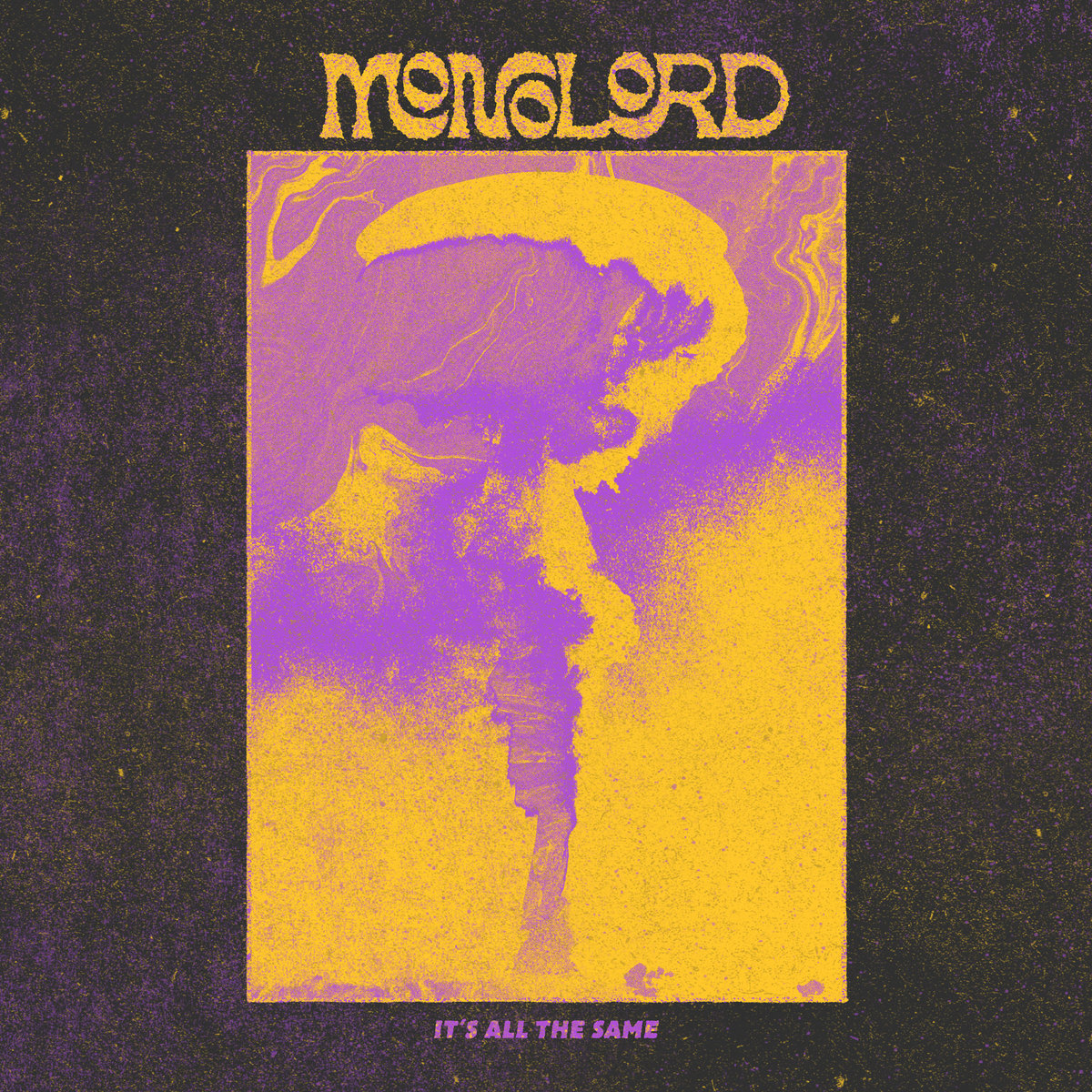
This cover trend highlights how established artists are acknowledging influences beyond their immediate genres. European metal festivals have long embraced this diversity, featuring everything from doom metal acts like Monolord alongside classic heavy metal legends. The continent's festival circuit enables these musical conversations across generational and stylistic boundaries.
The practice also reflects metal's growing comfort with vulnerability and emotional expression. Nirvana's influence on metal's emotional palette can be traced through numerous European bands who incorporated grunge's raw honesty into heavier frameworks. This evolution contributed to the emotional intensity that characterizes much contemporary European metal.
Studio Activity and Creative Renaissance
Beyond touring and commentary, European metal's creative momentum continues building through extensive studio activity. Various acts across the continent are reportedly working on new material, suggesting a creative renaissance that parallels the social and political commentary emerging from veteran bands like Within Temptation.
This studio activity spans multiple subgenres, from atmospheric black metal to progressive death metal experiments. European metal's diversity allows for simultaneous exploration of traditional approaches and cutting-edge innovation. Bands can honor classic European metal traditions while pushing boundaries in production, composition, and thematic content.
The current creative surge also reflects improved accessibility to professional recording facilities across Europe. Smaller scenes that previously struggled with production limitations now have access to world-class studios and engineering talent. This democratization enables more sophisticated releases from emerging bands while established acts can experiment with more ambitious projects.
Festival Circuit and Live Performance Evolution
European metal's festival infrastructure continues adapting to changing audience expectations and technological possibilities. While major festivals maintain their traditional formats, smaller events are experimenting with themed lineups, tribute performances, and cross-genre collaborations that reflect the scene's increasing sophistication.
The festival circuit also serves as a crucial networking hub for European metal professionals. Bands, producers, journalists, and industry professionals use these events to develop collaborations that might not occur through traditional channels. This networking contributes to European metal's cohesiveness despite the continent's linguistic and cultural diversity.
Live performance standards across European metal continue rising, partly driven by competition among festivals and venues. Bands recognize that European audiences expect professional presentation alongside musical excellence. This professionalism extends from technical execution to stage production, creating more immersive experiences for festival attendees.
Looking Forward: European Metal's Continuing Evolution
Sharon Den Adel's societal concerns and Uli Jon Roth's historical celebrations represent different aspects of European metal's ongoing evolution. The genre continues balancing respect for its foundational achievements with willingness to address contemporary challenges. This balance distinguishes European metal from scenes that either worship the past uncritically or abandon tradition entirely.
Within Temptation's three-decade perspective provides valuable context for understanding how European metal has developed alongside broader cultural changes. Their observations about societal direction carry weight precisely because they've maintained relevance across multiple generations while staying true to their artistic vision.
As European metal continues evolving, the combination of social consciousness, technical excellence, and historical awareness positions the scene well for continued global influence. The genre's commitment to substance alongside spectacle ensures that European metal will continue producing both entertainment and meaningful commentary on the human condition.