Commercial Metal Certifications Surge While Veterans Launch Side Projects and Underground Death Metal Resurfaces
The heavy music landscape is experiencing a fascinating dichotomy in 2026, as commercial streaming successes drive unprecedented certification achievements while veteran metal musicians pivot toward passion projects and underground death metal acts emerge from lengthy hibernations. This convergence of mainstream recognition and artistic authenticity reflects a maturing industry where European metal scenes continue to influence global trends.
The Streaming Certification Revolution
April 2026 marked a watershed moment for heavy music's commercial viability, with multiple acts achieving gold and platinum certifications in rapid succession. Sleep Token's atmospheric metal approach has clearly resonated with streaming audiences, while the post-hardcore stylings of Sleeping with Sirens demonstrated remarkable staying power with four separate RIAA certifications earned in a single day. Dayseeker's melodic metalcore sound also earned recognition, proving that the boundaries between metal subgenres matter less than emotional connectivity in today's digital marketplace.
This certification surge reflects broader changes in how heavy music reaches audiences. Unlike the physical sales era that traditionally favored 80s metal bands and classic rock acts, streaming platforms have democratized access to heavier sounds. European metal acts have particularly benefited from this shift, as continental audiences have always embraced diverse heavy music styles more readily than their American counterparts.
The success of these certifications also highlights how new metal bands 2026 must navigate an entirely different promotional landscape than their predecessors. Social media presence, playlist placements, and algorithmic discovery now matter as much as traditional touring and radio play. European festivals and venues have adapted accordingly, often booking acts based on streaming metrics rather than purely regional draw.
Veteran Musicians Embrace Creative Freedom
While younger acts chase streaming success, metal veterans are increasingly prioritizing artistic fulfillment through side projects. Judas Priest guitarist Richie Faulkner's commitment to expanding Elegant Weapons demonstrates how established musicians view passion projects as essential creative outlets. His acknowledgment that Judas Priest won't continue indefinitely reflects the pragmatic approach many veteran players now take toward legacy band commitments.
This trend toward side projects allows seasoned musicians to explore sounds that might not fit their main band's established identity. European metal scenes have long embraced this approach, with members of established acts frequently collaborating across national borders and genre boundaries. The continental festival circuit particularly supports these experimental efforts, providing platforms for musicians to test new material with receptive audiences.
Faulkner's strategic thinking about Elegant Weapons also reflects how modern metal musicians must balance fan expectations with personal growth. The most successful side projects often incorporate elements that complement rather than compete with their creators' primary bands. This approach allows artists to expand their musical vocabularies while maintaining the distinct identities that made their main acts successful.
Faith, Evolution, and Artistic Authenticity
Halestorm frontwoman Lzzy Hale's recent reflections on her band's evolution from Christian rock origins illustrate another crucial aspect of metal's continuing development. The band's journey from wholesome messaging to more complex thematic territory mirrors similar transitions experienced by numerous European metal acts who began with specific ideological frameworks before broadening their artistic scope.
This evolution raises important questions about authenticity and audience expectations in heavy music. European metal scenes have generally proven more accepting of bands that evolve beyond their initial concepts, particularly when those changes reflect genuine personal growth rather than calculated commercial pivots. The continental metal audience's sophistication regarding artistic development often allows bands more freedom to explore controversial or complex themes.
Hale's openness about this transformation also demonstrates how modern metal frontpeople must navigate increasingly complex relationships between personal beliefs and public personas. Social media has made musicians more accessible than ever, but it has also intensified scrutiny of their ideological positions. European metal acts often handle this balance more successfully than their American counterparts, perhaps due to the continent's greater comfort with nuanced political and religious discussions.
Underground Death Metal's Persistent Vitality
While mainstream metal achieves commercial validation, underground death metal continues demonstrating remarkable resilience. Funebrarum's return with crushing new material exemplifies how extreme metal acts can maintain relevance through pure sonic intensity rather than commercial accommodation. Their latest offering proves that best death metal bands often achieve longevity through unwavering commitment to their original vision.
The persistence of bands like Funebrarum highlights death metal's unique position within heavy music's ecosystem. Unlike genres that must constantly evolve to maintain relevance, death metal's core appeal lies in its uncompromising extremity. European death metal scenes have particularly excelled at nurturing acts that prioritize artistic integrity over commercial considerations.
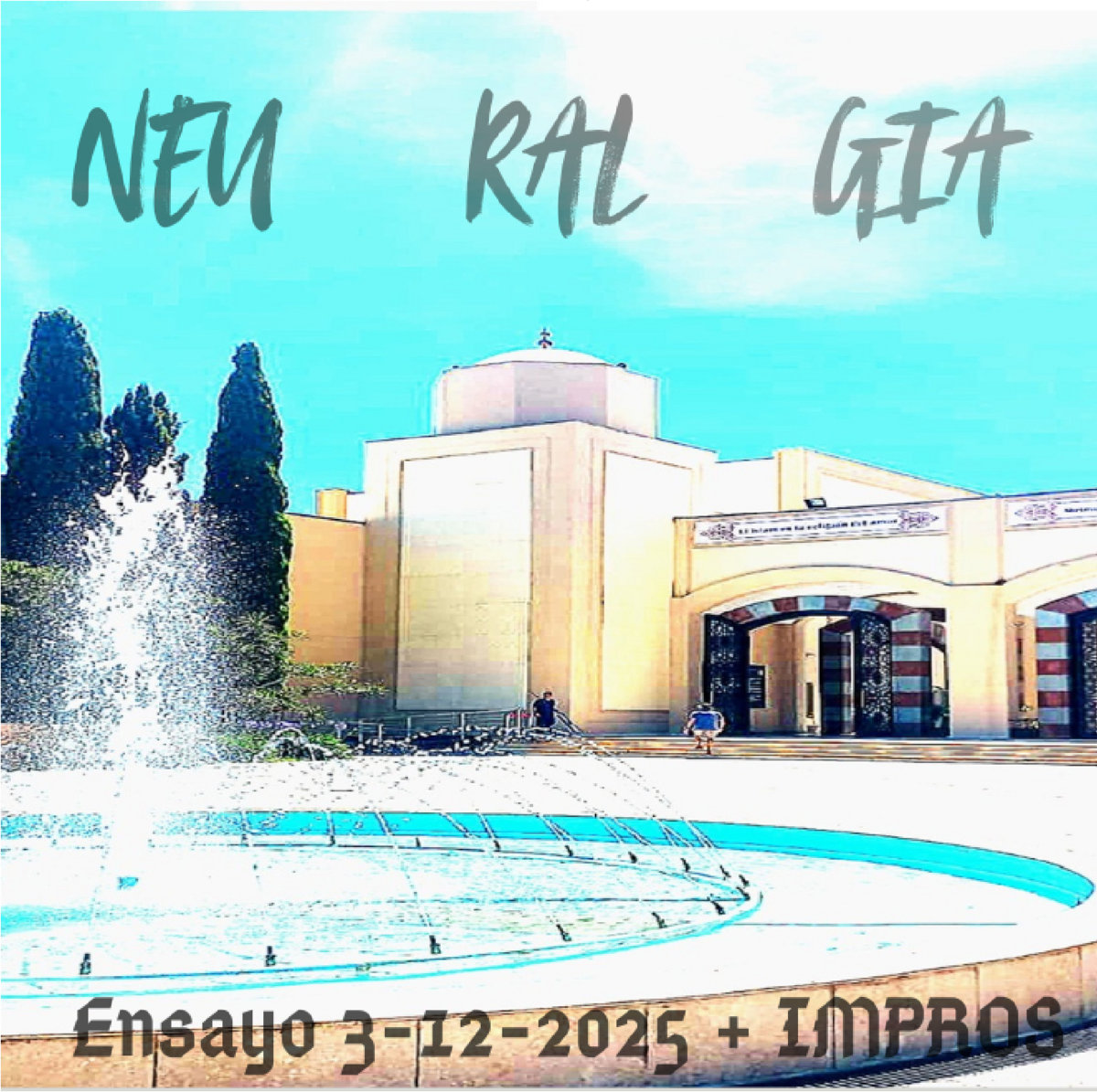
Acts like Leng Tch'e and Neuralgia represent this commitment to underground values within European extreme metal communities. These bands understand that their audiences seek authenticity and intensity rather than mainstream accessibility. This dynamic allows European death metal to maintain its distinct character while influencing broader metal trends through sheer creative force.
The Faceless and Progressive Death Metal's Return
Progressive death metal's resurgence gains additional momentum with The Faceless announcing new material development. This news particularly excites fans who appreciate technical complexity combined with atmospheric elements. The band's collaboration with producer Andrew Virrueta suggests a focus on sophisticated sound design that could influence broader progressive metal trends.
European progressive metal acts like Behind the Curtain and Scenery Channel have long understood that progressive metal's appeal lies in its ability to combine intellectual complexity with emotional impact. The Faceless's return could inspire renewed interest in this balance, particularly among younger musicians seeking to push genre boundaries.

This progressive death metal revival also reflects broader trends in how metal bands touring 2026 approach their craft. Modern audiences increasingly appreciate bands that offer both technical proficiency and compositional sophistication. European festivals have responded by creating programming that showcases these qualities, often featuring mixed bills that highlight connections between different progressive styles.
Looking Forward: European Metal's Continuing Influence
These diverse developments collectively demonstrate European metal's ongoing influence on global heavy music trends. From commercial streaming success to underground authenticity, continental metal scenes continue providing blueprints for how heavy music can thrive in contemporary cultural contexts. The European metal scene remains uniquely positioned to balance commercial viability with artistic integrity.
As 2026 progresses, European metal's strength lies in its diversity and openness to evolution. Whether supporting streaming-driven commercial success or underground artistic purity, continental metal communities have proven their ability to nurture talent across the entire heavy music spectrum. This comprehensive approach ensures that European metal will continue shaping global trends while maintaining its distinctive character.