Summer European Tour Blitz Delivers International Heavy Metal Validation as Historic Reunions Reshape Genre Dynamics
The European continent is bracing for an unprecedented summer of heavy metal tourism as multiple American acts announce extensive Continental touring plans, while legendary bands navigate complex reunions and emerging artists push creative boundaries in ways that could reshape the international metal landscape.
International Touring Circuit Recognizes European Metal Market Strength
Death Angel's announcement of comprehensive European summer touring plans, featuring strategic partnerships with Biohazard and Testament, signals a major shift in how American thrash metal veterans view Continental markets. This tour package represents more than just another international jaunt—it's a calculated recognition of Europe's robust metal infrastructure and passionate fanbase that can sustain multiple-band touring packages throughout the summer festival season.
The timing coincides perfectly with Sevendust's ambitious November-December 2026 European headlining tour, which kicks off in Hamburg and concludes in London. These Grammy-nominated metallers are betting heavily on European appetite for their brand of groove-laden heavy metal, with general ticket sales beginning April 15th at 11 a.m. CEST. The confidence displayed by booking such extensive Continental dates reflects the growing economic importance of European metal markets.
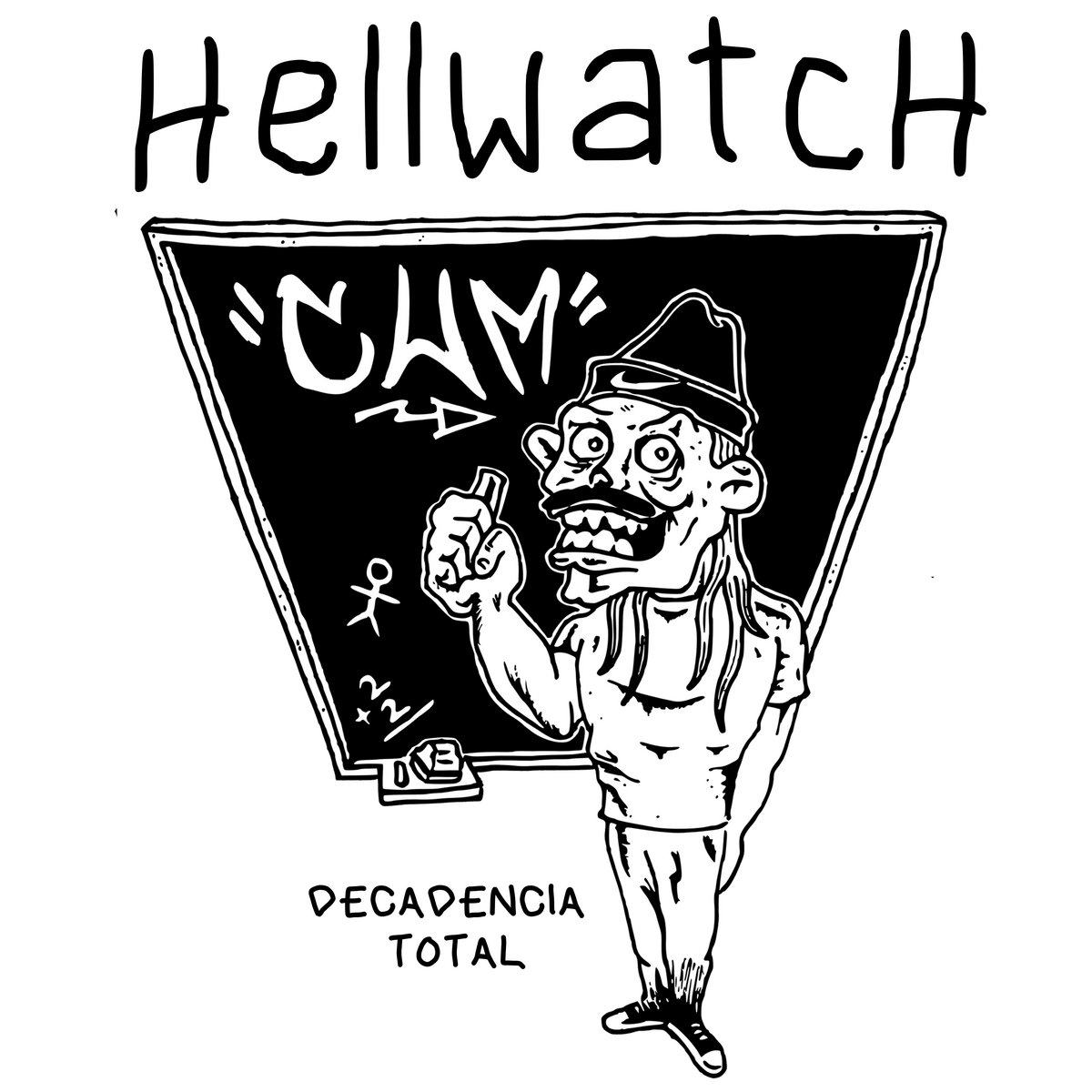
For European acts in similar genres, these touring announcements represent both opportunity and competition. Bands like Hellwatch, whose groove metal approach shares DNA with Sevendust's sound, can study these touring strategies while potentially securing support slots or festival appearances alongside these established acts.
Judas Priest Documentary Reveals Band Dynamics Behind Metal's Greatest Legends
Rob Halford's recent comments to Germany's Metal Hammer about "The Ballad Of Judas Priest" documentary provide fascinating insights into how metal's founding fathers navigate complex personal relationships spanning five decades. His assertion that "the love and respect" between him and former guitarist K.K. Downing remains intact despite professional separation offers a masterclass in maintaining dignity within band politics.
This revelation comes at a time when other veteran acts face explosive internal conflicts. The contrast between Judas Priest's mature approach to former member relationships and the toxic dynamics reported elsewhere in metal demonstrates how legendary status doesn't automatically confer professional wisdom. European metal acts, particularly those building long-term careers, can learn valuable lessons from how Priest has managed to preserve personal relationships while navigating business disagreements.
The documentary's focus on a 50-plus-year history also highlights metal's increasing cultural legitimacy. When major publications devote resources to chronicling metal band histories, it signals the genre's transition from underground movement to recognized cultural force—a development that benefits all European metal acts seeking broader recognition.
Creative Renaissance Sweeps Through Metal's Veteran Ranks
ZP Theart's return with new single "Electric Beings" demonstrates how power metal veterans are leveraging their established reputations to explore new creative territories. The former Dragonforce and Skid Row vocalist's solo work, following his successful "Dark To Light" debut and 20th-anniversary Dragonforce reimaginings, proves that experienced metal artists can maintain relevance through strategic creative evolution.
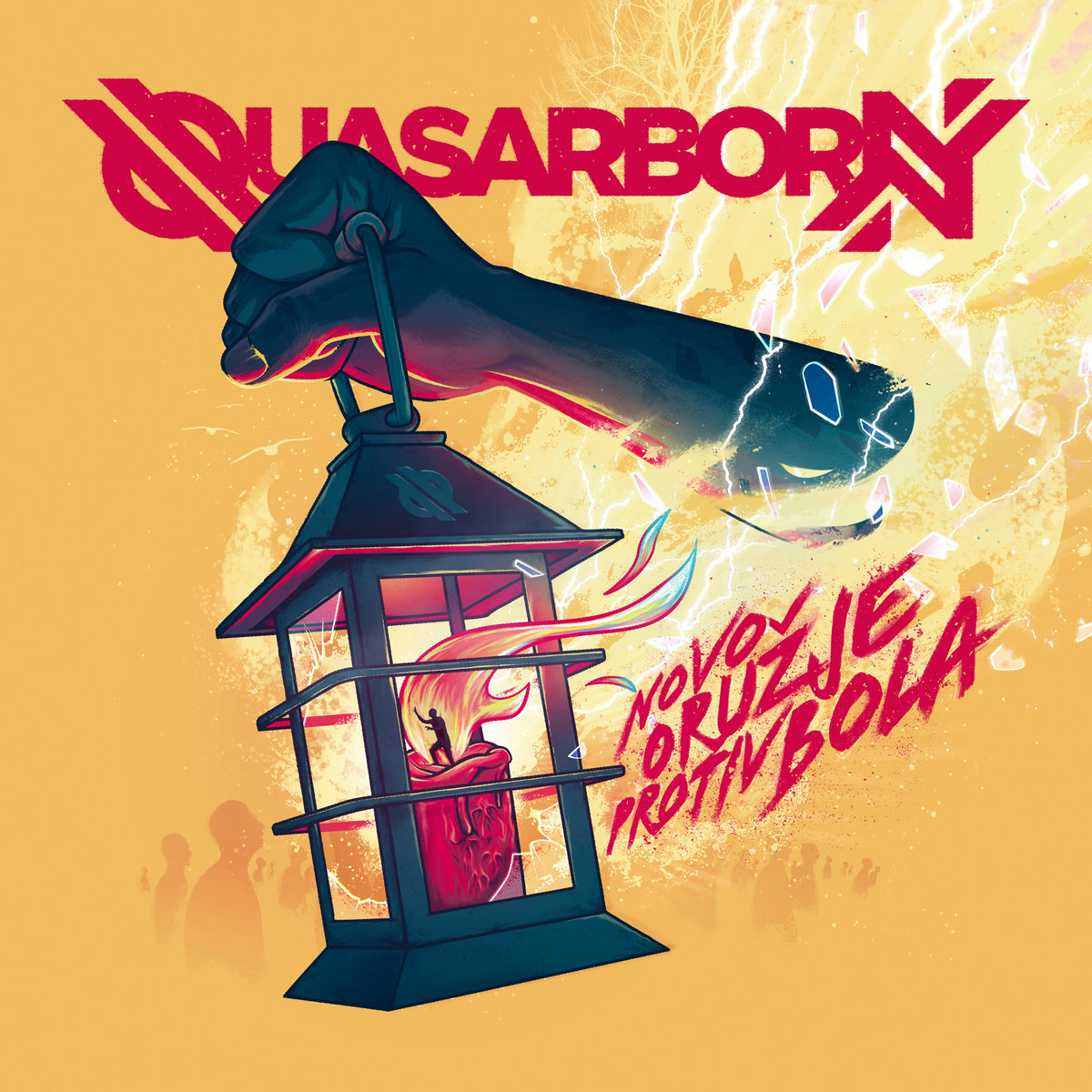
This creative momentum extends to progressive metal territories, where Nevermore's Jeff Loomis has confirmed new material arriving in early 2027. The band's recent Istanbul performance marked their live debut with a new lineup, suggesting that even temporarily dormant legendary acts can successfully rebuild with fresh personnel. For European progressive metal acts like Garden Wall and Quasarborn, these developments demonstrate viable paths for career longevity and creative renewal.

Meanwhile, Enter Shikari's surprise album "Lose Your Self" represents a bold statement about artistic presentation in the streaming era. By encouraging complete album consumption rather than track-by-track streaming, the UK act challenges prevailing industry wisdom about content delivery. Their approach—"we simply present it all, for the listener to immerse themselves in"—could influence how European metal acts structure their own releases.
Visual Innovation Meets Metal's Storytelling Traditions
Soulfly's collaboration with Creeptoons for their animated "Favela/Dystopia" music video represents metal's growing embrace of diverse visual mediums. Animation partnerships allow metal acts to realize ambitious conceptual visions without massive production budgets, creating opportunities for European bands to explore similar collaborative approaches.
The trend toward animated metal videos also reflects the genre's increasing sophistication in addressing complex social and political themes. Soulfly's "Favela/Dystopia" pairing suggests deep engagement with urban decay and social inequality—topics that resonate across international metal scenes, including Europe's diverse cultural landscape.
This visual innovation complements the broader creative experimentation evident in acts like Travis Sedg Bacon's "industrial blues" exploration in his solo single "Dopamine." When musicians from established acts like Black Anvil and Contracult Collective branch into hybrid genres, it signals metal's ongoing genre boundary dissolution.
Cross-Generational Collaborations Signal Genre Unity
Max Cavalera's appearance on Atreyu's "Children Of Light" represents more than just a featured guest spot—it's a bridge between metal generations that validates both artists' creative approaches. These collaborations demonstrate how established metal legends can support younger acts while exploring new creative contexts themselves.
For European metal scenes, such cross-generational partnerships offer templates for building stronger community connections. When Sepultura alumni collaborate with contemporary metalcore acts, it suggests possibilities for European metal veterans to similarly support emerging Continental talent.
Industry Disruption Creates New Opportunities
The recent upheaval in established acts—from drummer departures to toxic band dynamics—creates space for emerging European metal acts to establish themselves. When veteran bands face internal collapse, touring slots open up, festival opportunities emerge, and fan attention shifts toward discovering new favorites.
Jay Weinberg's reflections on his Slipknot departure, where he suggests becoming "a scapegoat for certain things," reveal the complex dynamics within major metal acts. These revelations humanize metal's biggest names while demonstrating that professional challenges exist at every career level.
For European metal acts monitoring these developments, the lesson is clear: professional conduct, creative consistency, and positive band dynamics become increasingly valuable as the industry matures. The submit your band process for European Metal Index reflects this reality—sustainable metal careers require both artistic merit and professional reliability.
As summer touring season approaches and veteran acts navigate creative renewal alongside industry disruption, European metal stands positioned to benefit from increased international attention while learning from both the successes and failures of established acts. The Continental metal scene's diversity and infrastructure make it an ideal environment for capitalizing on these broader industry trends.